AI Data Centers Are Reshaping Rural Land Values and Sparking Backlash
The AI-fueled data center boom is driving rural land prices higher, splitting farming communities between those cashing in and those pushing back.
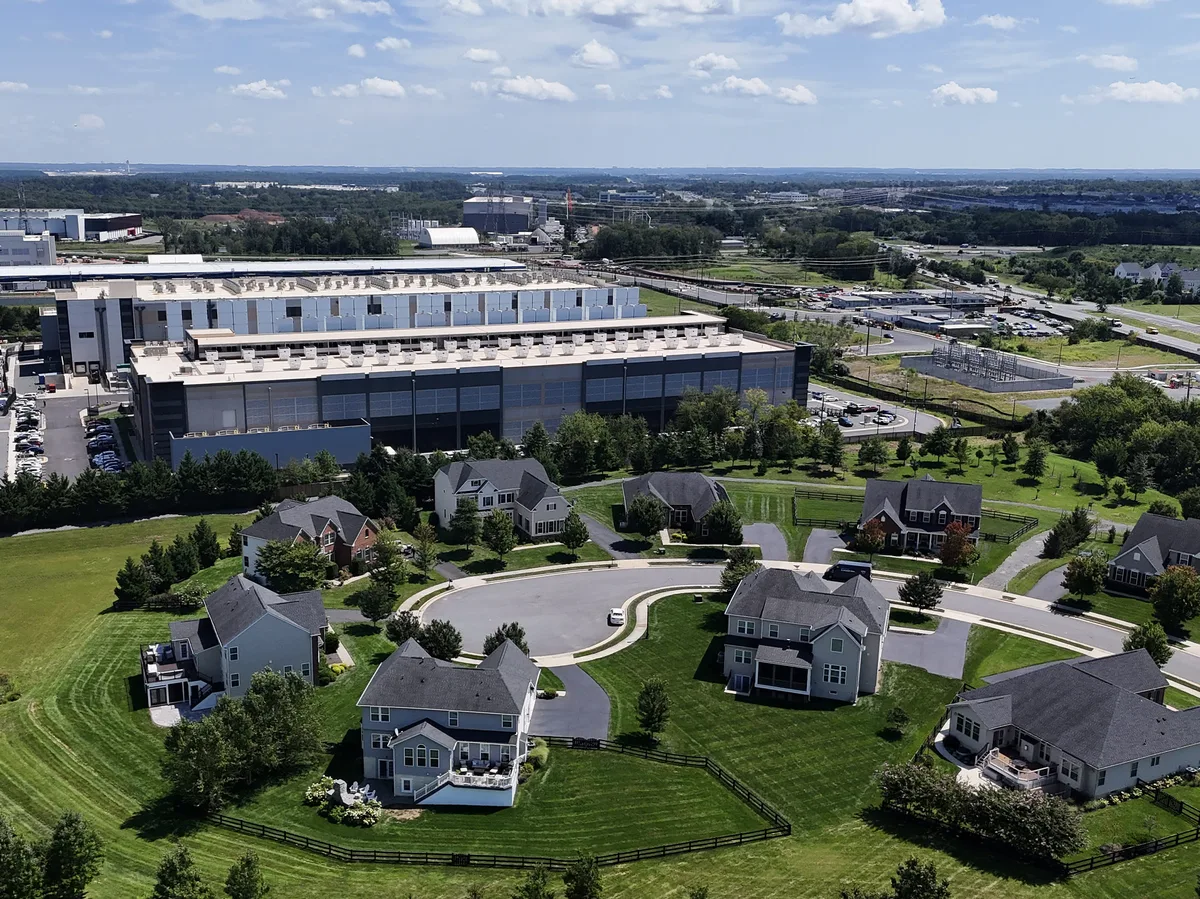
The accelerating demand for artificial intelligence infrastructure is quietly rewriting the economics of rural America. As technology companies race to build data centers capable of supporting vast AI workloads, they are increasingly turning to farmland and open countryside — areas that offer the space, relatively affordable acreage, and power access that dense urban zones cannot. The result is a land market undergoing rapid and uneven transformation.
For some farmers and rural property owners, the data center wave represents a rare financial windfall. Offers for land that might otherwise generate modest agricultural returns can multiply dramatically when a hyperscaler or colocation developer comes knocking. Those who sell or lease stand to gain generational wealth in transactions that would have seemed implausible a decade ago. In that sense, the buildout is functioning as an unexpected economic stimulus in communities that have long struggled with declining populations and shrinking farm incomes.
Read more Inflation Outpaces Wage Growth Again, Eroding Real Pay →
Yet not everyone in these communities views the shift as a blessing. A growing backlash has emerged among residents and local officials who worry about the character and long-term viability of rural areas absorbing industrial-scale computing infrastructure. Concerns range from strain on local power grids and water supplies — data centers consume both in significant quantities — to the loss of agricultural land that once anchored regional food systems and cultural identity. Zoning fights and public hearings have become increasingly common as communities try to exert control over development moving faster than local governance can accommodate.
The tension reflects a broader pattern visible in every major technology buildout: economic benefits tend to concentrate among landowners and investors while costs — noise, congestion, environmental pressure — are distributed more widely across communities. Rural jurisdictions, often lacking the legal and planning resources of larger municipalities, can find themselves particularly ill-equipped to negotiate favorable terms or impose meaningful conditions on development. How individual counties and states respond to this pressure in the coming years will likely shape both the geography of AI infrastructure and the future of rural land policy across the United States.
Continue reading at US Top News and Analysis.