America's Social Contract Is Fraying — Here's Why It Matters
A growing chorus of voices argues the promises underlying American civic life are eroding. What does that mean for democracy's future?
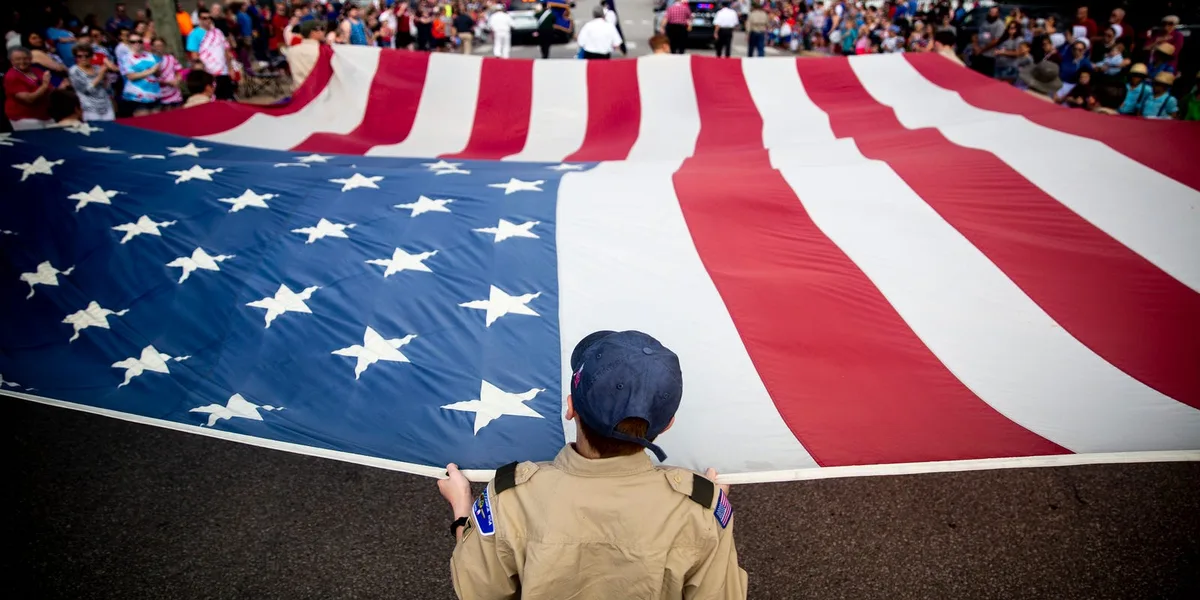
The concept of a social contract — the implicit agreement between citizens and their government about rights, responsibilities, and mutual obligations — has long been a cornerstone of American political thought. From the founding generation's revolutionary ideals to the New Deal's expansion of the safety net, each era has renegotiated the terms of that contract. Today, a mounting body of opinion suggests those terms are breaking down in ways that go beyond ordinary political disagreement.
The tension is not simply partisan. Across ideological lines, Americans are registering a shared sense that institutions once trusted to mediate disputes and deliver on basic promises — stable employment, accessible healthcare, fair courts, functional government — are falling short. When institutions fail to deliver, trust erodes, and the social contract loses its binding force. That erosion, historians and political theorists have warned, is precisely the condition that precedes deeper instability.
Read more Iran's President Vows No Surrender to US as India Calls for Peace →
What makes the current moment distinctive, analysts argue, is the convergence of several stresses at once: economic inequality that has widened over decades, political polarization that makes compromise structurally difficult, and a media environment that rewards conflict over resolution. Each of these forces compounds the others, creating a feedback loop that is difficult to interrupt through ordinary legislative or electoral means.
The invocation of "revolution" in this context is deliberate and sobering. The original American Revolution was itself a response to a perceived violation of the social contract — a ruling authority that colonists believed had broken faith with its obligations. Whether today's unraveling rises to that historic register is a question serious commentators are beginning to ask openly, rather than treat as hyperbole.
Understanding what holds societies together — and what causes them to fracture — is not an academic exercise. It is a practical question with consequences for every aspect of civic and economic life. Continue reading at desmoinesregister (bruce lundy butler).