CMMC Rules Are Revealing Cybersecurity Gaps in Defense Supply Chain
The Pentagon's new cybersecurity certification framework is surfacing long-hidden vulnerabilities among defense contractors and their suppliers.
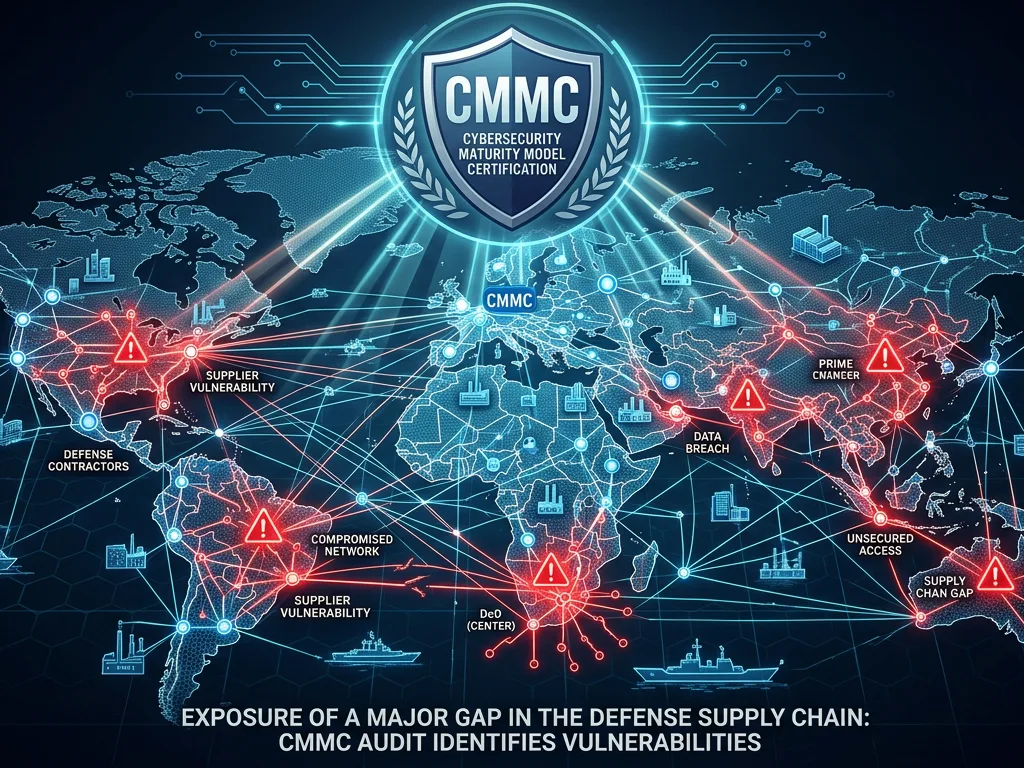
The Department of Defense's Cybersecurity Maturity Model Certification program — known as CMMC — is doing exactly what its architects intended: forcing transparency. As the compliance deadline framework moves closer to full enforcement, it is becoming increasingly clear that a significant portion of the defense industrial base has been operating with cybersecurity postures that fall well short of the standards required to protect sensitive federal information.
The core issue lies not with the prime contractors — the Lockheed Martins and Raytheons of the world — but with the sprawling network of smaller subcontractors and suppliers that underpin defense procurement. These firms often lack the internal IT resources, budget, or institutional knowledge to meet CMMC's tiered requirements, which range from basic cyber hygiene at Level 1 to advanced practices designed to protect controlled unclassified information at higher levels. The certification requirement flows down through contracts, meaning a prime contractor is only as secure as its weakest supplier link.
Read more No Verifiable Content Found in Cited News Source →
What CMMC is exposing, in effect, is a systemic assumption that has persisted for years: that smaller vendors in the defense supply chain were "probably fine" from a security standpoint. That assumption is now being stress-tested by formal third-party assessments, and early indications suggest many organizations are unprepared. The gap between where these companies are and where they need to be is not merely technical — it is organizational, financial, and cultural.
The policy implications are significant. If too many suppliers fail to achieve certification, the Pentagon risks shrinking its own contractor base at a time when defense production capacity is already a national security concern. Conversely, waiving or delaying requirements to preserve supply chain breadth would undermine the very security posture CMMC was designed to enforce. Defense procurement officials face a genuine dilemma with no easy resolution.
For the broader business community, CMMC serves as a leading indicator of where federal cybersecurity regulation is heading — toward mandatory, auditable, third-party-verified compliance rather than self-attestation. Companies that treat this as a checkbox exercise rather than a genuine security investment are likely to find themselves squeezed out of federal contracting opportunities in the years ahead. Continue reading at itsecuritynews_info.