Global Leaders Back US-Iran Deal, Eye Sanctions Relief and Hormuz
World leaders are welcoming a new US-Iran agreement, with Europe signaling sanctions relief and pressing for the Strait of Hormuz to reopen.
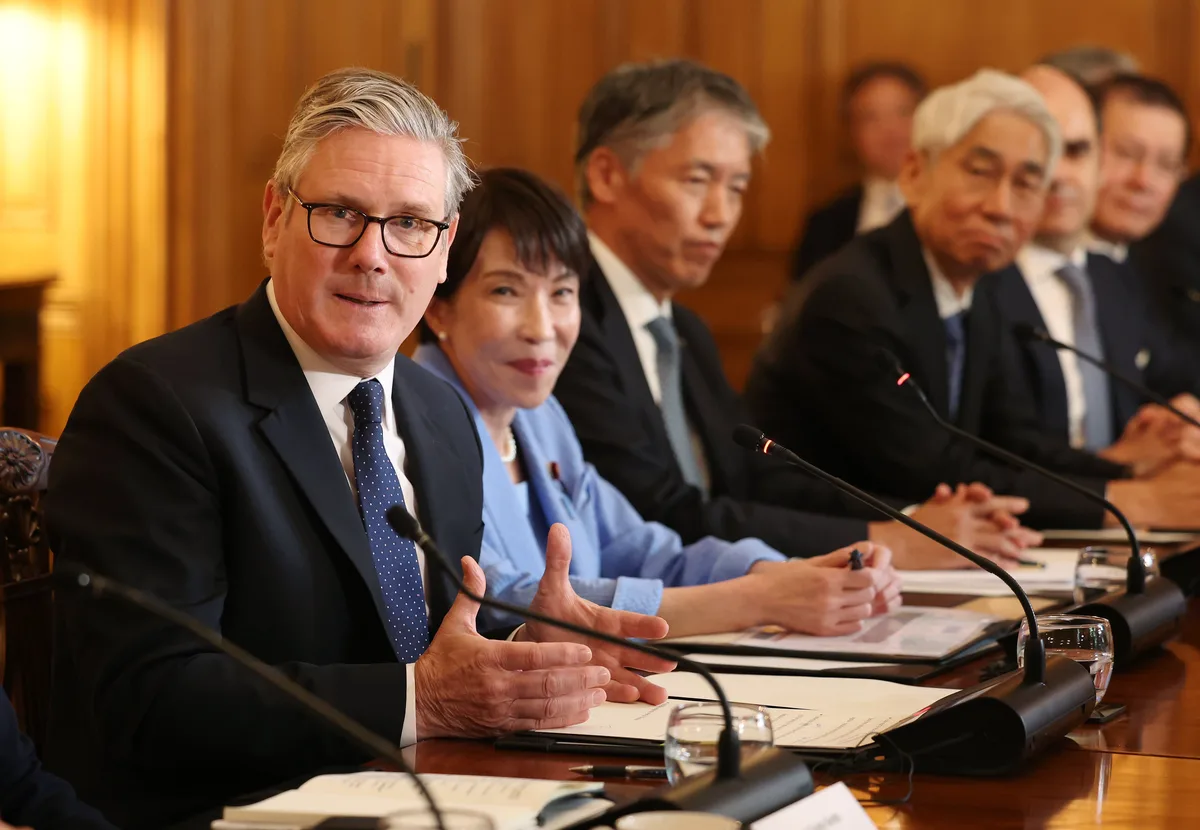
A diplomatic breakthrough between the United States and Iran is drawing broad international support, capping more than three months of fitful negotiations punctuated by periodic outbreaks of hostilities that began in late February. The drawn-out process kept global energy and commodities markets on edge, as traders priced in the risks of supply disruptions and geopolitical escalation at every stumble in the talks.
European governments appear particularly eager to move forward, signaling openness to easing sanctions as part of a broader normalization effort. That posture reflects both economic self-interest — European industries remain sensitive to energy price volatility — and a strategic desire to reassert diplomatic relevance in a negotiation long dominated by Washington and Tehran's bilateral dynamic.
Read more No Verifiable Content Found in Cited News Source →
Perhaps the most consequential near-term demand coming from international partners is the call to reopen the Strait of Hormuz. The waterway is a critical chokepoint for global oil flows, and any prolonged disruption there reverberates across energy markets worldwide. The fact that world leaders are explicitly naming Hormuz in their statements signals that the maritime dimension of this deal is seen as inseparable from its economic and security implications.
The agreement's durability will likely depend on how quickly tangible steps — sanctions rollback, verifiable compliance, and restored shipping lanes — can be sequenced and implemented. History suggests that the gap between a diplomatic announcement and meaningful on-the-ground change in US-Iran relations can be wide, making international pressure for swift action both understandable and strategically important.
Continue reading at US Top News and Analysis