GM Bets on U.S. Battery Supply Chain Amid China Trade Tensions
General Motors is pursuing domestic battery development as the Trump administration scrutinizes automakers' ties to Chinese supply chains.
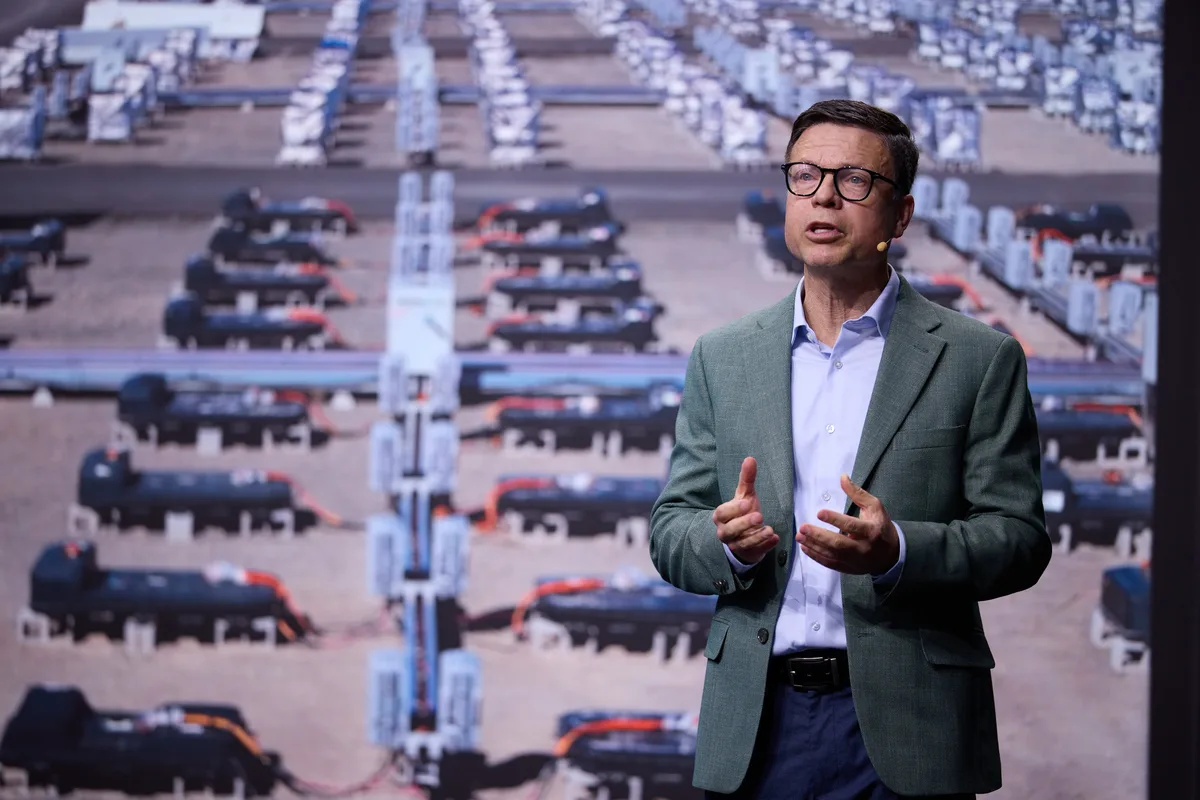
General Motors is moving to build American battery supply chains for both electric vehicles and energy storage systems, a strategic pivot that arrives at a politically charged moment for the U.S. auto industry. The company's push comes as the Trump administration's Department of Transportation has drawn attention to rival Ford's connections to Chinese battery technology — a signal that Washington is increasingly willing to make supply chain origins a matter of federal scrutiny.
The timing is not coincidental. Most battery cells sold globally today depend heavily on raw materials sourced from China, giving Beijing significant leverage over an industry that Washington has identified as critical to national security and economic competitiveness. For automakers operating in the U.S. market, the pressure to demonstrate independence from Chinese inputs is rapidly shifting from a reputational concern to a regulatory one.
Read more GM Pursues U.S. Battery Development Amid China Supply Chain Tensions →
GM's effort to localize its battery supply chain represents a long-term industrial wager — one that assumes domestic sourcing, though more expensive in the near term, will become a competitive and compliance advantage as trade policy tightens. The company appears to be positioning itself ahead of potential mandates or incentives that could reward manufacturers who can prove their batteries were developed and sourced on American soil.
The contrast between GM and Ford is emerging as a proxy battle over what it means to be an "American" automaker in the EV era. The Trump DOT's criticism of Ford underscores how quickly geopolitical fault lines can become commercial liabilities. For the broader industry, the message is clear: supply chain geography is no longer a logistics question — it is a political one. Companies that fail to account for that reality risk finding themselves on the wrong side of federal policy at a critical inflection point for vehicle electrification.
Continue reading at US Top News and Analysis.