
Hamas Conditions Disarmament on Israel Meeting Ceasefire Terms
Hamas says it will lay down arms only if Israel honors prior ceasefire commitments, complicating Trump's claim of a breakthrough Gaza deal.
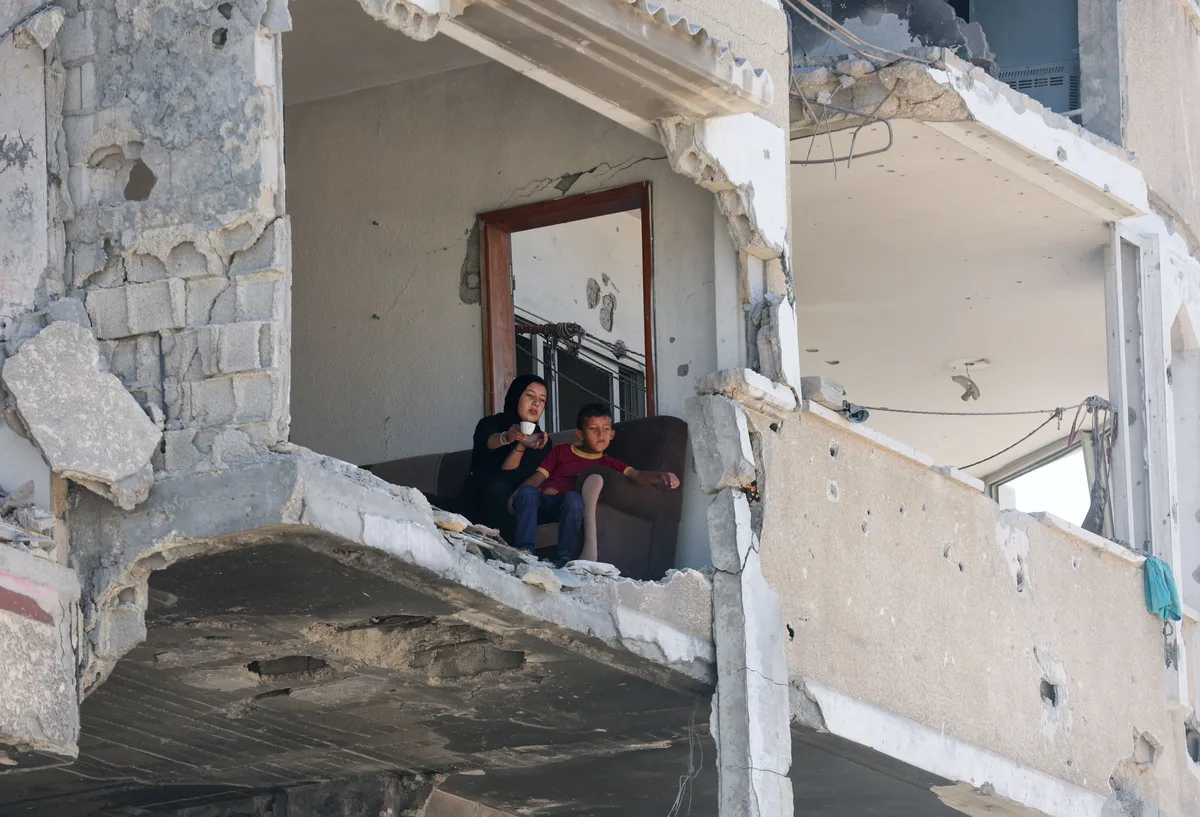
President Trump announced what he described as a significant U.S.-brokered agreement involving Hamas disarmament in Gaza, but the militant group is pushing back sharply on how that deal has been characterized. Hamas made clear that any discussion of giving up its weapons is contingent on Israel first fulfilling obligations already agreed upon in earlier ceasefire arrangements — a condition that immediately clouds the picture Trump painted of a diplomatic win.
The disconnect between the White House's framing and Hamas's public response illustrates a pattern that has complicated Middle East negotiations for decades: the gap between what mediators announce and what parties on the ground actually accept. When a brokered deal is presented as a fait accompli before all sides have confirmed the same terms, it risks unraveling before implementation even begins.
For Trump, who has staked political capital on resolving the Gaza conflict through direct dealmaking, Hamas's rebuttal represents more than a semantic dispute. It signals that the sequencing of any disarmament process remains deeply contested. Hamas is effectively arguing that Israel must demonstrate good faith first — an approach that places the burden of proof on the Israeli side and gives Hamas leverage to delay or reject disarmament indefinitely if it deems commitments unmet.
The broader stakes extend beyond this single announcement. A durable resolution to the Gaza war requires not only a ceasefire but a credible framework for post-conflict governance and security guarantees that all parties find acceptable. Whether the Trump administration can bridge the gap between its optimistic public declarations and the harder diplomatic realities on the ground remains the central open question. Continue reading at US Top News and Analysis.