Iran Nuclear Deal Hangs in Balance Amid Israel-Lebanon Strikes
A U.S.-Iran agreement expected to be signed this week faces uncertainty as Israeli strikes on Lebanon complicate diplomacy and draw a Trump warning.
A fragile diplomatic breakthrough between Washington and Tehran is now in serious jeopardy, with an initial agreement that was expected to be finalized this week thrown into question by renewed Israeli military strikes on Lebanon. The timing represents a critical inflection point: the deal was designed not only to address Iran's nuclear program but also to reopen the Strait of Hormuz, a vital chokepoint for global oil flows whose closure has been a source of acute anxiety for energy markets.
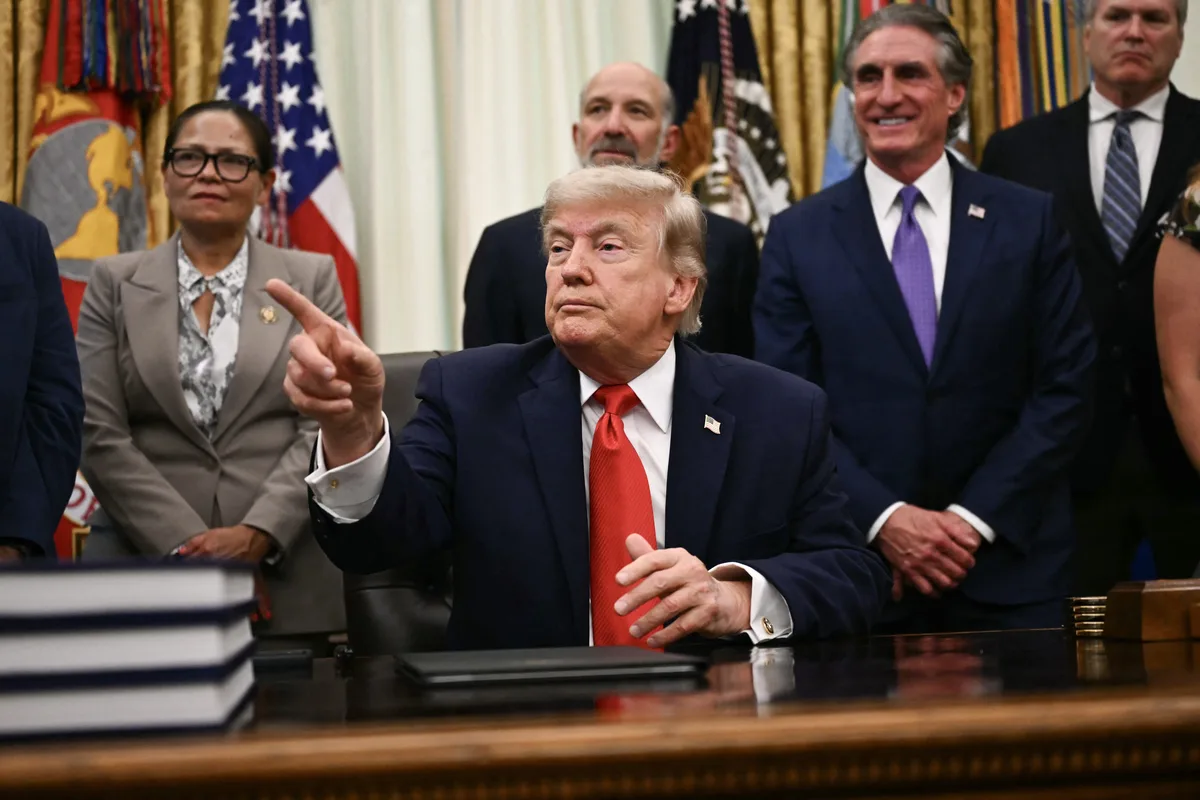
President Trump publicly warned parties against squandering the moment, cautioning that they should not "blow it" — language that signals both the White House's investment in the agreement and its frustration with escalating regional violence. The warning reflects a broader pattern in Trump-era foreign policy: high-stakes personal diplomacy that can accelerate breakthroughs but also remains vulnerable to events outside Washington's direct control.
Read more No Verifiable Content Found in Cited News Source →
Israeli military action in Lebanon introduces a deeply complicating variable. Iran and Hezbollah maintain close strategic ties, meaning strikes on Lebanese soil carry direct implications for Tehran's willingness — or domestic political ability — to proceed with any normalization gesture toward the United States. For Iranian leadership, signing a deal with Washington while an ally absorbs Israeli bombardment would expose them to charges of abandonment at home.
The Strait of Hormuz dimension is what makes the economic stakes so unusually high. Roughly 20 percent of the world's traded oil transits the waterway, and any agreement that formally reopened it under internationally recognized terms would represent an immediate stabilizing signal to energy markets still navigating post-pandemic volatility and Russia-Ukraine supply disruptions. A collapse of negotiations would likely have the opposite effect.
Whether the deal can survive the current flare-up depends largely on whether Israeli operations expand or pause, and on whether back-channel communications between U.S. and Iranian negotiators remain intact. Continue reading at US Top News and Analysis.