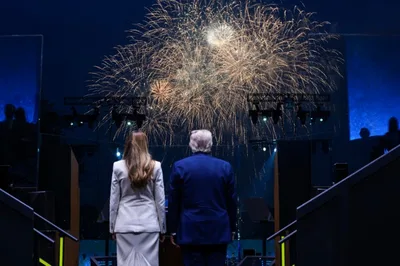
Iran Vows Retaliation After Israel Hits Beirut, Defying Trump
Israel struck Beirut as Trump-brokered peace talks neared a deal, prompting a furious White House rebuke and Iran's rejection of a U.S. restraint offer.
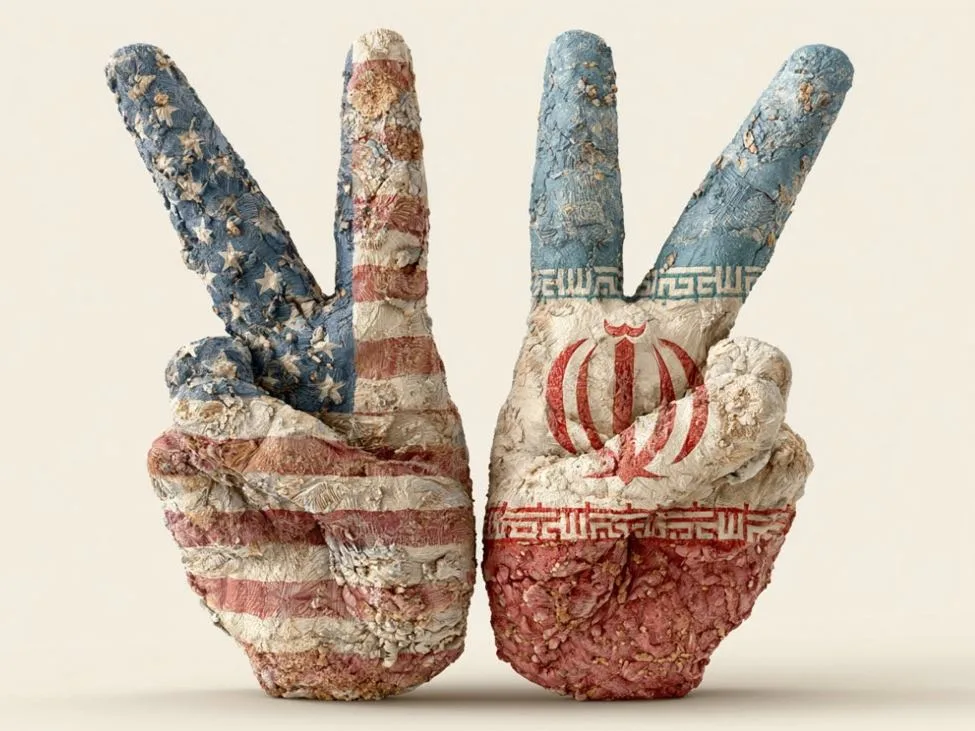
Israel's fresh strikes on Beirut have fractured what U.S. President Donald Trump described as an imminent regional peace deal, triggering a rare public rebuke from Washington and an accelerating threat of retaliation from Tehran. The sequence of events represents one of the most volatile breakdowns in U.S.-Israel-Iran diplomacy in recent memory, collapsing in real time across a single news cycle.
Trump reportedly contacted Prime Minister Benjamin Netanyahu directly and in sharp terms following the strike, expressing disbelief at its timing. The president then took the unusual step of posting publicly on Truth Social, stating explicitly that the attack should not have happened and that a deal bringing peace to the region had been within reach. His call for all sides to stand down carried the unmistakable weight of a president watching a diplomatic achievement slip away.
Read more No Verifiable Content Found in Cited News Source →
Iran's Supreme National Security Council responded within hours, invoking language of religious obligation and declaring Lebanon central to the Islamic Republic's strategic identity. The council framed any forthcoming response not as retaliation but as duty — a rhetorical escalation that signals Tehran is not leaving itself a face-saving off-ramp. Iranian state television subsequently warned that Israel would face heavy bombardment, raising the immediate threat level considerably.
Washington had been working to prevent precisely this dynamic. The U.S. reportedly extended an offer of economic incentives to Iran in exchange for restraint, a sign the administration viewed Tehran's posture as the essential variable in any durable settlement. Iran rejected the offer outright, undercutting the Biden-era assumption that economic pressure alone can shape Iranian decision-making and complicating Trump's preferred dealmaking framework.
The convergence of an Israeli military action, a presidential rebuke, and an Iranian threat leaves the region at its most precarious inflection point in months. Whether Netanyahu acted to preempt an Iranian move, to complicate Geneva-track diplomacy, or on independent military intelligence remains unclear — but the effect has been to harden Tehran's posture at exactly the moment Washington needed maximum flexibility. The window Trump described as nearly open may now be considerably narrower. Continue reading at Forexlive.