Microsoft Surges While Meta Tumbles as AI Bets Diverge
Contrasting earnings results reveal a widening split in how Big Tech's AI investments are paying off for investors.
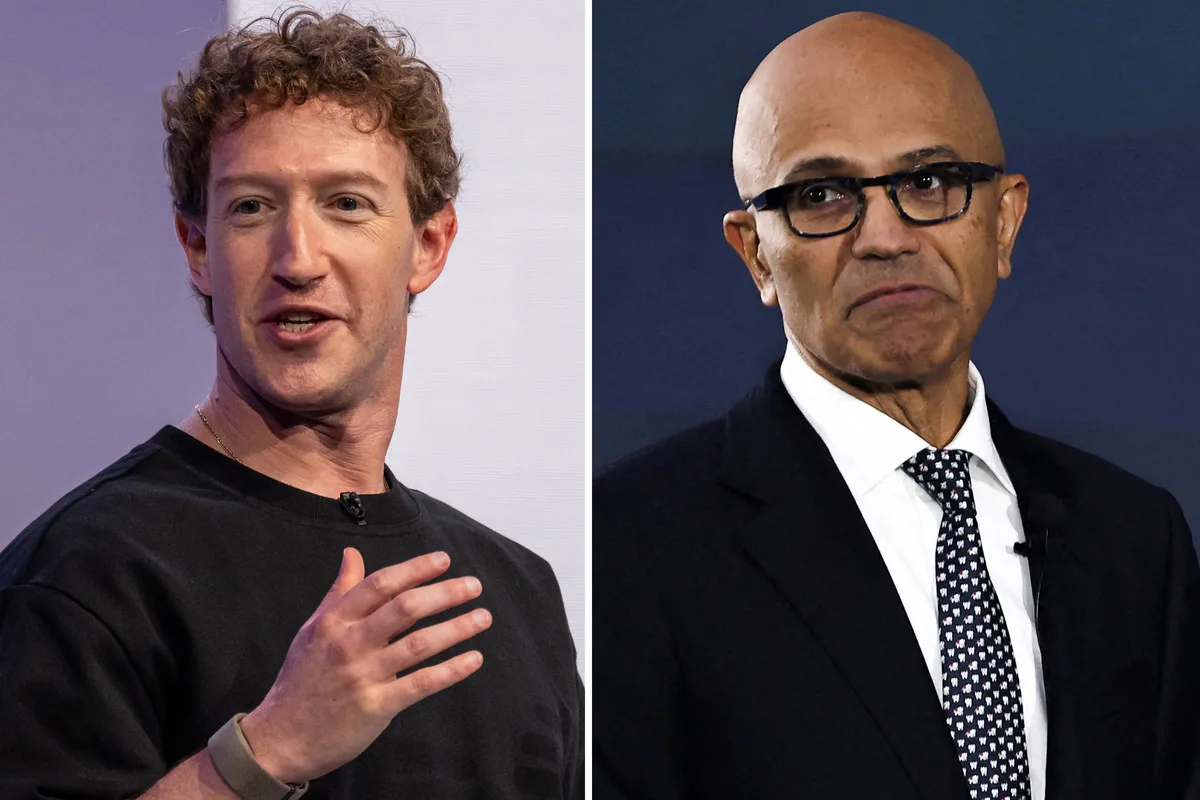
The gap between AI winners and laggards widened sharply this week as Microsoft and Meta delivered starkly different earnings signals, sending their stocks in opposite directions and forcing investors to reconsider which tech giants are best positioned to monetize artificial intelligence.
Microsoft emerged as the clear beneficiary, with its shares jumping 15% after the company reported strong growth in Azure cloud services and its Copilot AI product lineup. The results suggested that Microsoft's deep integration of AI tools into enterprise software is translating into measurable revenue gains — a meaningful distinction at a moment when Wall Street has grown impatient with AI spending that hasn't yet shown returns.
Read more Rivian Cuts 2026 Spending and Tightens Loss Forecast After Q2 →
Meta told a different story. The social media giant's stock sank roughly 8%, extending what has become a record losing streak, after revenue came in below guidance forecasts. Compounding the disappointment, free cash flow dropped sharply — a signal that the company's aggressive AI infrastructure buildout is consuming capital faster than it is generating returns. For investors already scrutinizing how much Meta is spending on data centers and AI models, the cash flow decline was difficult to ignore.
The divergence carries broader implications for the technology sector. It underscores that "AI trade" is not a monolithic bet — execution, product integration, and the timeline to monetization vary enormously across companies. Microsoft has managed to embed AI functionality into products that businesses already pay for, creating a relatively clear upgrade path. Meta, by contrast, is still working to demonstrate that its AI investments will translate into advertising revenue or new consumer products that move the financial needle.
The contrasting results arrive as analysts and fund managers are actively sorting tech holdings by AI credibility, meaning that earnings misses now carry an extra penalty when they occur against a backdrop of heavy capital expenditure. Continue reading at US Top News and Analysis.