Norway's $2.3 Trillion Wealth Fund CEO Warns of Tougher Returns Ahead
The world's largest sovereign wealth fund cautions investors not to expect a repeat of its record first-half performance as conditions grow more challenging.
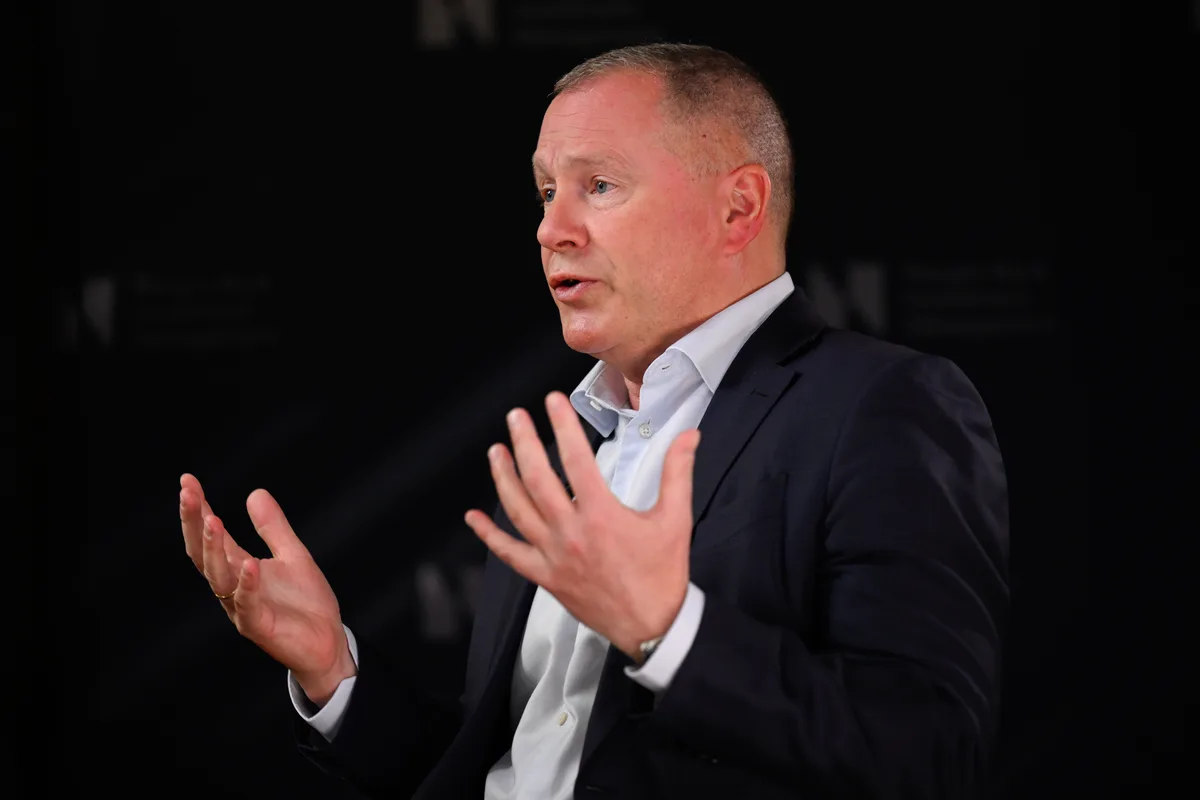
The chief executive of Norway's Government Pension Fund Global, the world's largest sovereign wealth fund at $2.3 trillion in assets, is tempering expectations after what the fund described as a record first half of the year. The warning is notable precisely because of who is delivering it: a fund of this scale, holding stakes in roughly 1.5% of every listed company on the planet, functions as one of the broadest barometers of global equity health available to any analyst or policymaker.
When a fund with that level of market exposure signals caution, it carries a different weight than a typical asset manager hedging its quarterly commentary. The CEO's message — that blowout returns should not be taken as the new baseline — reflects a broader institutional reckoning with the conditions that drove equity markets higher in the first place, conditions that are unlikely to persist indefinitely.
Read more Intel CEO's Stock Purchase Reinforces Insider Confidence Signal →
Sovereign wealth funds operate on generational time horizons, meaning their leadership tends to communicate with unusual candor about structural risk rather than short-term noise. A warning framed around "tougher times ahead" from that vantage point suggests the fund's internal modeling sees meaningful headwinds — whether from valuation compression, geopolitical friction, or the lagged effects of monetary tightening — rather than a simple quarter-to-quarter blip.
For retail and institutional investors alike, the signal is worth internalizing. Markets that delivered outsized gains in a compressed window often require an extended period of digestion. Norway's fund, by virtue of its near-universal equity exposure, cannot rotate defensively the way a smaller manager might — making its leadership's public guidance all the more candid and, arguably, all the more credible.
Continue reading at US Top News and Analysis.