Philadelphia's July 4, 1776 Weather Versus Today's Climate
What was the weather like when the Founders signed the Declaration? A look at how that historic day's conditions compare to modern Philadelphia summers.
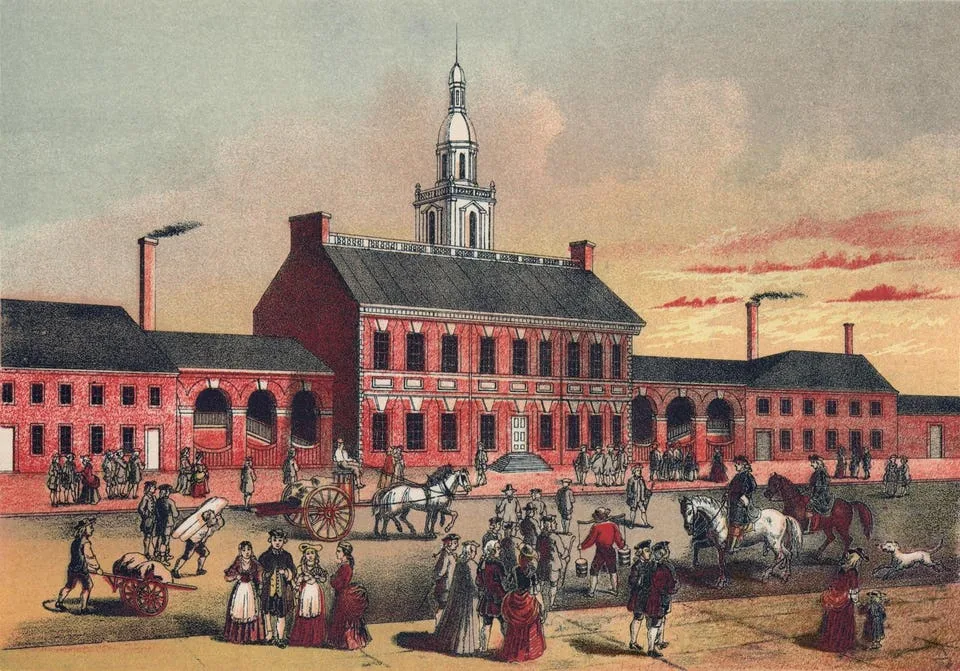
Every Fourth of July, Americans celebrate independence with fireworks and outdoor gatherings, rarely pausing to consider what the weather felt like on the original July 4, 1776, in Philadelphia. Historical weather records and climate science, however, offer a surprisingly revealing lens through which to examine that founding moment — and what has changed in the roughly 250 years since.
Philadelphia in July sits in a humid mid-Atlantic climate zone, where summer heat and afternoon thunderstorms are routine. In the late 18th century, the city's temperatures would have been shaped by the same regional geography — the Delaware Valley, proximity to the Atlantic — but without the compounding effect of urban heat islands and the long-term warming trend that scientists have documented across the industrial era. The difference between then and now is not merely academic; it reflects measurable shifts in baseline temperatures that affect how cities experience summer.
Read more Inflation Outpaces Wage Growth Again, Eroding Real Pay →
The broader analytical point is one climate scientists frequently make: individual weather events are not climate, but patterns across decades tell a coherent story. When a meteorologist like Marshall Shepherd examines a single historic date, the exercise is less about nostalgia and more about illustrating the trajectory of change. Philadelphia, like most major American cities, has seen its average summer temperatures rise, its extreme heat days become more frequent, and its nighttime low temperatures climb — a signature fingerprint of greenhouse-driven warming.
For historians and climate communicators alike, anchoring data to iconic cultural moments — the signing of the Declaration of Independence — is an effective way to make abstract trends tangible. The Founders deliberating in Independence Hall would have had no frame of reference for the Philadelphia summers that residents now endure, nor for the air conditioning that makes modern July gatherings survivable indoors. That contrast alone speaks to the scale of environmental change across American history.
Continue reading at forbes (marshall shepherd) for the full meteorological breakdown and historical temperature data behind this comparison.