Semtech's 224G Optical Chips Deepen Its AI Data Center Foothold
Semtech is advancing its position in AI infrastructure with 224G optical interconnect chips, targeting the surging bandwidth demands of modern data centers.
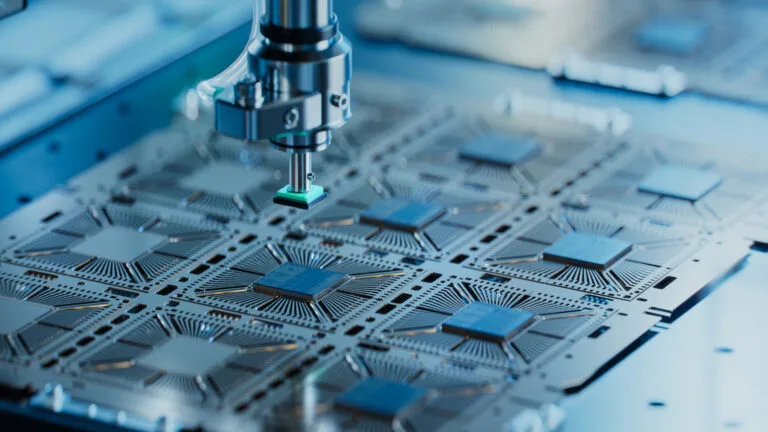
As artificial intelligence workloads continue to scale at a pace that strains conventional networking architectures, the semiconductor companies enabling high-speed data movement inside data centers are becoming increasingly consequential. Semtech, a chipmaker best known historically for its LoRa wireless technology, is positioning itself at that critical junction with its 224G optical interconnect chips — devices designed to move data between servers and accelerators at speeds that match the appetite of large language models and GPU clusters.
The significance of 224G technology lies in what it unlocks architecturally. Traditional copper interconnects face hard physical limits at the distances and speeds modern AI infrastructure demands. Optical solutions at 224 gigabits per second per lane allow data centers to sustain the low-latency, high-throughput communications that make dense GPU configurations practical. For hyperscalers and cloud providers building out AI capacity, that distinction is not a minor technical footnote — it is a procurement decision that shapes total system efficiency and, ultimately, operating economics.
Read more NexMetals Mining Insider Boosts Stake by 21 Percent →
Semtech's push into this segment reflects a broader industry recognition that the AI buildout is not solely a story about Nvidia GPUs or custom accelerators. The interconnect layer — the photonic and electronic glue binding those accelerators together — is itself a competitive battleground. Companies that secure design wins at the optical chip level can embed themselves durably in supply chains that take years to displace, making early momentum in 224G particularly strategically valuable.
For investors evaluating Semtech, the optical interconnect opportunity represents a meaningful diversification away from the company's traditional end markets. Whether the 224G product line translates into material revenue growth will depend on the pace of hyperscaler capital expenditure and Semtech's ability to compete against entrenched optical semiconductor rivals. The structural tailwind, however, is clear: data center bandwidth requirements show no sign of plateauing as AI model complexity continues to compound.
Continue reading at Yahoo Finance.