Social Security Overpayment Disputes: What Beneficiaries Can Do
A beneficiary contests an SSA overpayment claim over a year-attribution error. Here's what recourse looks like.
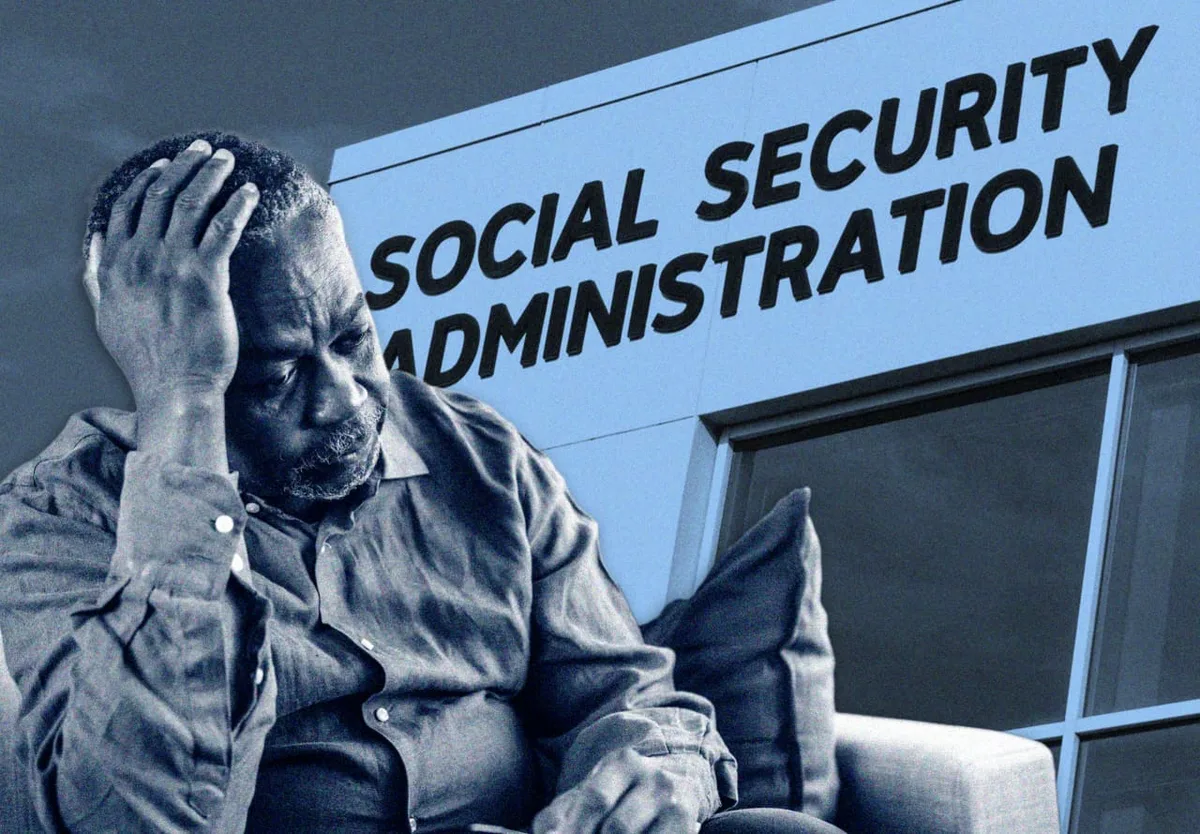
A Social Security recipient is challenging an agency determination that they were overpaid across seven years — a dispute rooted in what appears to be a straightforward data mismatch. The Social Security Administration recorded earnings of roughly $43,000 in 2019, but the beneficiary says that income was actually earned in 2020. That single-year discrepancy, if unresolved, could trigger benefit reductions or outright clawbacks.
Overpayment cases like this one have become an increasingly visible pressure point for millions of Americans who rely on Social Security. The SSA has broad authority to recover funds it determines were paid in error, and it can do so by reducing future monthly benefits — sometimes dramatically — even while a dispute is pending. That asymmetry of power makes it critical for beneficiaries to act quickly and precisely when they believe the agency has made a mistake.
Read more Paying a Restaurant Tab for Strangers: What Could Go Wrong →
The core of a successful challenge typically involves documentation: tax returns, W-2s, pay stubs, or employer records that clearly establish when income was received. If a beneficiary can demonstrate that the SSA attributed earnings to the wrong tax year, the agency is obligated to reconsider its determination. Filing a formal appeal — or requesting a waiver on the grounds that the overpayment was not the claimant's fault — are the two primary legal pathways available, and both carry specific deadlines that recipients must respect.
What makes cases like this particularly consequential is the compounding nature of a multi-year overpayment finding. Seven years of alleged overpayment can represent a substantial dollar figure, and the SSA's recovery mechanisms are persistent. Beneficiaries who ignore notices or miss appeal windows often find themselves with far fewer options, underscoring why immediate engagement with the agency — ideally with the help of a benefits attorney or legal aid organization — is the most prudent course of action.
Continue reading at MarketWatch.com