Strategy Raises $653M by Selling 1,690 Bitcoin via MSTR Shares
Michael Saylor's Strategy converted a portion of its bitcoin holdings into $653 million through an MSTR share sale, signaling a notable liquidity move.
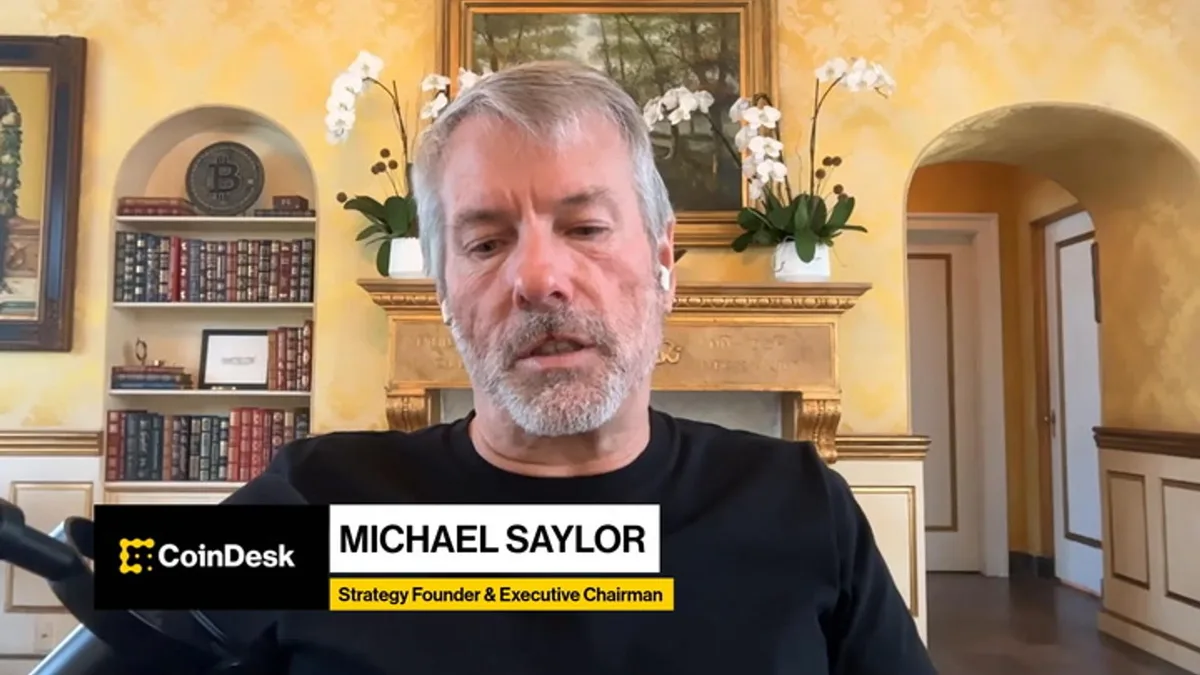
Strategy, the enterprise software firm turned bitcoin treasury company led by Michael Saylor, has sold 1,690 bitcoin and raised approximately $653 million through the issuance of shares in its MSTR stock vehicle. The transaction marks one of the more significant capital maneuvers the company has executed, underscoring how Strategy continues to use its equity markets access as a financial lever tied directly to its cryptocurrency position.
The move is analytically interesting because it inverts the pattern Strategy has become known for — namely, issuing equity or debt to *acquire* bitcoin rather than liquidate it. Selling bitcoin to raise capital through share issuance suggests the firm may be optimizing its balance sheet, managing leverage ratios, or meeting operational and financing obligations that require liquid capital outside of its crypto holdings.
Read more US Stocks Diverge as Oil and Yields Surge on Iran Tensions →
Strategy has long positioned itself as a de facto bitcoin holding company, and its stock has historically traded at a premium to the underlying net asset value of its bitcoin reserves. That premium reflects investor appetite for bitcoin exposure through a regulated equity vehicle. However, any disposition of core bitcoin holdings — even partial — tends to draw scrutiny from the firm's investor base, which expects accumulation rather than distribution as the default posture.
The scale of the transaction, 1,690 bitcoin representing hundreds of millions of dollars, is not trivial, but it remains a fraction of the company's overall bitcoin treasury, which has grown to tens of thousands of coins over multiple years of aggressive acquisition. How the market interprets this move — as routine treasury management or a signal of financial stress — will likely influence MSTR's trading premium in the near term and set expectations for future capital allocation decisions.
Continue reading at CoinDesk.