U.S. Crude Oil Climbs Back Above $100 Amid Middle East Fears
Oil prices have surged past $100 a barrel for the first time since May as rising Middle East tensions stoke fears of prolonged supply disruptions.
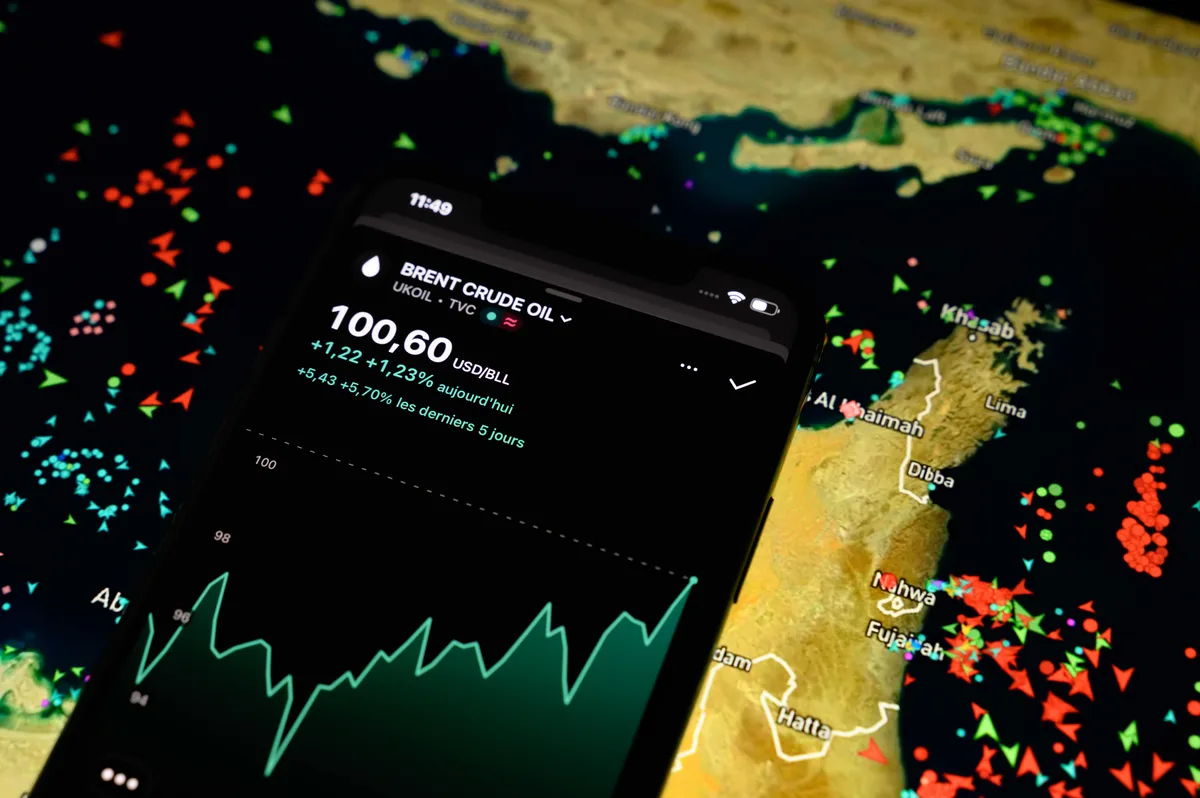
U.S. crude oil crossed the $100-per-barrel threshold again — a level not seen since May — as investors reckon with the possibility that escalating conflict in the Middle East could translate into sustained damage to global energy supply chains. The move signals that markets are no longer treating regional instability as a short-term shock but are beginning to price in a more durable disruption scenario.
The concern at the center of this repricing is Iran. Any prolonged military confrontation involving Tehran carries significant implications for oil flows, given Iran's role as a meaningful producer within OPEC and the country's geographic influence over the Strait of Hormuz — the chokepoint through which roughly a fifth of the world's traded oil passes. Even the threat of interference with that corridor is enough to put a substantial risk premium back into crude prices.
Read more Apple, TSMC Among Five Top Stocks Approaching Buy Points →
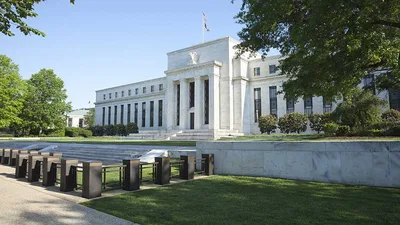
For consumers and policymakers alike, oil recrossing the $100 mark is a psychologically and economically consequential moment. Elevated energy prices feed directly into transportation costs, manufacturing inputs, and ultimately headline inflation — a dynamic that central banks, still managing the aftermath of the post-pandemic inflation surge, would find deeply unwelcome. The Federal Reserve's calculus on interest rates becomes meaningfully more complicated if energy keeps pushing consumer prices higher.
Broader market participants are now closely watching whether diplomatic channels can contain the conflict before supply is materially affected, or whether the current price level becomes a floor rather than a ceiling. History suggests that oil markets tend to overshoot in both directions during geopolitical crises, meaning volatility — more than any single price point — may be the defining feature of the weeks ahead.
Continue reading at US Top News and Analysis