
Why Bond Markets Demand Rate Hikes Even as Gas Prices Resist
The 10-year Treasury yield is nearing 5%, pressuring equities even though Fed tightening can't directly curb fuel costs.
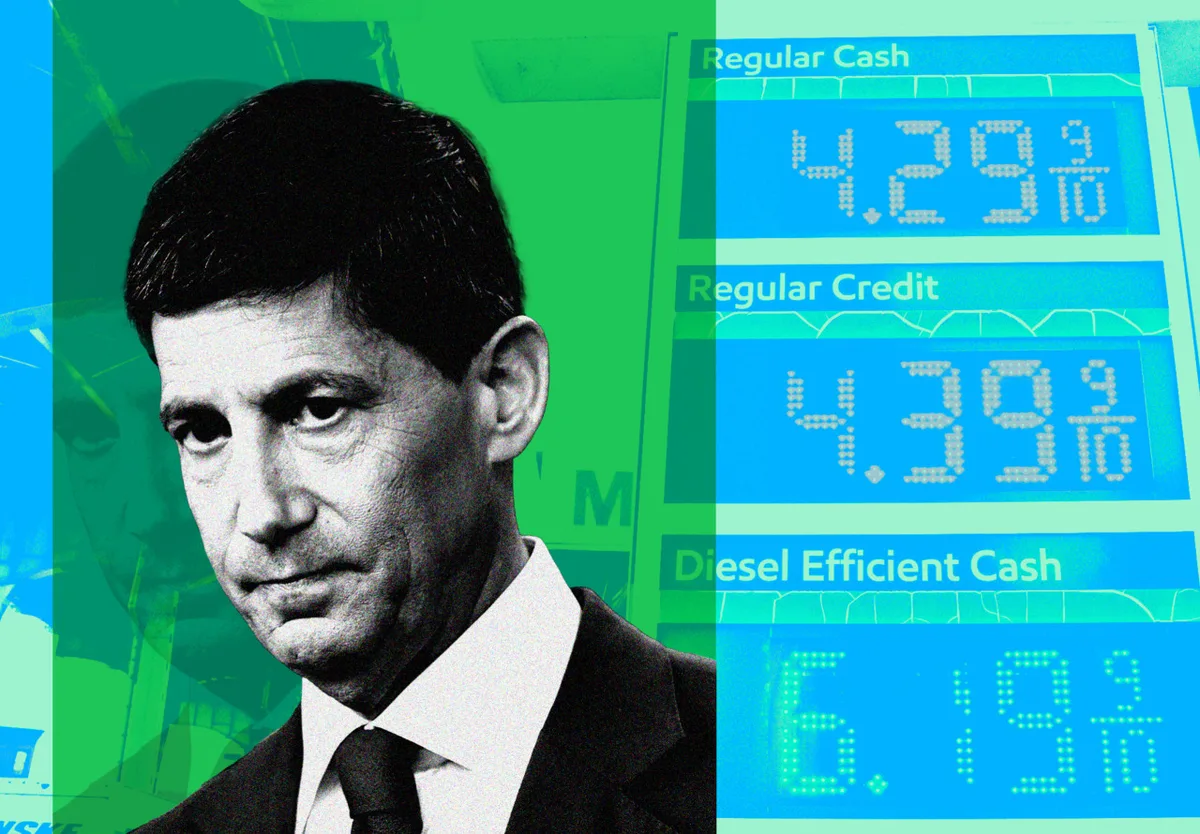
The bond market is sending a stark message to investors: yields are approaching levels that historically signal serious stress for equities, and the Federal Reserve's rate-hiking campaign may be the primary catalyst — even if it can't actually solve the inflation problem driving consumer pain at the gas pump. The 10-year Treasury yield hovering near 5% is not merely a number; it represents a threshold that reshapes the calculus for risk assets across the board.
Gas prices are largely determined by global crude oil supply and demand dynamics, geopolitical disruptions, and refinery capacity — forces that sit well outside the Fed's sphere of influence. Rate hikes work by cooling credit demand, slowing consumer spending, and tightening financial conditions broadly. They are a blunt instrument, effective against wage-driven or demand-pull inflation but far less potent against supply-shock price surges, which is precisely what energy markets have experienced in recent cycles.
Read more How Berkshire's Apple Bet Turned $10,000 Into $122,400 in a Decade →
Yet bond markets continue to price in further tightening, and the reasoning is rooted in credibility rather than direct causation. If the Fed is seen tolerating persistent inflation — even inflation it cannot fully control — long-term inflation expectations could become unanchored. Investors demanding higher yields on long-dated Treasuries are essentially charging a premium for that uncertainty, pushing borrowing costs higher across mortgages, corporate debt, and government financing alike.
For equity markets, a 10-year yield near 5% introduces a genuinely competitive alternative to stocks. When risk-free government debt offers returns that approach or match historical equity risk premiums, the valuation argument for holding equities weakens considerably. This dynamic helps explain why rising yields have repeatedly rattled stock markets even during periods of otherwise solid corporate earnings.
The tension between what the Fed's tools can realistically accomplish and what the bond market demands of policymakers is unlikely to resolve quickly. Investors navigating this environment face a landscape where yields may stay elevated even if inflation moderates unevenly — a scenario that rewards caution and punishes leverage. Continue reading at MarketWatch.com


