Why Central Banks Are Pulling Gold Reserves Out of New York
The Netherlands joins France in repatriating gold from New York, raising questions about the U.S.'s enduring safe-haven status.

A quiet but consequential shift is underway in global finance: central banks in Europe are pulling their gold reserves out of storage in New York, a move that carries symbolic and strategic weight far beyond simple logistics. The Netherlands' central bank has followed France in repatriating its gold holdings, a development that invites serious scrutiny of whether the United States is losing its long-held status as the world's preeminent safe haven for sovereign wealth.
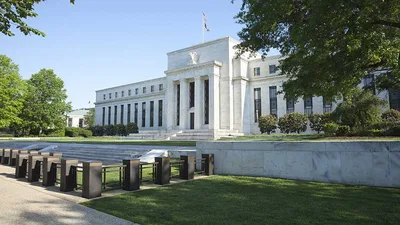
For decades, storing gold at the Federal Reserve Bank of New York was considered the gold standard of security — a reflection of unshakeable confidence in American institutions, geopolitical stability, and the primacy of the U.S. dollar. The fact that multiple European central banks are now choosing to bring that gold home suggests a recalibration of that trust, even if officials frame the decisions in neutral, administrative terms. When allies quietly move their most tangible financial assets, it is worth asking what signal they are sending.
Read more Apple, TSMC Among Five Top Stocks Approaching Buy Points →
The timing matters. These repatriations are occurring against a backdrop of renewed questions about U.S. economic and foreign policy reliability, shifting alliances, and growing anxiety over dollar-denominated assets in a more multipolar world. Gold repatriation is not a panic move — it takes time to plan and execute — but it does reflect a longer-term strategic reassessment that European governments have been quietly conducting for years. France began this trend earlier, and the Netherlands' decision suggests it is becoming something closer to a consensus posture among certain allies.
For markets, the immediate practical effect of central-bank gold repatriation is limited. The amounts moved rarely shock supply or demand dynamics. The deeper significance is what these decisions reveal about sovereign confidence. Gold, unlike Treasury bonds or dollar reserves, carries no counterparty risk and no political strings. Choosing to hold it domestically rather than entrust it to a foreign institution — even a historically reliable one — is a form of hedging against scenarios that once seemed unthinkable.
Whether this constitutes a true erosion of U.S. safe-haven status or simply a prudent diversification by cautious central bankers remains an open debate among economists. But the direction of travel is clear enough to warrant attention. Continue reading at MarketWatch.com.