Why Meta's Stock Is Struggling With Wall Street Right Now
Meta's aggressive AI spending is rattling investors who want proof the company can generate revenue beyond its core ad business.
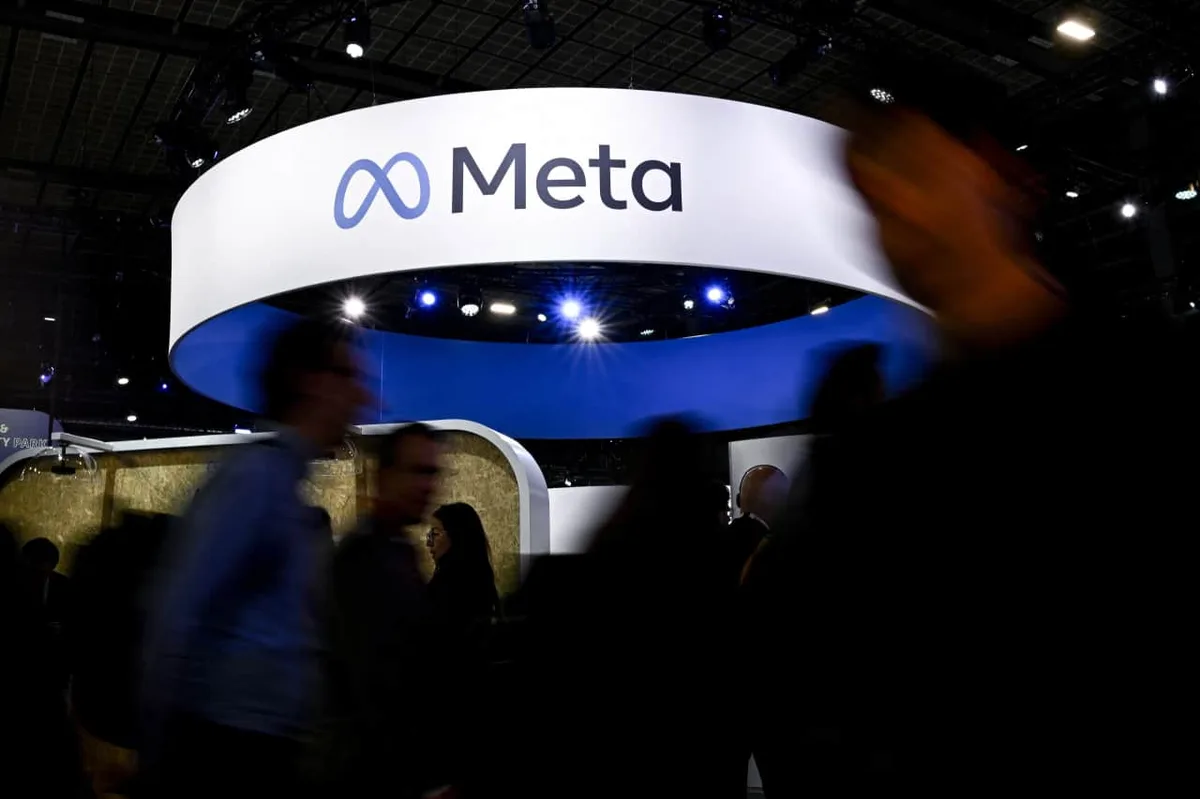
Meta Platforms finds itself in an uncomfortable position with investors: the more it spends on artificial intelligence infrastructure, the louder the questions grow about whether that spending will ever translate into meaningful returns. Wall Street, which rewarded the company handsomely during its "year of efficiency," is now watching a familiar pattern reassert itself — big ambitions, enormous capital outlays, and a monetization story that remains frustratingly vague.
The core tension is straightforward. Meta's advertising engine remains one of the most effective in the world, generating the bulk of the company's revenue with remarkable consistency. But that very dependability has become a double-edged sword. Investors know what the ad business is worth; what they cannot yet price is whether Meta's AI bets will open genuinely new revenue streams or simply make the existing advertising operation marginally more efficient at enormous cost.
Read more Rivian Cuts 2026 Spending and Tightens Loss Forecast After Q2 →
This dynamic explains much of the stock's recent pressure. When a company as profitable as Meta signals that capital expenditures will keep climbing, the market instinctively discounts future earnings. The concern is not that Meta is failing — it is that the company may be investing at a scale that only makes sense if AI unlocks a category-defining business, the contours of which have yet to come clearly into view.
The situation also reflects a broader moment of reckoning across the technology sector. After years of near-unconditional enthusiasm for AI investment, institutional investors are beginning to demand a clearer accounting of returns. Meta, given its size and its outsized AI ambitions, has become something of a proxy for that impatience — a test case for whether aggressive infrastructure spending is strategic foresight or expensive optimism.
Until the company can demonstrate that AI is doing more than enhancing ad targeting — that it is powering genuinely new products or revenue lines — the stock is likely to remain in Wall Street's doghouse, a place Meta has visited before and, notably, escaped from. Continue reading at MarketWatch.com