Why Stock Markets Tend to Rally During Congressional Recesses
Research shows equities perform better when Congress is away, as legislative inactivity reduces regulatory uncertainty that weighs on markets.
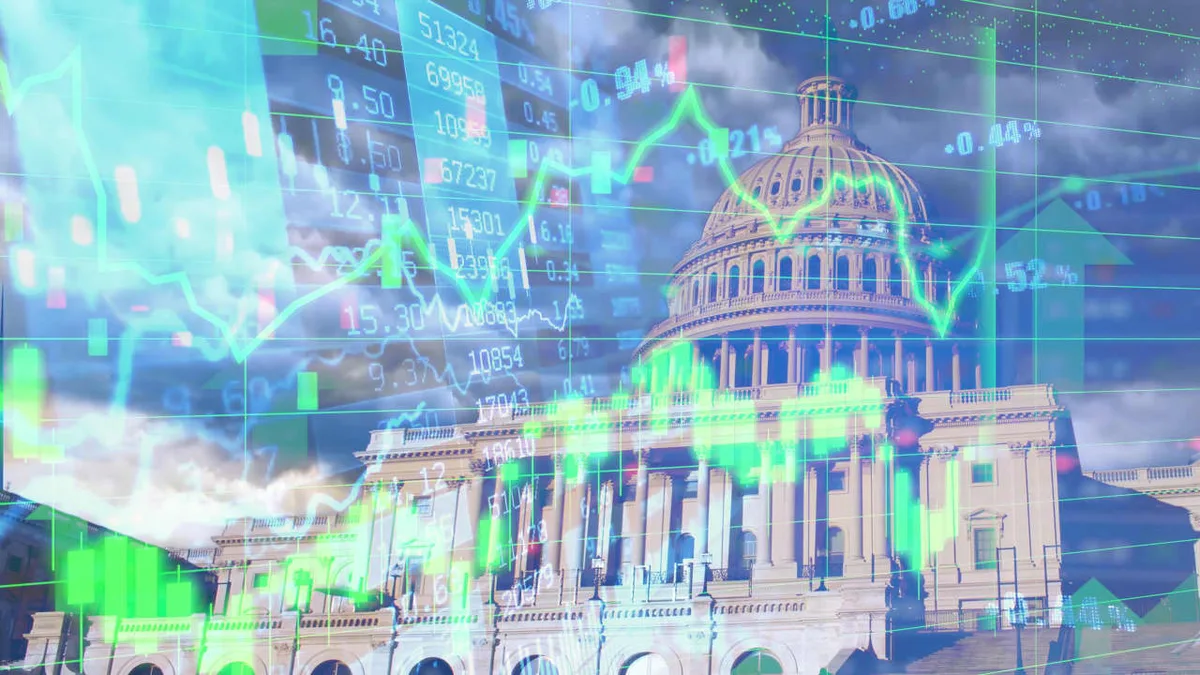
There is a seasonal pattern hiding in plain sight within American financial markets: stocks tend to perform more strongly when Congress is out of session. The explanation, while counterintuitive to those who believe active governance supports economic confidence, comes down to a single force — regulatory uncertainty. When lawmakers are in Washington crafting, debating, or threatening legislation, markets must price in a range of possible policy outcomes, and that ambiguity carries a measurable cost.
Volatility, the financial world's shorthand for risk and unease, rises when Capitol Hill is in full legislative swing. Investors and corporations alike find it harder to make long-term commitments when the rules governing taxes, industry regulation, or trade could shift with the next floor vote. The result is a kind of institutional hesitation that depresses equity prices even before a single bill becomes law. The mere possibility of disruptive policy change is enough to keep markets on edge.
Read more Apple, TSMC Among Five Top Stocks Approaching Buy Points →
When Congress breaks for summer recess or other extended periods, that cloud of uncertainty lifts. Corporate executives can plan with greater confidence, institutional investors can reduce their hedging, and the overall risk premium embedded in stock valuations tends to compress. The rally that often follows is not driven by new economic data or earnings surprises — it reflects the market exhaling after weeks or months of legislative tension.
The broader implication is striking: in a political environment increasingly defined by sweeping legislative ambitions and regulatory overhauls, the market may be quietly signaling a preference for governmental restraint, or at least predictability. This does not mean Congress should legislate less — sound policy has long-term economic benefits — but it does illustrate how even the process of lawmaking, independent of its outcomes, generates real financial costs that are borne by ordinary investors and retirement savers alike.
Continue reading at MarketWatch.com