A Gulf Dynasty Heir Wants to Put $6 Trillion Trade on Blockchain
A successor to a 135-year-old Gulf trading empire is pushing to migrate global trade finance onto blockchain infrastructure.
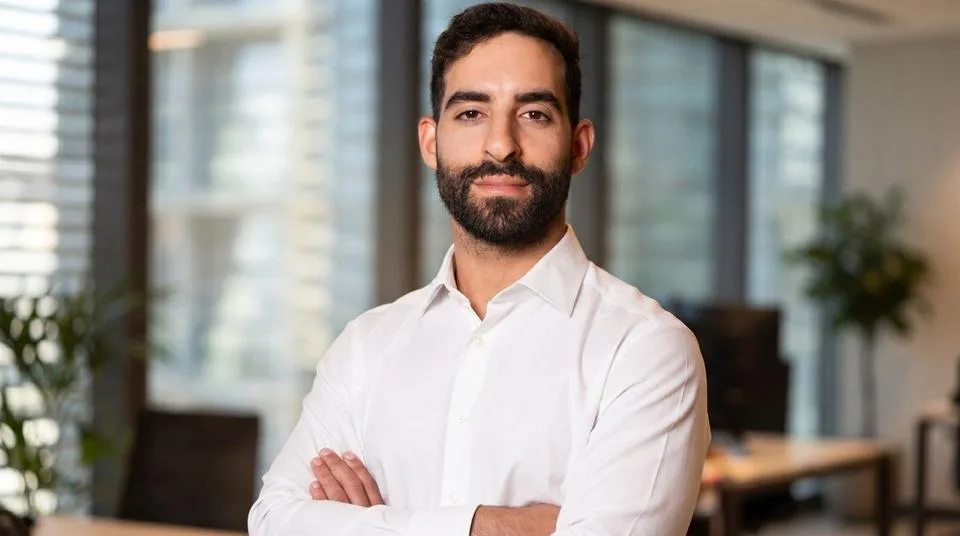
Few sectors of global finance have proven as resistant to technological disruption as trade finance — the sprawling web of letters of credit, shipping guarantees, and payment instruments that underpins roughly $6 trillion in annual commerce. Now, an heir to one of the Gulf region's most storied trading dynasties is betting that blockchain technology can finally modernize the machinery that has changed little in over a century.
The initiative draws its credibility not just from technological ambition but from institutional pedigree. A 135-year-old Gulf trading house carries the kind of counterparty trust and relationship capital that blockchain startups typically spend years trying to manufacture. Embedding distributed-ledger infrastructure within an established dynasty's commercial network could sidestep the cold-start problem that has stalled previous trade-finance digitization efforts.
Read more Robinhood Markets: What Analysts Are Watching Now →
The appeal of blockchain for trade finance is well-documented even if execution has lagged. Paper-heavy processes — bills of lading, documentary credits, customs clearances — remain stubbornly analog, creating delays, fraud vulnerabilities, and reconciliation costs that add friction to every cross-border shipment. A shared, immutable ledger promises faster settlement, reduced document forgery, and real-time visibility for all parties in a transaction chain.
What distinguishes this effort, at least in framing, is the top-down sponsorship from within a dynasty that already commands trust across Gulf trade corridors. Legacy institutions moving onto blockchain rails carry a different signal than a fintech pitching incumbents on adoption. Whether the technology can absorb the legal, regulatory, and counterparty complexity of international trade at scale remains the central unanswered question — one that has humbled well-funded predecessors.
The announcement reflects a broader pattern of Gulf capital taking an increasingly proactive role in shaping next-generation financial infrastructure, rather than simply investing in it from the outside. Continue reading at CoinDesk.