How the SEC Is Losing Its Edge as a Financial Watchdog
Internal commissioners are dismantling the SEC's enforcement leverage, raising alarms about corporate accountability on Wall Street.
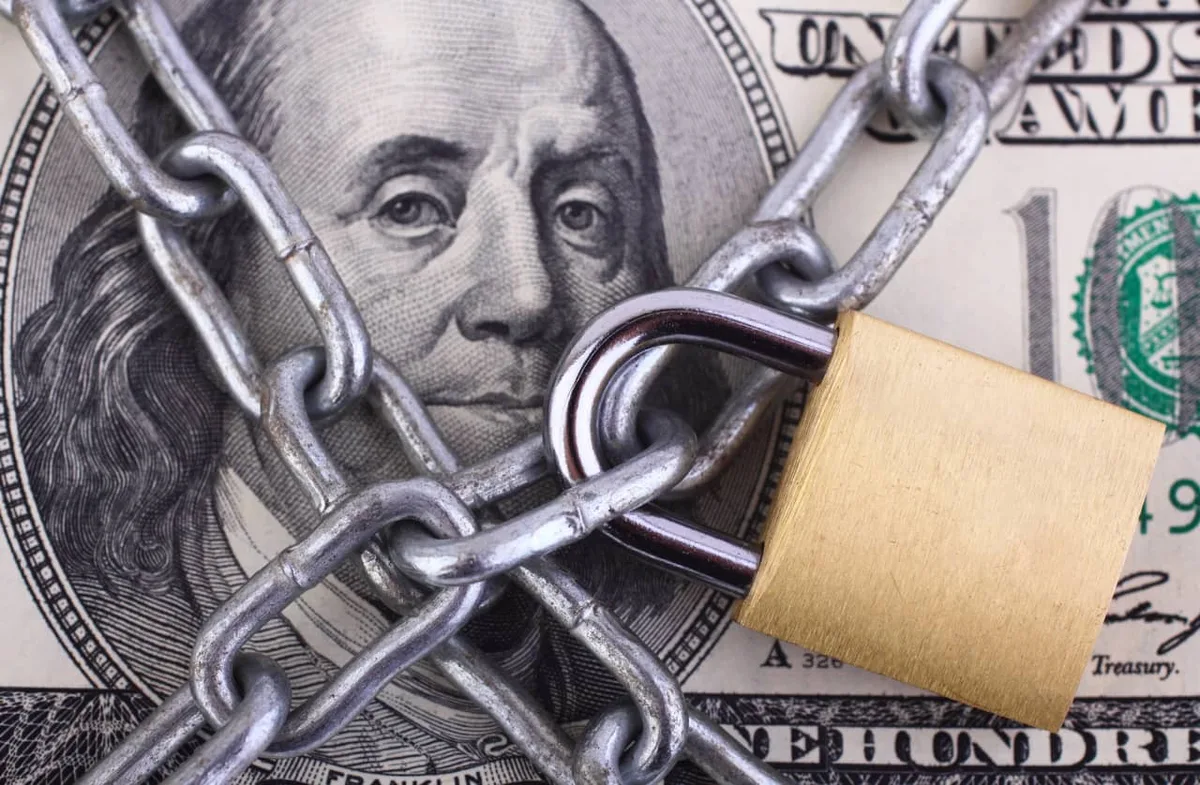
For decades, the Securities and Exchange Commission served as the sharpest instrument in the federal government's toolkit for holding corporations accountable. Its reputation alone was enough to deter financial misconduct — the credible threat of investigation, penalty, and public exposure kept even the most aggressive market participants in check. That era of institutional intimidation may now be fading, and the threat is coming from within.
According to reporting from MarketWatch, the push to weaken the SEC is not originating from hostile legislation on Capitol Hill or lobbying campaigns from corporate boardrooms alone — it is being driven by the agency's own commissioners. That internal dynamic marks a significant shift in how regulatory erosion typically unfolds, and it makes the damage harder to reverse through conventional political channels.
Read more Trump Claims Iran Deal Prevented Economic Catastrophe, Keeps Military Option Open →
When an agency's leadership actively works to narrow its own mandate, the consequences ripple far beyond any single enforcement case. Reduced leverage means fewer settlements, smaller penalties, and a diminished deterrent effect across the financial system. Companies and executives who might once have thought twice before bending disclosure rules or misleading investors now face a watchdog that is, in effect, declawing itself.
The broader implications touch every corner of American capital markets. Retail investors, pension funds, and institutional players alike depend on the assumption that the SEC will act forcefully when fraud or manipulation surfaces. If that assumption erodes, confidence in market integrity erodes with it — a feedback loop that is far easier to start than to stop. Regulatory credibility, once surrendered, is historically difficult to rebuild without a galvanizing scandal or a change in political will.
What is unfolding at the SEC fits a recognizable pattern in American regulatory history: agencies captured not by industry from the outside, but reshaped by appointees who arrive skeptical of the mission itself. The consequences of that reshaping tend to be felt most acutely by ordinary investors, long after the headlines have moved on. Continue reading at MarketWatch.com