ABC Sues FCC, Alleging Retaliation Over Programming Choices
Disney's ABC has filed a First Amendment lawsuit against the FCC, claiming regulators launched a retaliatory campaign targeting its broadcast licenses.
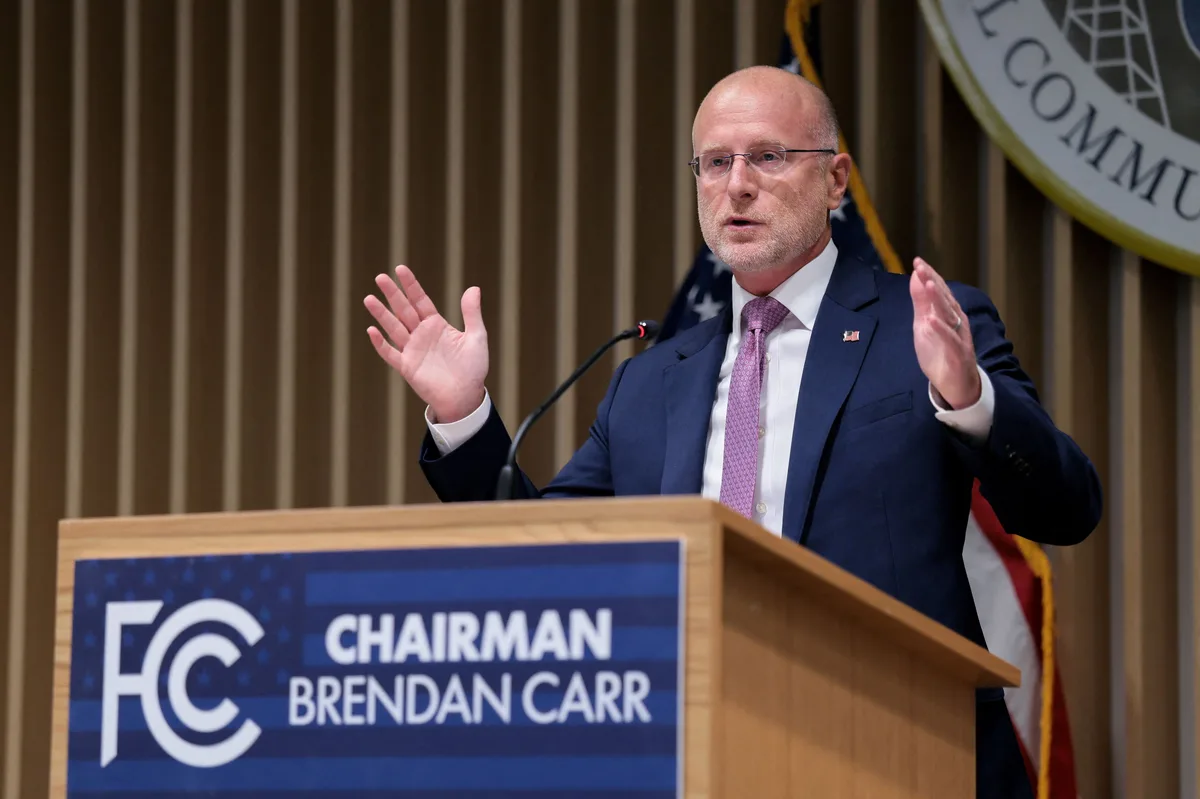
Disney's ABC television network has taken the unusual step of suing the Federal Communications Commission, alleging that federal regulators are weaponizing the broadcast licensing process as punishment for the network's editorial and programming decisions. The lawsuit frames the FCC's conduct as a direct violation of First Amendment protections that are meant to shield news and entertainment outlets from government pressure over content.
At the heart of the complaint is ABC's contention that the FCC's investigation and its scrutiny of the network's broadcast license renewals are not routine regulatory actions but rather a coordinated effort to intimidate a major media organization. The move signals a significant escalation in tensions between a major legacy broadcaster and federal communications regulators — a collision rarely seen in modern American media.
Read more Trump-Backed World Liberty Wins Conditional Bank Charter for Stablecoins →
The case raises profound questions about the boundaries of regulatory authority over the public airwaves. Broadcast licenses have always existed in a complex legal space: networks operate on publicly owned spectrum and are therefore subject to federal oversight, yet the First Amendment imposes strict limits on how far the government can go in punishing or coercing broadcasters over their content. ABC's lawsuit argues the FCC has crossed that line.
For the broader media industry, the outcome of this litigation could set a meaningful precedent. If courts find that the FCC's actions constitute retaliation, it would constrain regulators' ability to use the licensing renewal process as leverage over editorial choices — a tool critics have long warned could chill free expression. Conversely, a ruling in the FCC's favor could embolden regulators to apply greater scrutiny to broadcast content under the guise of licensing oversight.
Continue reading at US Top News and Analysis.