Desperate Patients Turn to Social Media to Fight Insurance Denials
Exhausted by appeals processes, patients are taking health-insurance disputes to Facebook and LinkedIn in search of relief.
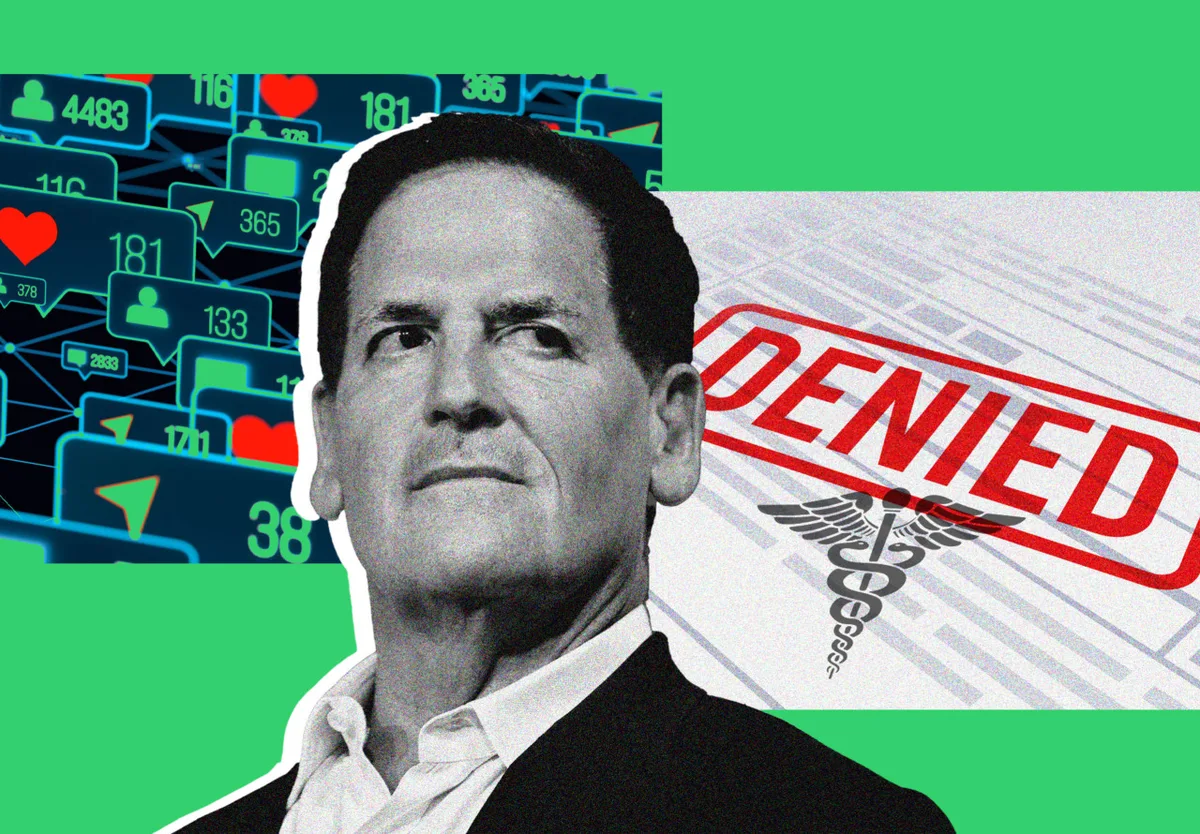
When traditional appeals channels fail, some Americans are finding an unlikely last resort: posting their health-insurance grievances publicly on social media platforms like Facebook and LinkedIn. The tactic reflects a broader frustration with a system that many patients experience as opaque, slow-moving, and indifferent to individual suffering. For those caught between urgent medical needs and coverage denials, a viral post can feel like the only lever left to pull.
The phenomenon speaks to a structural asymmetry in the American health-insurance landscape. Insurers operate with considerable procedural complexity — layers of prior authorizations, internal appeals, and external review processes — that can take weeks or months to navigate. Patients dealing with acute or chronic conditions rarely have that kind of time, and many lack the specialized knowledge needed to argue effectively within the system's own rules. Social media, by contrast, offers immediacy and the possibility of public accountability.
Read more States Sue to Protect Mortgage Escrow Interest Payments →
What makes this strategy notable is its implicit pressure mechanism. A post that gains traction can attract attention from journalists, advocacy groups, and even corporate communications teams concerned about reputational damage. In that sense, patients are essentially attempting to convert a private bureaucratic dispute into a public relations problem for the insurer — a form of leverage that did not meaningfully exist a generation ago.
The trend also raises important questions about equity and access. Patients with larger social networks, higher digital literacy, or compelling personal narratives are better positioned to benefit from this approach than those without such advantages. If social-media pressure becomes an informal tier of the appeals process, it risks compounding the inequalities already embedded in health coverage disputes.
The broader implication is that the emotional and logistical burden being placed on patients has grown heavy enough to push them outside sanctioned channels entirely — a signal that formal grievance mechanisms may need significant reform. Continue reading at MarketWatch.com