Federal Trade Court Upholds Trump's 'De Minimis' Loophole Closure
A federal trade court has backed Trump's move to end the de minimis exemption, which the president called a 'BIG WIN' on Truth Social.
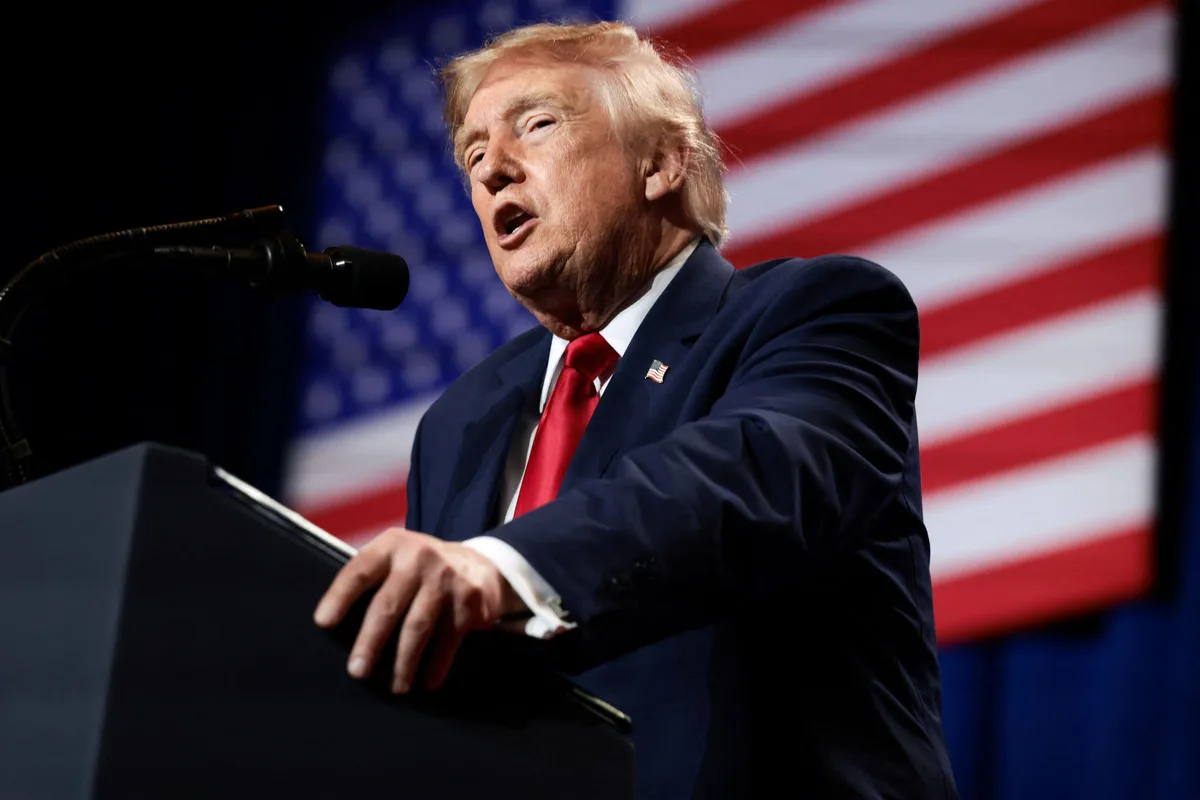
A federal trade court has upheld the Trump administration's decision to close the so-called "de minimis" loophole, a ruling that carries significant consequences for e-commerce platforms and international retailers that have long relied on the provision to ship low-cost goods into the United States duty-free. President Trump marked the occasion with characteristic fanfare, posting on Truth Social that the outcome represented a "BIG WIN."
The de minimis exemption historically allowed imports valued under $800 to enter the U.S. without being subject to customs duties or standard inspection procedures. The rule had become a cornerstone of the business models of overseas fast-fashion and discount marketplaces, enabling them to deliver individual packages directly to American consumers at prices that domestic competitors struggled to match.
Read more States Sue to Protect Mortgage Escrow Interest Payments →
The court's decision to uphold the closure signals a meaningful shift in how the United States regulates the flood of small-value parcels that has surged in recent years — a volume that critics argued overwhelmed customs enforcement and facilitated the entry of counterfeit and potentially dangerous goods alongside legitimate merchandise. Proponents of the exemption, meanwhile, had contended that eliminating it would raise costs for budget-conscious consumers and disrupt established supply chains.
From a policy standpoint, the ruling reinforces the administration's broader effort to use trade enforcement tools to apply competitive pressure on foreign manufacturers and platforms. Whether the decision survives further legal scrutiny remains an open question, but for now it hands the White House a concrete legal validation of one of its more consequential trade actions. The downstream effects on consumer prices and import volumes are likely to become clearer in the months ahead as businesses scramble to adapt.
Continue reading at US Top News and Analysis.