AfD's Landmark State Win Reshapes German Political Landscape
A sweeping far-right AfD victory in a German state election is sending shockwaves through Berlin's federal government and alarming political analysts.
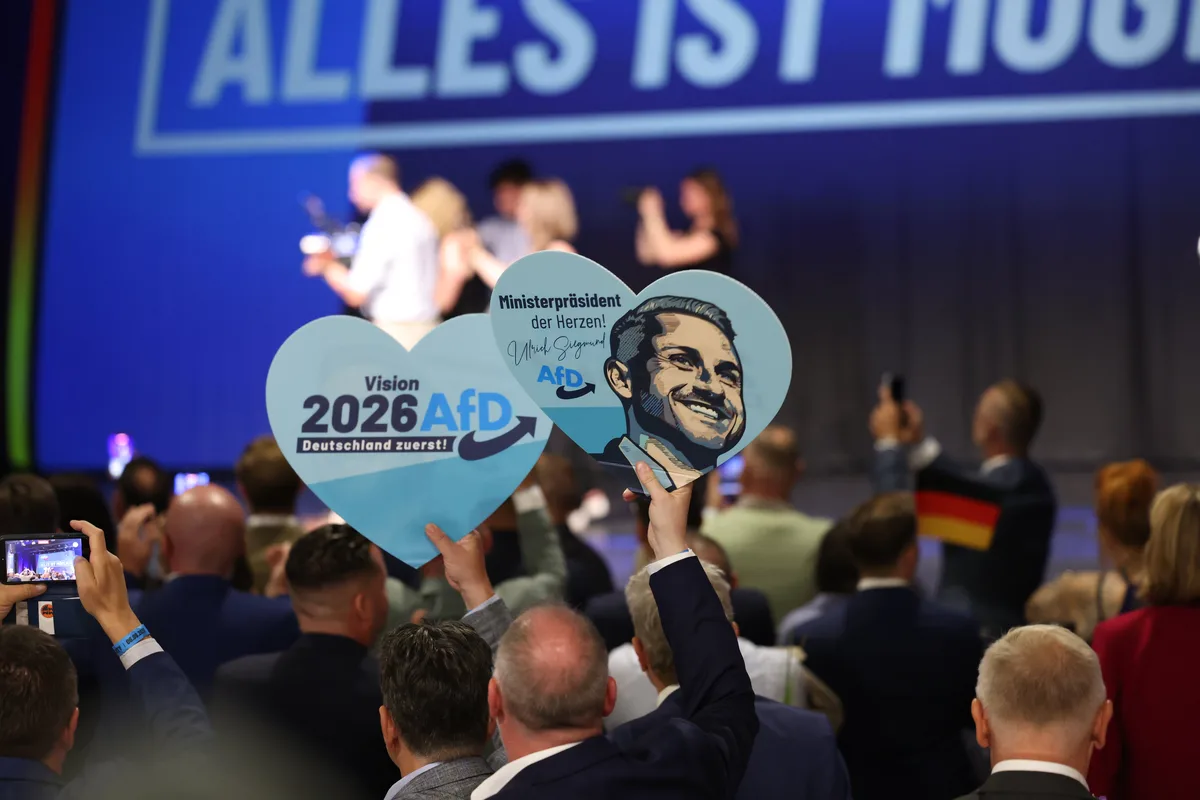
Germany's far-right Alternative für Deutschland party has delivered what analysts are calling a politically seismic result in a state election, one that is heaping fresh pressure on the country's already-strained federal government. The scale of the victory has prompted serious reflection across the German political establishment, with observers scrambling to understand what the outcome signals about the broader direction of German democratic politics.
Analysts have not minced words in assessing the result's historical weight. Described as "extraordinary" by those tracking German politics, the AfD's performance has been characterized as potentially the most consequential state-election outcome in postwar German history — a framing that underscores just how dramatically the country's political center of gravity appears to be shifting. For a nation whose postwar identity has been deeply tied to a rejection of nationalist extremism, that assessment carries a particular gravity.
Read more Iran's President Vows No Surrender to US as India Calls for Peace →
For the federal government in Berlin, the result arrives at a moment of significant vulnerability. Coalition partners at the national level will now face intensified debates about immigration, economic anxiety, and voter alienation — the very issues on which the AfD has built its surge. Mainstream parties will be forced to reckon with whether their current policy stances are reaching an electorate that increasingly appears willing to turn to the far right for answers.
The broader European context matters here as well. Germany's AfD result does not exist in isolation — it is part of a continent-wide pattern in which far-right and nationalist parties have been gaining ground, testing the resilience of centrist governments from Paris to Warsaw. Germany, as Europe's largest economy and a cornerstone of the EU, sends a particularly loud signal when its electorate shifts in this direction.
What happens next in the affected state — including coalition negotiations and governance — will be watched closely both domestically and by European partners deeply invested in Germany's political stability. Continue reading at US Top News and Analysis.