Anthropic's AI Curbs Spark Debate Over India's Tech Ambitions
Restrictions from US AI firm Anthropic are testing India's strategy of building applications atop foreign AI models, with critics calling domestic efforts inadequate.
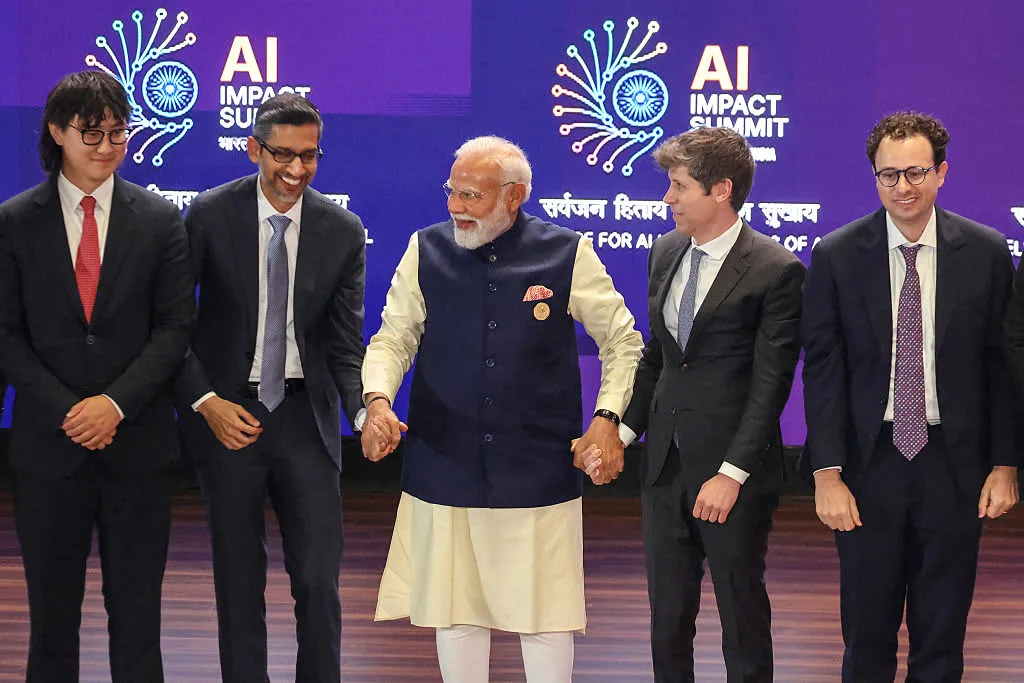
India's vision of becoming a global artificial intelligence hub is facing a serious stress test. The country has long pursued a pragmatic strategy: rather than developing foundational AI models from scratch, it would build competitive applications and services layered on top of platforms created by American and other foreign firms. That approach is now under scrutiny as Anthropic, one of the leading US-based AI developers, has introduced curbs that are reverberating through India's tech ecosystem.
The restrictions have ignited a pointed debate among Indian technologists, policymakers, and entrepreneurs about whether the country's current posture toward AI development is sustainable. Critics argue that relying heavily on foreign foundational models exposes Indian innovators to precisely this kind of vulnerability — where decisions made in Silicon Valley can constrain ambitions conceived in Bengaluru or Hyderabad. The sentiment among some observers is blunt: domestic efforts to build indigenous AI capabilities are moving too slowly and at far too small a scale to provide a viable alternative.
Read more How the SEC Is Losing Its Edge as a Financial Watchdog →
The episode underscores a deeper structural tension in how emerging economies engage with the global AI race. Building foundational models requires enormous capital, vast compute resources, and deep research talent — inputs that are unevenly distributed worldwide. India has made public investments in AI infrastructure, but the gap between stated ambition and operational capacity remains wide. When a foreign partner changes its terms or access policies, the downstream effects on local developers can be immediate and disruptive.
What makes this moment analytically significant is that India is not alone in confronting this dilemma. Many nations have implicitly accepted dependence on a handful of Western AI labs as the cost of staying current with the technology. The Anthropic situation may serve as a catalyzing event — forcing a harder conversation about sovereignty, resilience, and the true cost of an application-layer-only strategy. Whether Indian policymakers respond with urgency or incremental adjustments will say much about the country's real commitment to AI self-sufficiency.
Continue reading at US Top News and Analysis