California Billionaire Tax Ballot Odds Collapse Amid Newsom Opposition
Prediction markets slashed the likelihood of a California billionaire tax reaching voters after Gov. Gavin Newsom moved to block the proposal.
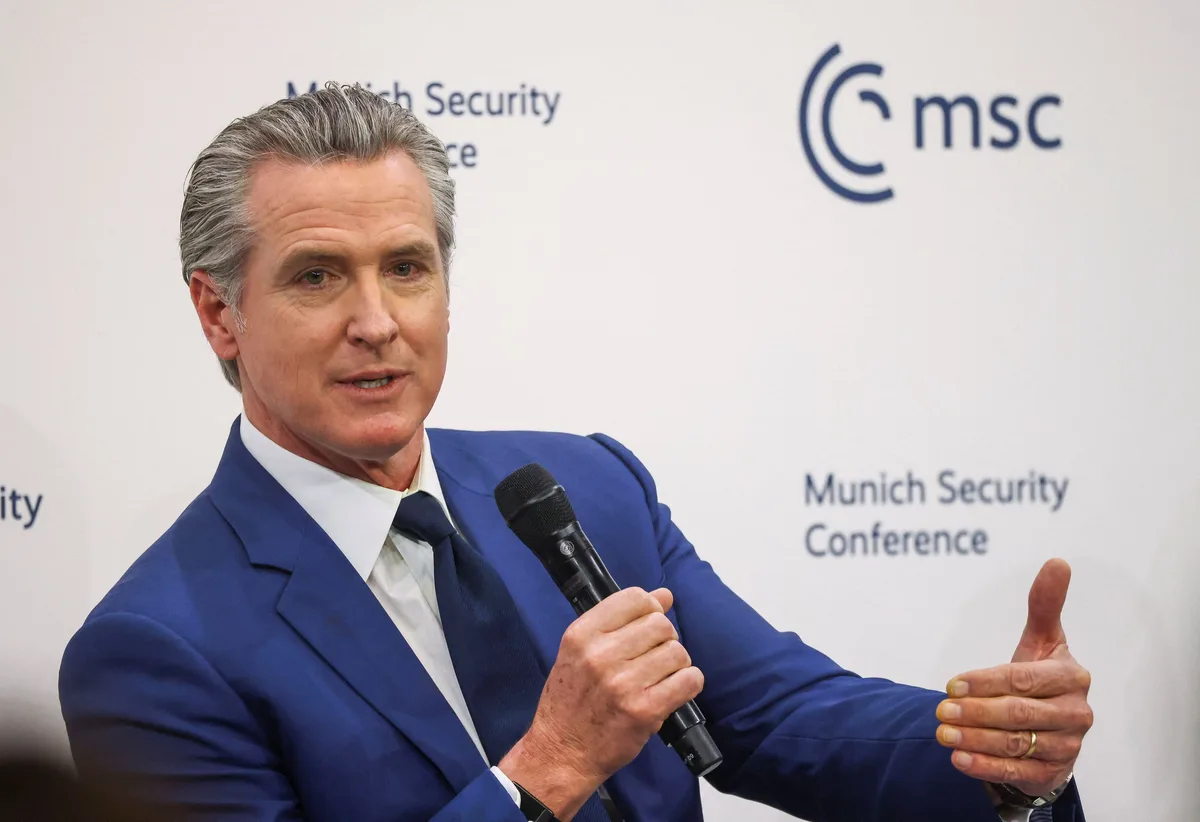
The probability that California voters will get to weigh in on a proposed billionaire tax has fallen sharply, according to prediction market data, after reports emerged that Governor Gavin Newsom is actively working to prevent the measure from appearing on the state ballot. The shift is a notable signal of how executive political pressure can quickly reshape market expectations around policy outcomes.
Newsom's reported opposition carries considerable weight. As governor of the nation's most populous state and one of the Democratic Party's most prominent figures, his ability to influence legislative allies and shape the political environment around ballot initiatives gives him significant leverage over whether such a measure advances. Prediction markets, which aggregate the probabilistic judgments of many participants, moved swiftly in response to reporting about his stance.
Read more How the SEC Is Losing Its Edge as a Financial Watchdog →
The proposed tax would target the state's wealthiest residents — a class of individuals concentrated heavily in California's tech and finance sectors. Wealth tax proposals have gained rhetorical traction nationally among progressive policymakers, but they have consistently faced steep practical and legal obstacles, including questions around valuation of unrealized assets and the risk of high-net-worth individuals relocating to lower-tax states. California has already seen measurable outmigration of wealthy residents in recent years, a dynamic that critics of such proposals frequently cite.
Newsom's intervention, if the reports are accurate, reflects a broader tension within the Democratic Party between its progressive and moderate wings on the question of how aggressively to tax accumulated wealth. The governor has previously positioned himself as a pragmatic economic steward of California, even as he courts a national profile ahead of a potential future presidential run. Blocking a high-profile wealth tax initiative could be read as a signal about where he intends to stand on that fault line.
The episode underscores the outsized role that a single political actor can play in redirecting the trajectory of major fiscal proposals, and how quickly that influence registers in real-time forecasting tools. Continue reading at US Top News and Analysis.