European Stocks Hit Record High on US-Iran Peace Deal News
The STOXX 600 index climbed to an all-time high after the United States and Iran reached a preliminary peace agreement, lifting global market sentiment.

European equities surged to a record on Thursday after the United States and Iran announced a preliminary peace deal, removing a layer of geopolitical uncertainty that had weighed on global markets for months. The pan-European STOXX 600 index breached an all-time high, reflecting investor relief that one of the region's most consequential diplomatic flashpoints may be moving toward resolution.
Geopolitical risk premiums embedded in energy and defense assets tend to reprice rapidly when conflict narratives shift, and this development was no exception. Markets interpreted the preliminary agreement as a meaningful de-escalation signal — even if a formal, binding accord remains some distance away. The distinction between a preliminary deal and a finalized treaty matters enormously for sustained market moves, and traders will be watching closely for follow-through in the diplomatic process.
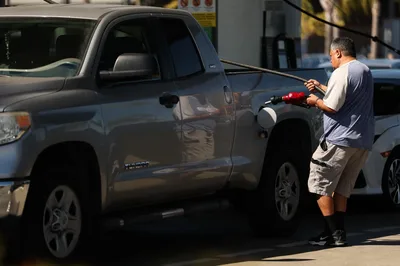
Read more How a U.S.-Iran Deal Could Push Gas Prices Lower →
The timing is notable. Global equities have navigated a turbulent stretch shaped by persistent inflation concerns, central bank uncertainty, and a series of regional conflicts. A reduction in Middle East tension carries particular weight for European markets given the continent's sensitivity to energy supply disruptions and trade route stability through the Strait of Hormuz. Any easing of that pressure tends to benefit European industrials, energy importers, and consumer-facing sectors simultaneously.
Analysts will likely caution that preliminary agreements in complex diplomatic negotiations can stall or unravel, and markets may have priced in an optimism that the full negotiating calendar has yet to justify. Still, the record close on the STOXX 600 underscores how powerfully a shift in geopolitical narrative can realign investor positioning, even ahead of concrete policy outcomes. The broader question is whether this deal holds — and whether its economic ripple effects prove durable.
Continue reading at Reuters.