How a U.S.-Iran Deal Could Push Gas Prices Lower
A potential agreement to end hostilities with Iran could ease pressure on oil markets. Here's what drivers should realistically expect at the pump.
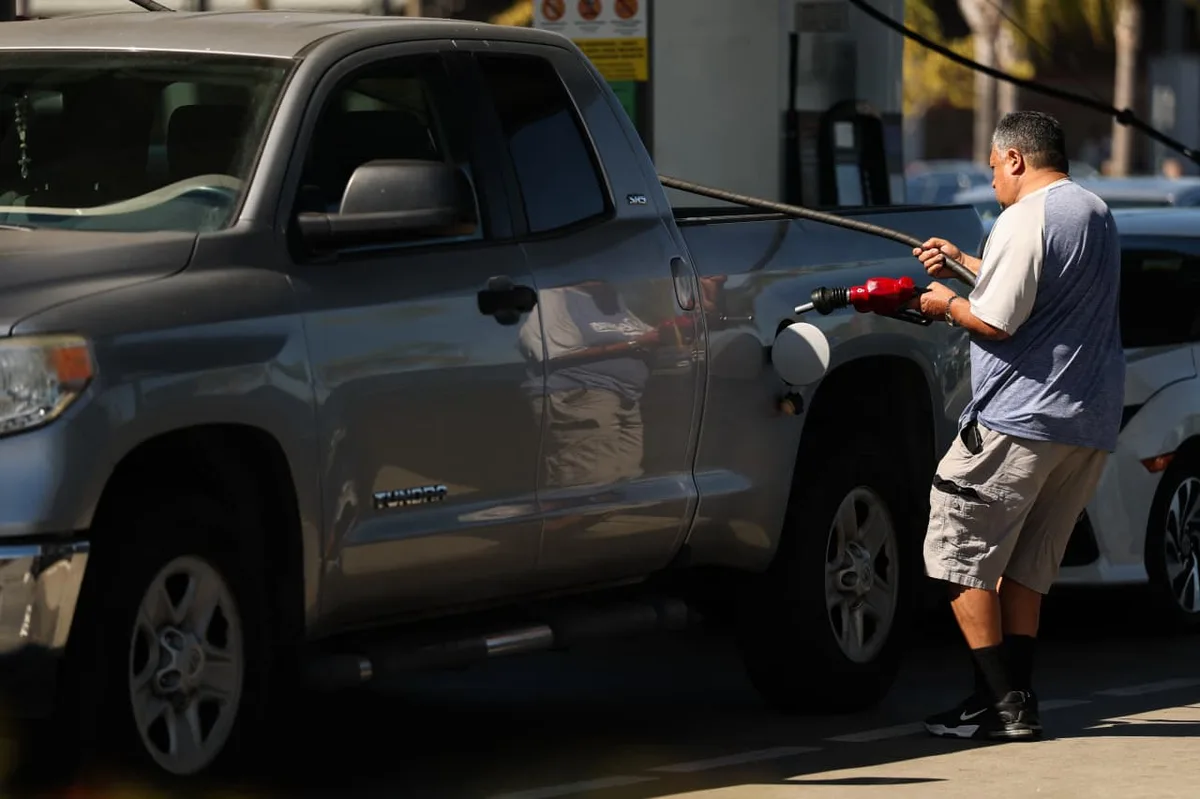
Gasoline prices have been hovering just above the psychologically significant $4-per-gallon threshold, a level that historically triggers consumer anxiety and shifts spending behavior in measurable ways. That benchmark matters not just at the pump but as a political and economic signal — one the White House is keenly aware of as it navigates diplomatic overtures toward Iran.
The connection between an Iran deal and retail fuel prices runs through global crude oil supply. Iran holds substantial petroleum reserves, and sanctions have kept a meaningful volume of that oil off international markets for years. Any credible agreement that lifts or eases those restrictions would, in theory, add supply to a market that has struggled with tightness, putting downward pressure on crude benchmarks like Brent and WTI — and, eventually, on what consumers pay at the station.
Read more Bitcoin Charts Signal Possible $100K Return Before October →
The timing, however, is rarely straightforward. Even if diplomats reach an agreement, the lag between a policy announcement and relief at the retail level can span several weeks. Crude prices may respond within hours to geopolitical news, but refinery throughput, regional distribution, and retail margin adjustments all add friction to the transmission of lower wholesale costs to consumers.
Analysts and traders will be watching closely for any concrete signals — a framework agreement, a sanctions waiver, or verified increases in Iranian export volumes — before pricing in a sustained decline. Absent those specifics, the $4 floor is likely to remain a persistent reality for American drivers in the near term, underscoring how tightly household budgets remain linked to the outcome of negotiations thousands of miles away.
Continue reading at MarketWatch.com