Fox's $22 Billion Roku Deal: Why Analysts Back the Move
Fox shares fell after the Roku acquisition announcement, but Wall Street analysts argue the $22B deal makes strategic sense long-term.
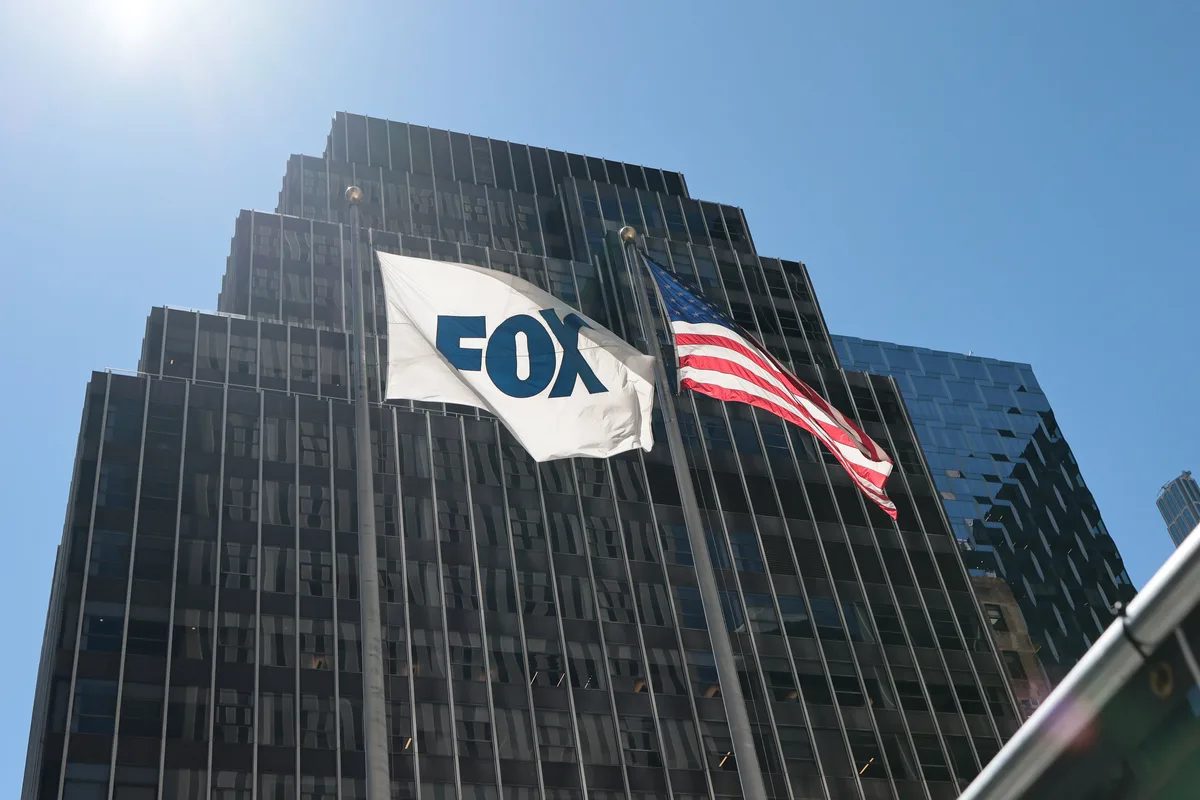
When Fox Corporation announced its intention to acquire streaming platform Roku for $22 billion, the market's immediate reaction was skeptical — shares of Fox declined in the wake of the news. That kind of reflexive sell-off is familiar territory whenever a legacy media company writes a large check, and it reflects a broader investor wariness about big-ticket acquisitions in an industry still sorting out its streaming economics.
Yet analysts appear to be reading the deal through a different, longer lens. Despite the stock pressure, Wall Street voices have largely characterized the acquisition as a strategically sound move — one that positions Fox to compete meaningfully in the distribution layer of streaming, not just the content layer. Roku's platform sits between consumers and the apps they watch, giving whoever owns it powerful data, advertising inventory, and placement leverage that pure content players simply don't have.
Read more RealTime Reservation Acquires STAY to Build Global Guest Platform →
For Fox specifically, the logic is particularly compelling. The company has leaned heavily into live programming — sports, news, and tentpole events — which remain among the most valuable ad-supported content categories available. Owning Roku would give Fox a direct conduit to streaming households, bypassing the gatekeeping role that smart TV manufacturers and rival platforms currently play. That kind of vertical integration could reshape how Fox monetizes its audience in a cord-cutting environment that shows no signs of reversing.
What investors may be underweighting, analysts suggest, is Roku's embedded position in the streaming ecosystem. The platform already commands a significant share of connected TV usage in the United States, and its advertising business has been growing even as the broader digital ad market faced headwinds. Folding that infrastructure into Fox's operation could accelerate revenue diversification in ways that aren't immediately visible in a headline acquisition price.
The gap between market reaction and analyst sentiment isn't necessarily a contradiction — it reflects two different time horizons evaluating the same transaction. Short-term dilution concerns are real, but the strategic calculus around distribution control in streaming may prove to be exactly the kind of move that looks obvious in retrospect. Continue reading at US Top News and Analysis.