How Chicken Tenders Became Fast Food's Dominant Format
Boneless, handheld chicken is reshaping fast-food menus globally, and legacy chains like KFC are scrambling to adapt.
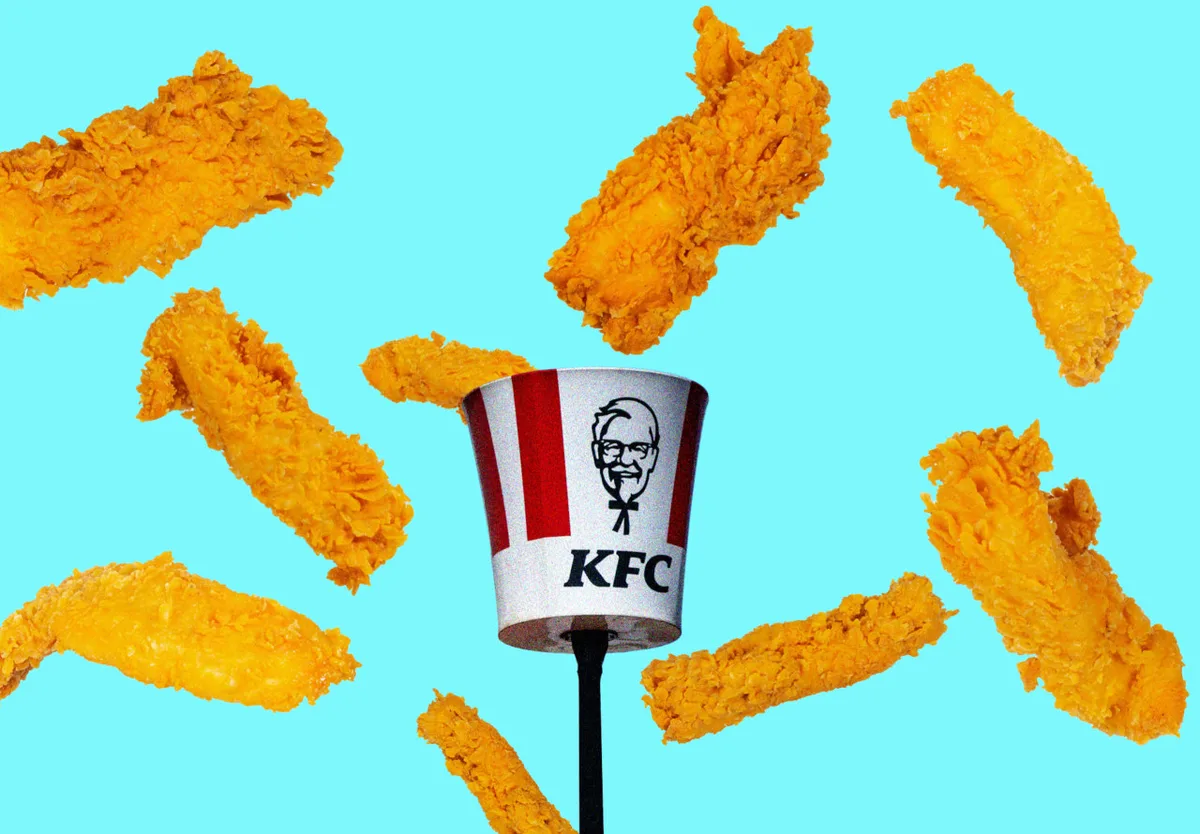
Something fundamental has shifted in the way Americans — and increasingly, consumers worldwide — want to eat chicken. The bone-in wing and drumstick, long the backbone of quick-service poultry, are ceding ground to tenders and sandwiches: boneless, sauce-ready, and engineered for consumption behind the wheel. It is a quiet but consequential reorganization of one of the world's most competitive food categories.
KFC, the brand most historically associated with bone-in fried chicken, finds itself navigating this transition with particular urgency. The chain built its identity — and its late founder's legacy — around the whole-bird experience. Pivoting toward tenders and sandwiches without alienating its core customer base requires a careful balance of menu evolution and brand preservation that few legacy chains have managed cleanly.
Read more RealTime Reservation Acquires STAY to Build Global Guest Platform →
The broader trend reflects something deeper than shifting taste preferences. Convenience architecture now drives menu engineering at the largest fast-food operators. A chicken tender or a stacked sandwich fits neatly into a cup holder ecosystem; a bone-in piece does not. As drive-through and delivery channels have grown to represent an ever-larger share of fast-food revenue, operators have strong financial incentives to prioritize formats that travel well and require minimal utensils or napkins.
The competitive stakes are high. Chick-fil-A built an empire largely on the tender-and-sandwich model, while Raising Cane's and Slim Chickens have demonstrated that a nearly single-item menu anchored by tenders can sustain rapid national expansion. For KFC, the challenge is not just product development — it is catching up to consumer expectations that rivals have already been shaping for years.
What this moment illustrates is that even the most entrenched brand identities in fast food are not immune to structural shifts in how people eat, move, and order. The chicken wars are far from over; they have simply moved to boneless terrain. Continue reading at MarketWatch.com