Index Fund Investors Face Forced SpaceX Exposure Soon
Passive investors who avoided crypto may soon hold SpaceX through index funds, bringing volatility they never chose.
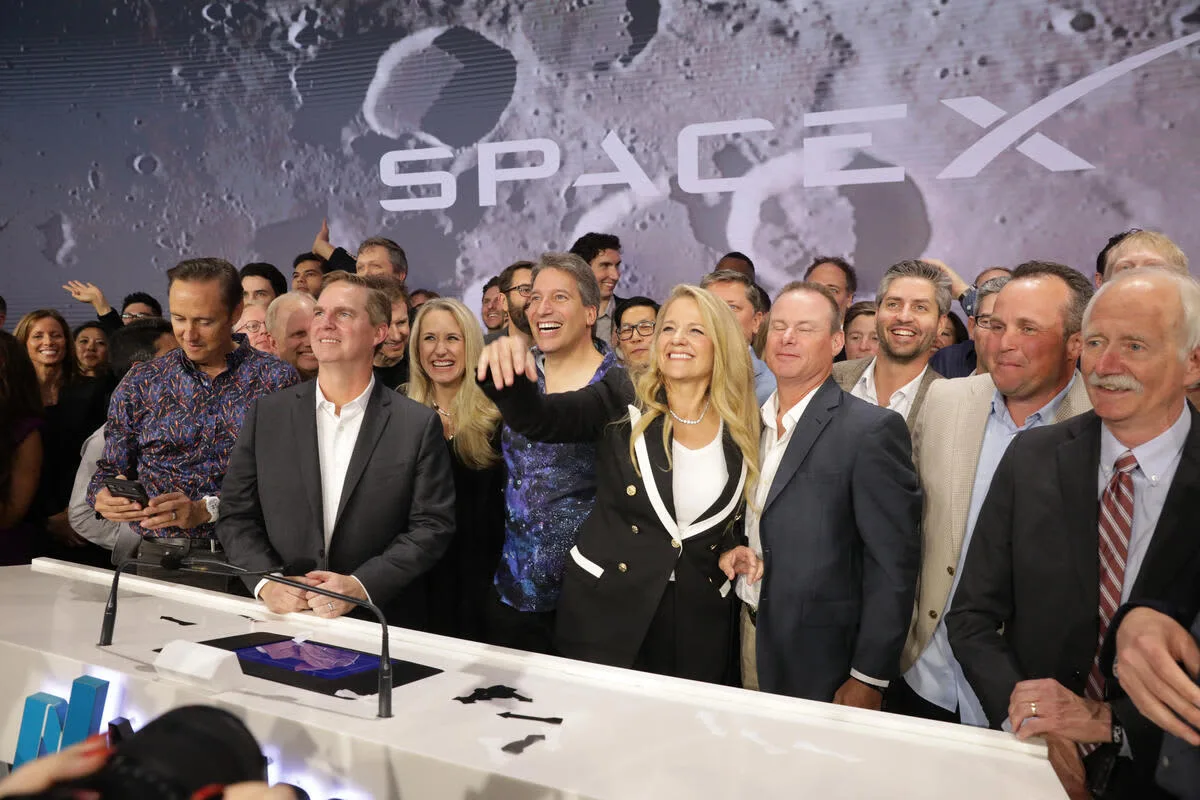
For years, the appeal of passive investing rested on a straightforward promise: own a broad slice of the market, sidestep the drama of individual bets, and let diversification do the heavy lifting. That premise is about to face a significant stress test, as SpaceX — Elon Musk's privately held aerospace and satellite company — moves closer to potential index inclusion, dragging along a volatility profile that reportedly runs three times higher than bitcoin.
The irony is not lost on financial advisors who spent the better part of the last decade steering clients away from speculative assets like cryptocurrency, only to find that the index funds underpinning their most conservative recommendations may soon automatically absorb a company whose risk characteristics dwarf those of digital assets they deliberately avoided. Unlike a discretionary portfolio manager who can choose to underweight or exclude a name, index fund mandates leave little room to maneuver once a security qualifies for inclusion.
Read more Robinhood Markets: What Analysts Are Watching Now →
SpaceX occupies a genuinely unusual position in the investment landscape. It is one of the most valuable private companies in the world, backed by ambitions that stretch from satellite internet dominance via Starlink to crewed missions to Mars. That scale and ambition are precisely what make it index-eligible — and precisely what concentrates its risk. Revenue visibility, regulatory exposure, and the singular influence of its founder all introduce variables that conventional index constituents simply do not carry in the same measure.
For everyday investors in target-date funds, 401(k) plans, or broad market ETFs, the practical consequence is that portfolio risk may quietly shift without any active decision on their part. Financial advisors will face a new kind of client conversation — not about whether to buy SpaceX, but about whether the index itself still reflects the risk tolerance it once implied. Passive investing has long been sold as a way to remove emotion and speculation from wealth-building; the arrival of hypergrowth, high-volatility names at scale challenges that narrative in ways the industry has not fully reckoned with.
Continue reading at US Top News and Analysis.