Moderna-Merck Cancer Vaccine Shows Strong Late-Stage Trial Results
A melanoma vaccine combo from Moderna and Merck significantly outperformed Keytruda alone, sending both stocks sharply higher.
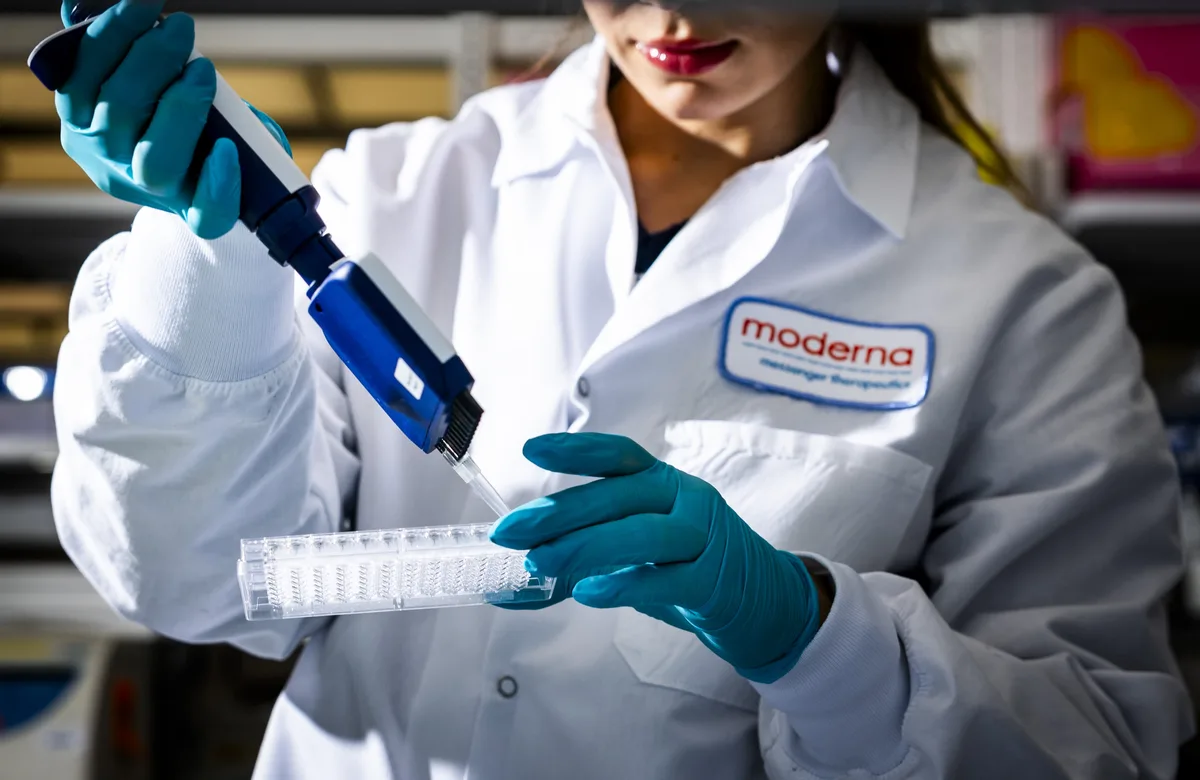
A late-stage clinical trial has delivered encouraging news for cancer immunotherapy: a combination regimen developed jointly by Moderna and Merck demonstrated a meaningful extension in the time melanoma patients went without their cancer returning, compared with patients who received Merck's blockbuster immunotherapy drug Keytruda on its own. The results represent a significant milestone for the experimental vaccine approach, which pairs Moderna's mRNA platform — the same technology that underpinned its Covid-19 vaccine — with an established cancer treatment.
The trial outcome matters beyond the balance sheets of two pharmaceutical giants. Melanoma remains one of the deadliest forms of skin cancer when it advances beyond early stages, and existing treatments, while effective for some patients, leave a substantial portion of the patient population vulnerable to recurrence. A regimen that measurably delays that return could translate into longer survival windows and, ultimately, improved overall survival outcomes in future analyses.
Read more Stripe Acquires AI Gateway OpenRouter in Undisclosed Deal →
Investors responded with conviction. Shares in both Moderna and Merck surged following the announcement, reflecting market confidence that the trial data could support regulatory submissions and, eventually, a new commercial product. For Moderna in particular, the results are strategically important: the company has been under pressure to diversify its revenue base beyond Covid vaccines, and a viable oncology franchise would represent a transformative expansion of its pipeline.
The broader implications for personalized medicine are also worth noting. The vaccine in this combination is designed as an individualized therapy, tailored to the specific mutational profile of each patient's tumor. If this approach scales, it could signal a shift in how oncologists think about adjuvant treatment — moving from one-size-fits-all protocols toward precision regimens built around a patient's unique cancer biology.
Continue reading at US Top News and Analysis.