Oil Executives Warn Americans: Gas Prices Won't Stay Low
Industry leaders are sending a direct message to consumers about the realities shaping fuel costs at the pump.
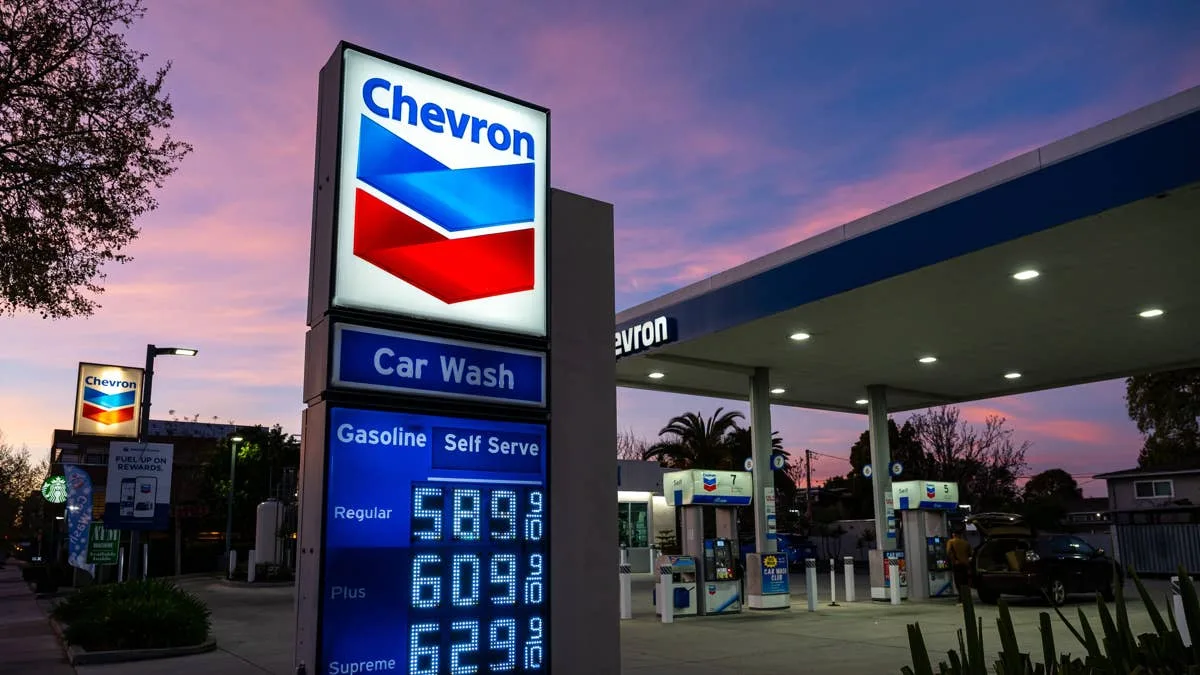
American drivers have grown accustomed to fluctuating prices at the gas station, but oil industry executives are now delivering a pointed message: the forces governing what consumers pay for fuel are more complex and less controllable than political rhetoric often suggests. The candid posture from industry leaders reflects growing frustration with public misunderstanding of how global commodity markets actually function.
Crude oil is priced on international markets, meaning domestic production decisions by U.S. companies alone cannot insulate American consumers from price swings driven by OPEC supply choices, geopolitical disruptions, or shifts in global demand. Executives appear eager to make that structural reality plain, pushing back against the notion that simply drilling more on U.S. soil would deliver reliably cheap gasoline.
Read more June 14 in History: A Date Worth Remembering →
The timing of the industry's messaging carries its own significance. With energy policy under intense political scrutiny, oil company leaders are navigating a delicate balance — defending their profitability while also explaining why lower prices are not purely a function of corporate willpower or regulatory change. That tension between business interests and public expectation has rarely been more visible.
For everyday consumers, the subtext is sobering: gas prices respond to a web of global variables that no single government or company fully controls. Analysts have long noted that refinery capacity, seasonal demand patterns, and currency fluctuations all compound the volatility that originates in the crude market itself. Executives are, in effect, urging Americans to calibrate their expectations accordingly rather than seeking simple villains when prices spike.
Whether that message lands with a skeptical public remains an open question, but the willingness of industry leaders to speak so directly signals a shift in how oil companies are choosing to engage with the political and consumer backlash over energy costs. Continue reading at Yahoo Finance.