Stable Food Prices Expected to Ease Nigeria's Inflation in May 2026
Analysts forecast continued inflation relief in May 2026, with food price stability identified as the key driver behind the projected easing.
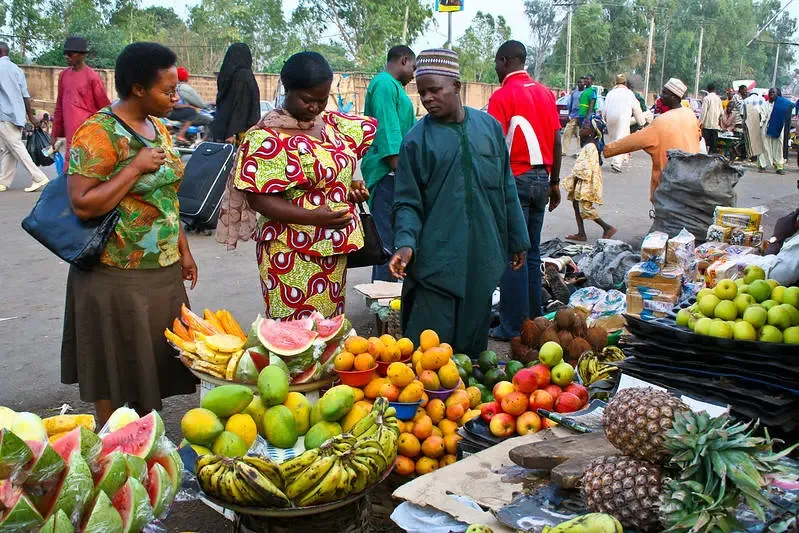
Nigeria's inflation trajectory appears poised for further moderation heading into May 2026, with stable food prices emerging as the central force behind analyst expectations of continued easing. Food costs have historically carried outsized weight in Nigeria's consumer price index, making their stabilization a meaningful signal for the broader inflation outlook.
The forecast suggests that if food markets maintain their current equilibrium, headline inflation could record another month of decline — a development that would offer tangible relief to Nigerian households who have faced sustained cost-of-living pressures over recent years. The connection between food supply dynamics and national inflation metrics is particularly acute in economies where food represents a large share of household expenditure.
Read more June 14 in History: A Date Worth Remembering →
From an analytical standpoint, sustained food price stability is rarely accidental. It typically reflects a combination of improved domestic agricultural supply, relative currency steadiness affecting import costs, and effective distribution logistics. Whether the current calm reflects structural improvements or temporary market conditions will be critical to watch in the months ahead.
For policymakers at the Central Bank of Nigeria, a second consecutive month of easing inflation could reinforce the case for a more accommodative monetary stance, though officials are likely to remain cautious given how quickly food price shocks can reverse disinflationary trends. The interplay between monetary policy decisions and real-economy food supply factors will define Nigeria's inflation story through mid-2026.
Continue reading at Leadership (Bukola Aro-Lambo)