Oil Prices Slip as Hormuz Strait Exports Near 9M Barrels Daily
Crude futures pulled back Wednesday after the U.S. reported nearly 9 million barrels per day flowing through the Strait of Hormuz.
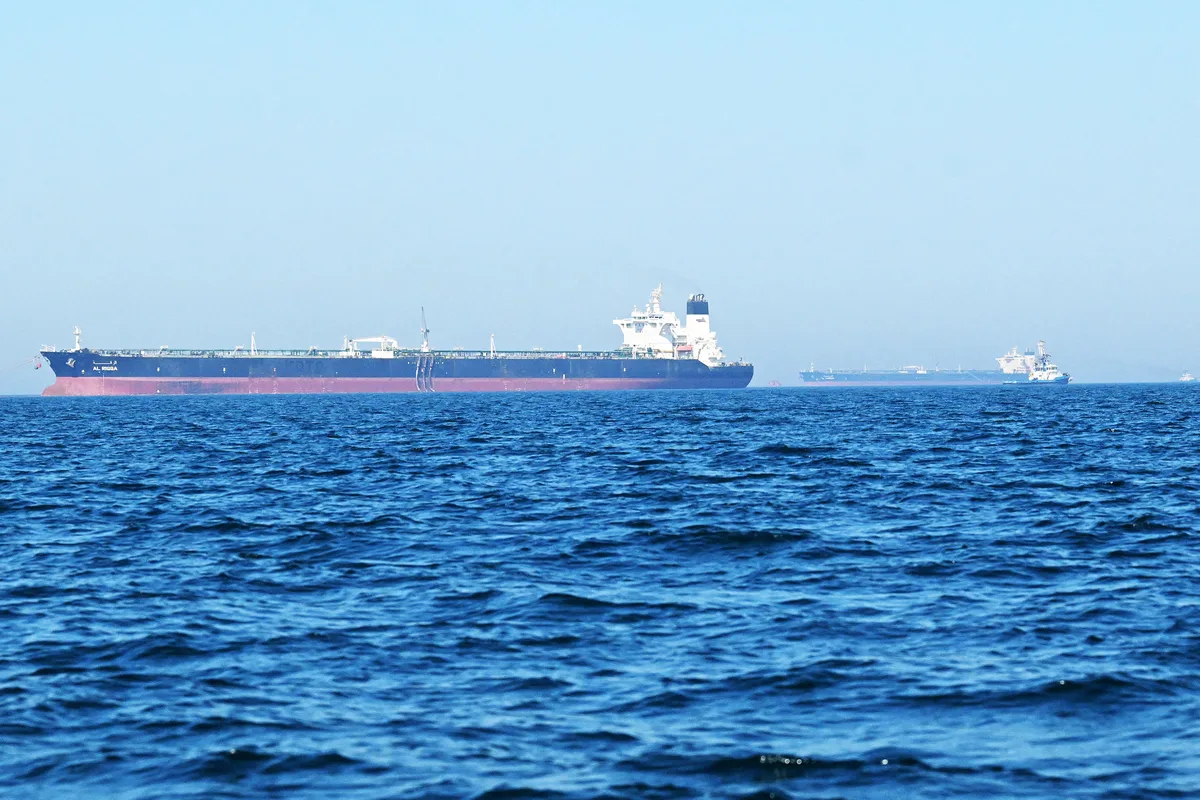
Oil futures gave back overnight gains in early Wednesday trading after the United States disclosed that crude exports moving through the Strait of Hormuz were approaching 9 million barrels per day — a figure that signals the critical Persian Gulf chokepoint remains highly active despite persistent geopolitical tensions in the region.
The Strait of Hormuz is one of the world's most strategically vital energy corridors, connecting Middle Eastern oil producers to global markets. When U.S. data confirms robust throughput at those levels, it can ease supply-anxiety premiums that traders had previously baked into prices, helping explain the pullback from overnight highs.
Read more Norway's Sovereign Wealth Fund Names Nvidia Its Top Holding →
The retreat illustrates how quickly sentiment can shift in commodity markets. Prices had climbed during the prior session, likely on concerns about regional instability, only to reverse once hard supply data offered a clearer picture of actual export flows. That kind of volatility underscores the degree to which oil markets are priced not just on present supply and demand, but on the perceived risk of future disruption.
For consumers and policymakers alike, sustained high throughput through Hormuz is a stabilizing signal. If exports through the strait remain near 9 million barrels per day, it suggests that no meaningful supply blockage has materialized — at least for now — which could keep a lid on any broader inflationary pressure from energy costs.
Continue reading at US Top News and Analysis.