Oura Files for IPO as Wearable Health Tracking Goes Mainstream
Smart-ring maker Oura is pursuing a public offering, betting that Americans' appetite for biometric self-monitoring is a durable business trend.
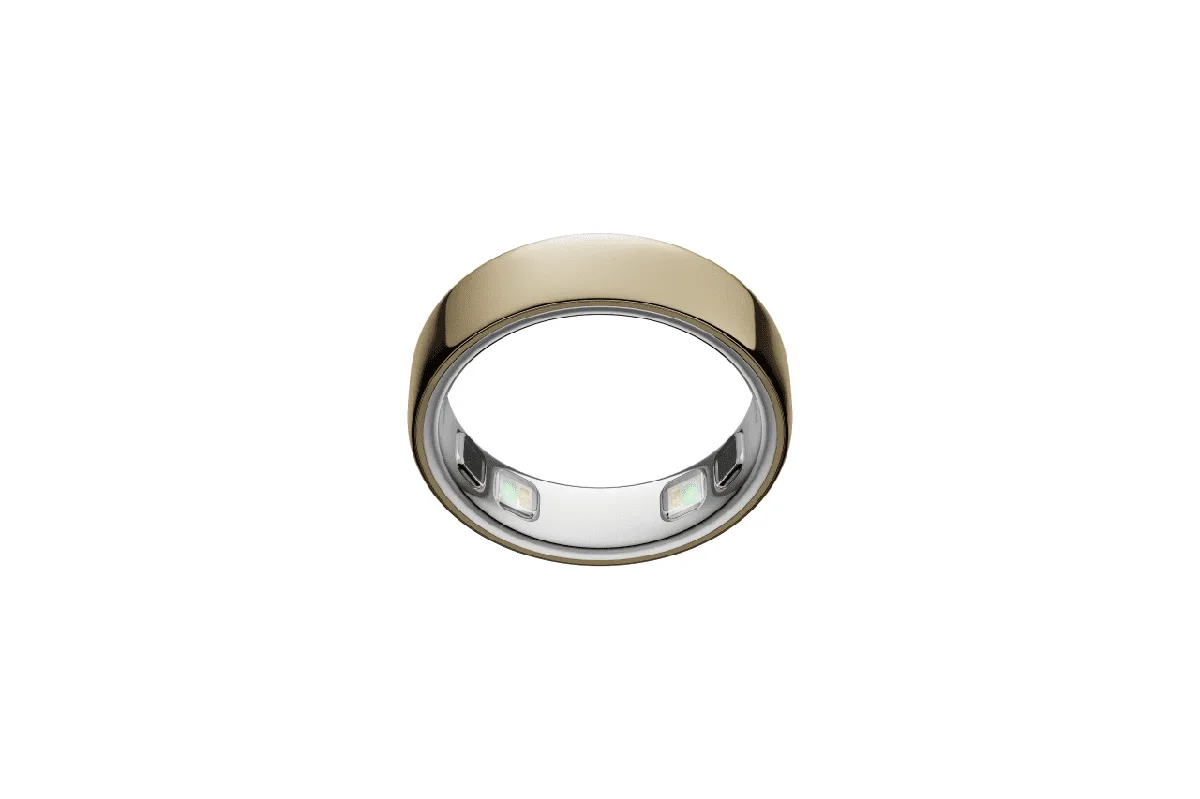
Oura, the Finnish company behind the sleek smart ring that tracks sleep quality, heart rate, and daily activity, has filed for an initial public offering — a move that signals just how seriously Wall Street is beginning to treat the consumer health-monitoring space. The company's IPO ambitions arrive at a moment when millions of Americans have made biometric self-awareness a daily ritual, refreshing readiness scores and sleep stage breakdowns the way an earlier generation checked the morning weather.
The filing fits squarely into a broader industry narrative that pairs wearable technology with what the sector calls "preventative healthcare" — the idea that continuous, passive monitoring of one's body can surface warning signs before they become clinical problems. That framing is commercially potent: it elevates a consumer gadget into something closer to a medical tool, commanding both higher price points and, crucially, subscription revenue that investors reward with premium valuations.
Read more Analyst Sets $400 Nvidia Target, Calling NVDA 'Extremely Cheap' →
Oura's timing is notable. The wearables market has grown increasingly crowded, with Apple Watch, Fitbit (now under Google), and Samsung's Galaxy rings all competing for wrist and finger real estate. Yet Oura has carved a defensible niche by focusing on sleep science and a form factor — a ring — that many users find less obtrusive than a smartwatch. Its loyal, health-conscious customer base and recurring membership fees give it the kind of revenue profile that IPO underwriters tend to find attractive.
The deeper question public-market investors will need to answer is whether the preventative-healthcare story can sustain growth once the early-adopter wave crests. Wearable enthusiasm has historically been prone to churn: devices get charged less frequently, subscriptions lapse, and the novelty of biometric data fades. Oura's ability to demonstrate that its users remain engaged over years — not just months — may ultimately determine whether this IPO launches a lasting public company or becomes a cautionary tale about consumer hardware economics.
Continue reading at MarketWatch.com