Seahawks Player Montorie Foster Jr. Earned Real Estate License Before Super Bowl Ring
NFL cornerback Montorie Foster Jr. blended athletic ambition with financial planning, securing a real-estate license ahead of his Super Bowl win.
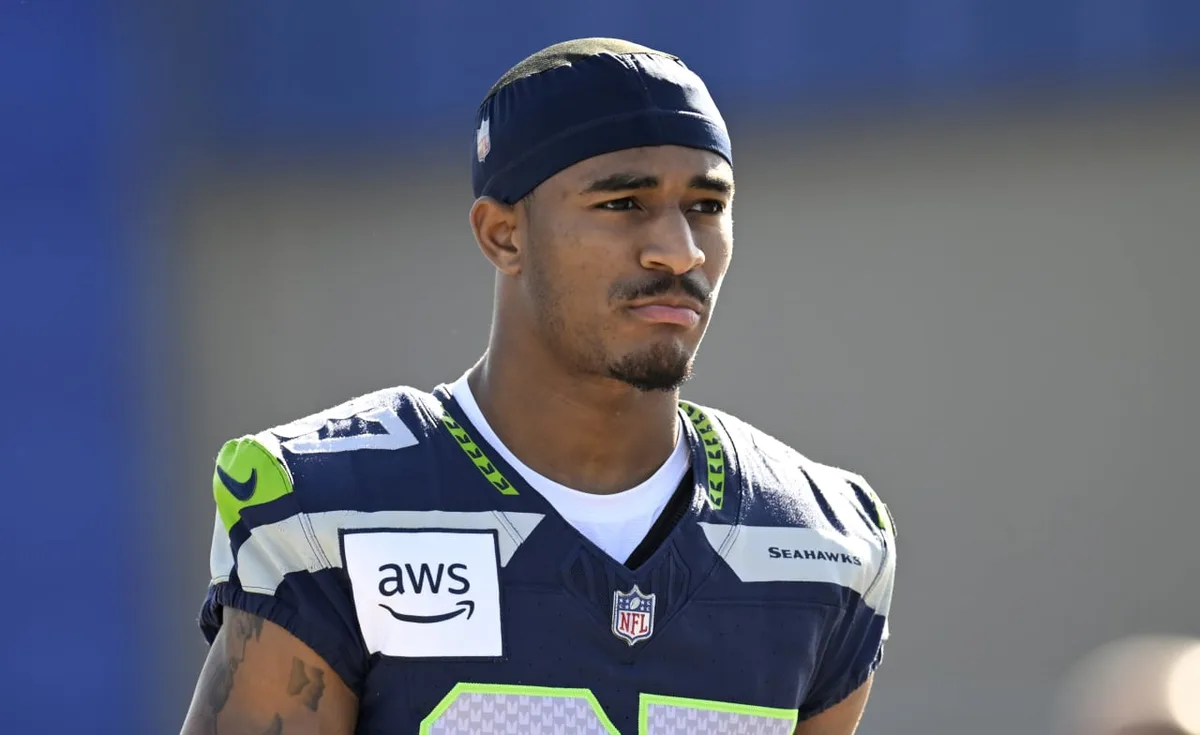
For most professional athletes, the offseason is a time for recovery and training. For Montorie Foster Jr., cornerback for the Seattle Seahawks, it was also an opportunity to build a second career — one rooted in real estate. Foster pursued and obtained his real-estate license before his team hoisted the Super Bowl trophy, a sequence that speaks to a growing trend of players treating long-term financial planning as seriously as their sport.
What makes Foster's story particularly compelling is the way he leveraged his athletic identity in the marketplace. According to the MarketWatch report, he brought his Super Bowl ring to open houses — a detail that illustrates how professional athletes can translate their public profiles into business credibility. In a competitive real-estate environment, name recognition and personal branding can open doors that credentials alone might not.
Read more Managing a Power of Attorney, Executor, and Trustee Role Together →
The intersection of professional sports and real estate is nothing new, but Foster's proactive approach — securing licensure before championship success, not after — signals a level of discipline that mirrors the preparation demanded on the field. Many athletes wait until retirement to pursue secondary careers, often scrambling to find footing in unfamiliar industries. Foster's timeline inverts that pattern, suggesting that the habits cultivated through elite athletics — goal-setting, accountability, delayed gratification — translate directly into entrepreneurial preparation.
From a broader financial literacy perspective, Foster's dual pursuit reflects an important shift in how younger NFL players think about wealth preservation and income diversification. The average NFL career lasts fewer than four years, and the financial pitfalls facing players post-retirement are well documented. Establishing a licensed profession while still active offers both a psychological hedge and a practical income stream, reinforcing a model that financial advisors have long recommended for professional athletes.
Continue reading at MarketWatch.com