SpaceX-Linked ETFs Draw Massive Inflows Amid Trading Frenzy
Newly launched leveraged ETFs tied to SpaceX exposure are attracting heavy investor inflows as enthusiasm for the private space giant surges.
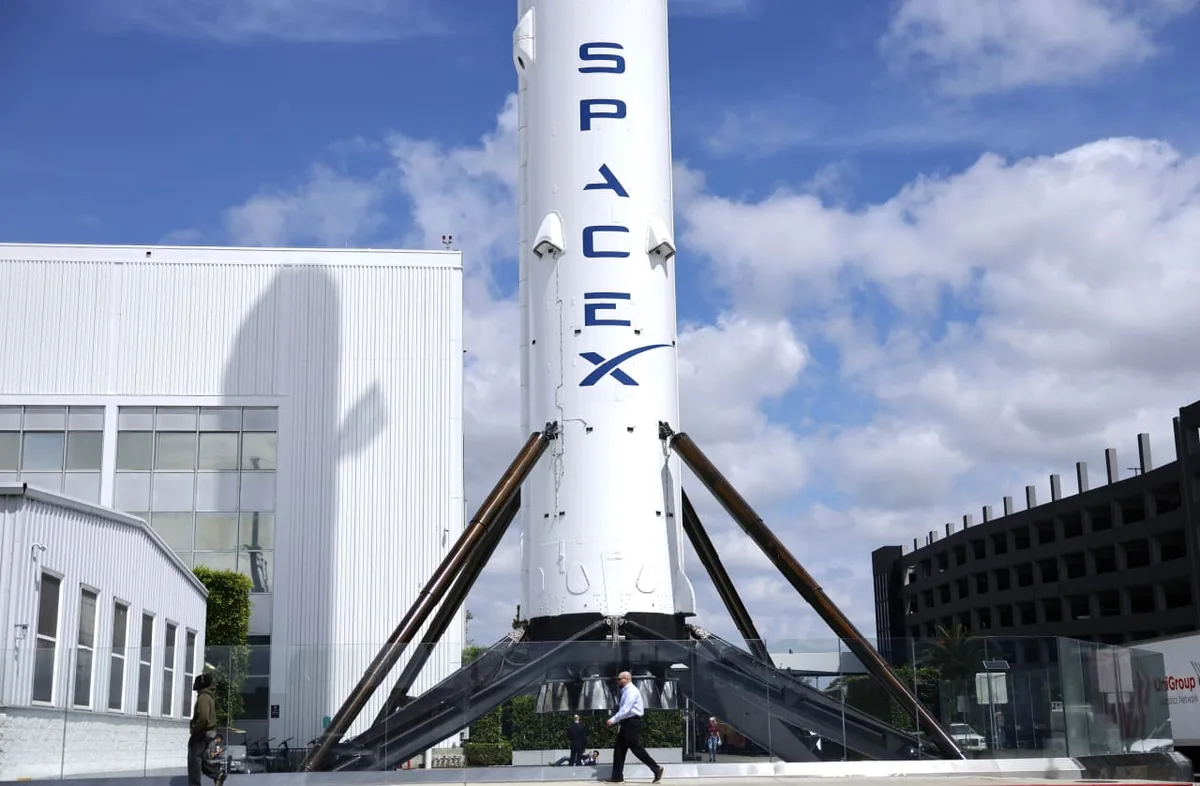
The private-market mystique surrounding SpaceX has spilled decisively into public markets, with newly launched leveraged exchange-traded funds drawing what observers are describing as extraordinary cash inflows. The surge reflects a broader investor hunger for exposure to one of the most closely watched private companies in the world — one that remains deliberately off-limits to ordinary shareholders through conventional equity channels.
Leveraged ETFs, by design, amplify the underlying exposure they track, meaning investors chasing SpaceX-linked products are accepting magnified risk in exchange for the possibility of outsized returns. That dynamic makes the heavy inflows notable: it suggests retail and institutional players alike are willing to absorb significant volatility to gain even indirect proximity to SpaceX's valuation trajectory.
Read more Robinhood Markets: What Analysts Are Watching Now →
The frenzy around these products speaks to a structural tension in modern markets. SpaceX's continued private status has created a scarcity premium — demand for exposure vastly outpaces the available legitimate instruments, leaving financial engineers to construct derivative vehicles that approximate, rather than replicate, true ownership. ETF wrappers have become the populist workaround.
What makes the current moment analytically interesting is less the enthusiasm itself — SpaceX has long commanded cult-like investor attention — and more the speed and scale at which capital is rotating into brand-new, largely untested products. Rapid inflows into leveraged instruments with short track records have historically been a marker worth watching for signs of speculative excess, even when the underlying thesis is fundamentally sound.
For now, the market is voting loudly that SpaceX's story is far from fully priced — even if the precise mechanism for doing so remains imprecise at best. Continue reading at MarketWatch.com