SpaceX's $2.1 Trillion Valuation Could Become a Growth Trap
At $2.1 trillion, SpaceX faces the classic paradox of scale: the bigger you get, the harder it is to outpace the market.
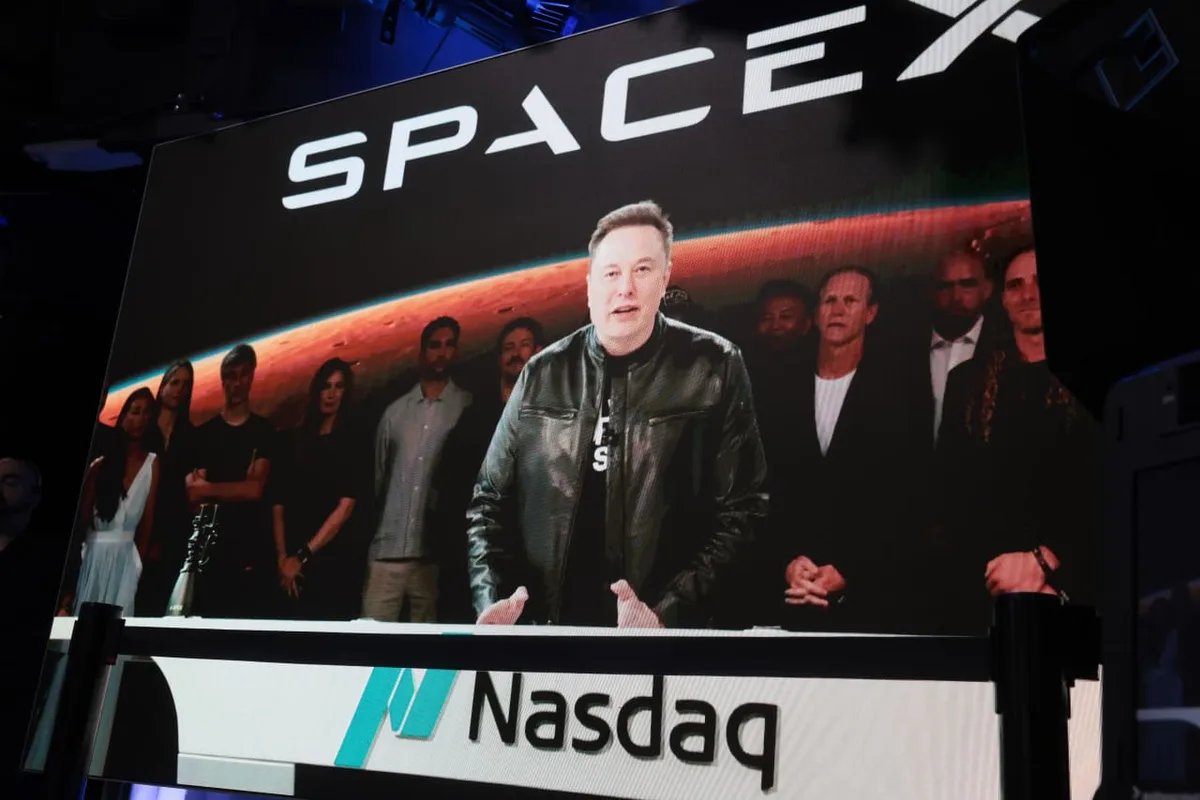
SpaceX has ascended to a valuation of $2.1 trillion, a figure that places it among the most valuable entities on earth and cements Elon Musk's rocket company as a generational business story. But that stratospheric number carries a hidden liability — one that has humbled even the most dominant companies in modern financial history.
The core problem is mathematical. When a company reaches a multi-trillion-dollar valuation, the absolute dollar gains required to deliver meaningful percentage returns become enormous. A 10% gain on a $2.1 trillion base requires adding $210 billion in value — a sum that would itself constitute a large-cap company. This is the scale paradox that has repeatedly constrained the growth trajectories of the world's largest firms, and SpaceX is now entering that same gravitational field.
Read more How a U.S.-Iran Deal Could Push Gas Prices Lower →
Historically, the biggest companies in any given era have tended to underperform the broader market over the years that follow their peak valuations. Size alone becomes a structural headwind, not because the underlying business deteriorates, but because the expectations baked into a massive valuation leave little room for the kind of upside surprise that drives outsized returns. Investors who buy at the top of a valuation curve often find themselves waiting years for the business to grow into its price.
For SpaceX, which remains privately held, the dynamics are somewhat different than for a publicly traded mega-cap — but the fundamental tension between scale and growth velocity is identical. Any future public offering or secondary market pricing would inherit this challenge directly, forcing prospective investors to weigh an extraordinary business against an already extraordinary price tag.
The lesson from market history is not that great companies stop being great, but that greatness at scale is already priced in. SpaceX's technological ambitions may well justify its valuation over a long enough horizon — but the sheer weight of $2.1 trillion means the margin for error, and the potential for market-beating returns, has narrowed considerably. Continue reading at MarketWatch.com