SpaceX's Early Momentum Faces the Test of Real Valuation
SpaceX has surged out of the gate, but meaningful price discovery for its stock remains elusive as key milestones loom.
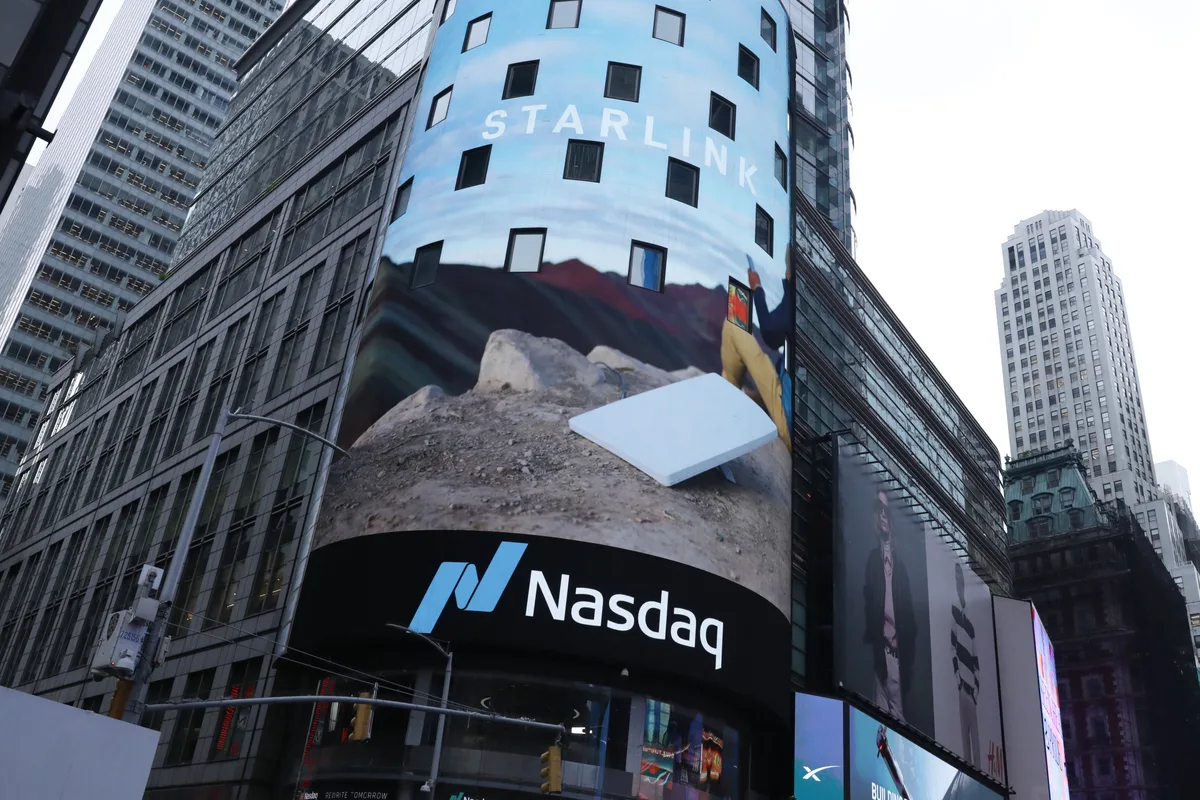
SpaceX has built an extraordinary early reputation as both a technical and commercial force, but the company's stock has yet to undergo the rigorous price discovery that would reveal what it is truly worth. For all its headline-grabbing achievements, investors have not yet had a genuine reckoning with the underlying financials and risk factors that typically discipline a public market valuation.
Price discovery — the process by which buyers and sellers collectively determine what an asset is fairly worth — is the central challenge hanging over SpaceX's equity. Because the company remains privately held and trades only in limited secondary markets, the usual mechanisms that sharpen valuations are largely absent. That structural gap means the current implied valuation reflects enthusiasm and narrative more than hard-nosed analysis of cash flows, competition, and execution risk.
Read more Robinhood Markets: What Analysts Are Watching Now →
The tests that lie ahead are consequential. SpaceX must demonstrate that its ambitious programs can translate into durable, scalable revenue streams rather than milestone-driven bursts of activity. Investors watching from the sidelines — and those already holding shares through secondary vehicles — will be scrutinizing whether the company's operational cadence can support the premium baked into its perceived worth.
What makes this moment analytically interesting is that SpaceX sits at the intersection of government contracting, commercial satellite services, and long-horizon bets like Mars colonization. Each of those vectors carries a distinct risk profile, and the market has not yet been forced to weight them with precision. A blistering start is a genuine asset, but it is not a substitute for the discipline that open-market trading eventually imposes on even the most celebrated ventures.
Continue reading at US Top News and Analysis