Strait of Hormuz Reopening: What a U.S.-Iran Deal Could Mean
A potential U.S.-Iran agreement could revive tanker traffic through the Strait of Hormuz, though analysts caution a full return to prewar volumes remains uncertain.
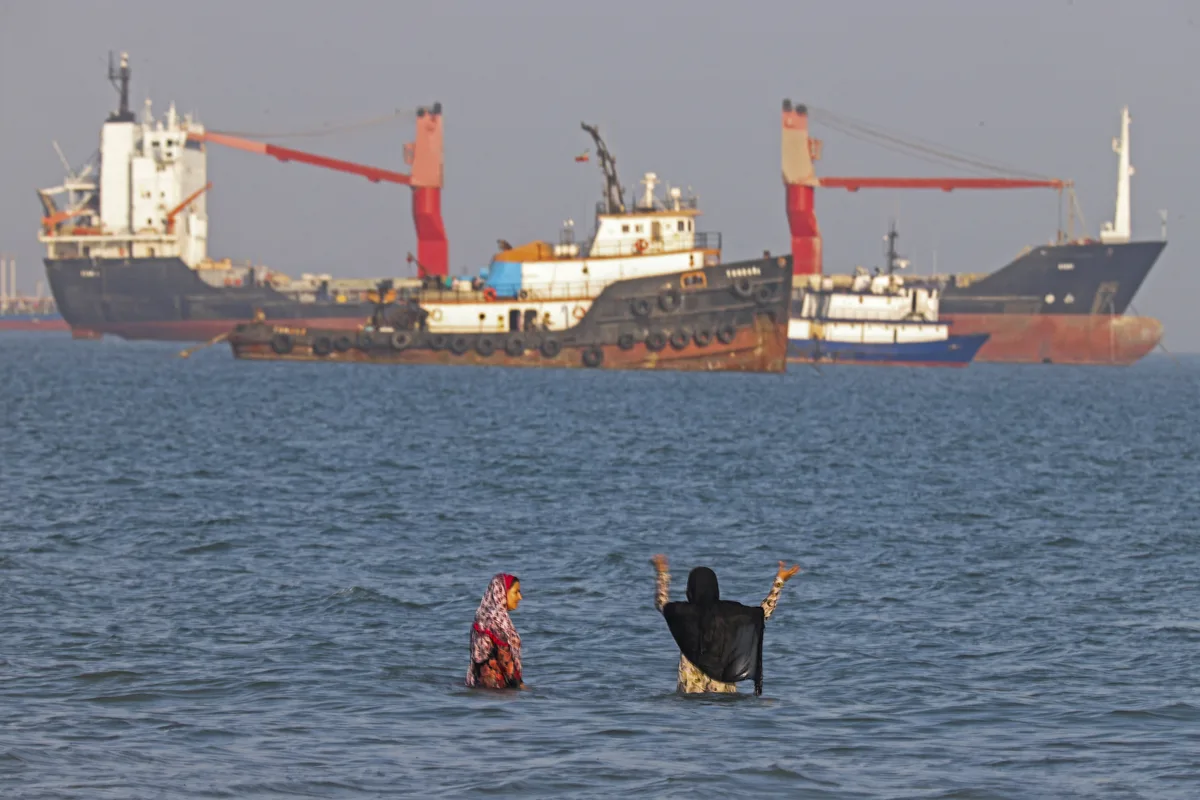
The Strait of Hormuz, the narrow chokepoint through which a significant share of the world's seaborne oil passes, could see a rapid uptick in tanker activity if a nuclear or diplomatic agreement between Washington and Tehran is implemented. According to commodity intelligence firm Kpler, vessel traffic could rebound relatively quickly once the political framework is in place — but the path back to prewar transit levels is far from guaranteed.
The distinction matters enormously for global energy markets. A swift but partial recovery in Hormuz traffic would ease some of the supply anxiety that has kept risk premiums embedded in crude prices, yet it would still leave traders and refiners managing uncertainty about the straits' long-term reliability. Any deal that lacks ironclad verification mechanisms could see the situation reverse just as quickly as it improves.
Read more How a U.S.-Iran Deal Could Push Gas Prices Lower →
From a geopolitical standpoint, the reopening scenario underscores how tightly linked Iran's foreign policy posture remains to the functioning of a waterway that connects Persian Gulf producers — Saudi Arabia, Iraq, Kuwait, and the UAE among them — to the rest of the world. Tehran has repeatedly signaled its willingness to use the strait as leverage, making durable normalization dependent on more than a single diplomatic transaction.
Market participants are watching closely because even incremental increases in Hormuz throughput could affect oil price trajectories at a moment when OPEC+ production decisions and slowing global demand growth are already complicating the supply-demand picture. Kpler's analysis suggests the mechanics of reopening are operationally feasible in the near term; the harder question is whether political conditions will hold long enough for shipping patterns to normalize meaningfully.
The stakes extend beyond crude oil to liquefied natural gas, refined products, and petrochemical shipments that also transit the strait, meaning the ripple effects of any deal — or its collapse — would be felt across multiple commodity markets simultaneously. Continue reading at US Top News and Analysis.