TikTok Creators Are Turning Tap-to-Pay Into a Fashion Statement
Social media influencers are customizing payment accessories, blending everyday checkout with personal style in a growing trend.
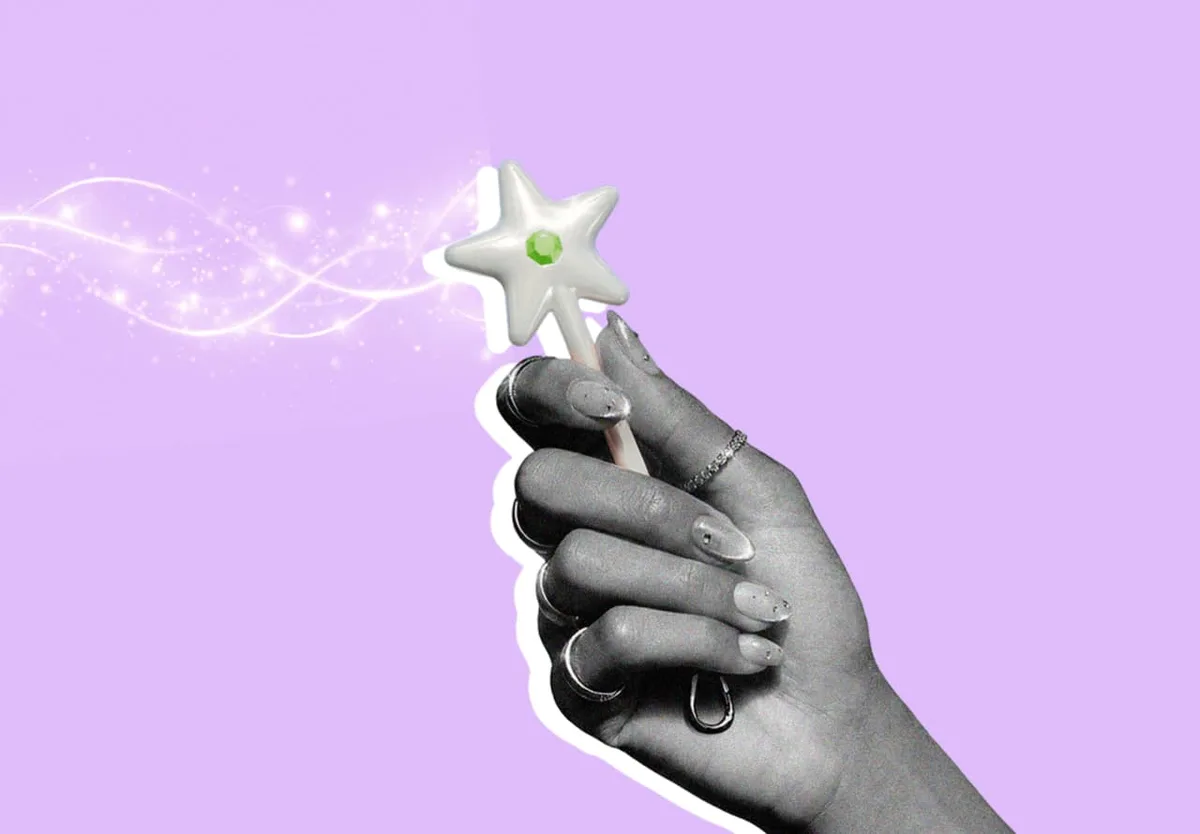
The humble tap-to-pay transaction is undergoing a distinctly Gen Z transformation. Where credit cards and phone wallets once represented the ceiling of contactless payment innovation, social-media influencers — particularly on TikTok — are now wielding stylized "magic wand" devices that turn the checkout moment into a curated, on-brand experience. The trend signals something broader than novelty: it reflects a generation's insistence that even mundane financial interactions carry aesthetic weight.
The appeal is straightforward once you understand TikTok's visual economy. On a platform where everyday routines are packaged as content, pulling out a whimsical, personalized payment accessory becomes its own micro-performance. The checkout counter, traditionally dead air between desire and acquisition, is being reimagined as shareable content. That instinct — to render the functional beautiful and the private public — has already reshaped industries from fashion to fitness, and payments appear to be next in line.
Read more At 59½, Your 401(k) Can Roll Over While You Still Work →
For financial technology companies and card issuers, the moment is worth watching closely. Consumer behavior research has long shown that friction reduction drives payment adoption, but this trend introduces a new variable: emotional resonance. If people feel a genuine connection to the physical object facilitating a transaction, loyalty and usage frequency could follow. That's a branding opportunity that traditional card networks and fintech startups alike are unlikely to ignore for long.
The wider cultural context matters here too. Younger consumers have grown up in an era when personalization is table stakes — from phone cases to sneaker customization to Spotify playlists algorithmically tailored to mood. Extending that logic to payment hardware is less a disruption than a natural progression. Whether the trend scales beyond social-media-savvy early adopters into mainstream retail behavior remains the open question.
Continue reading at MarketWatch.com