Trump Predicts Oil Prices Won't Drop Until After Midterms
President Trump says elevated energy prices tied to the Iran conflict will persist through the midterm elections before falling.
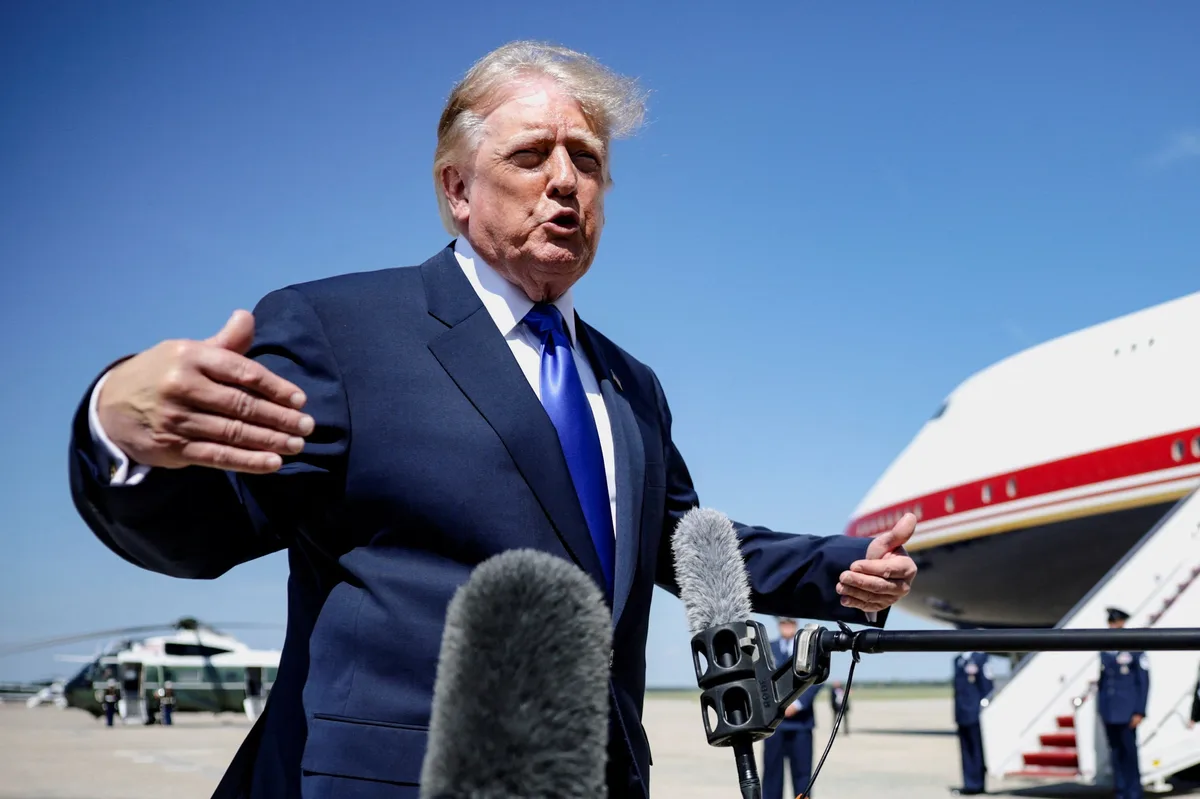
President Donald Trump offered a candid — and politically unusual — forecast this week, acknowledging that oil and gas prices driven higher by the ongoing Iran conflict are unlikely to ease until after the midterm elections. The admission is notable precisely because sitting presidents rarely concede that energy relief is months away, particularly heading into an election cycle where consumer costs are among voters' sharpest grievances.
Energy prices have surged in the wake of hostilities with Iran, squeezing household budgets and rattling financial markets already sensitive to geopolitical risk. When a commander-in-chief publicly pins a timeline to price relief — especially one that lands conveniently after an electoral contest — it invites scrutiny about both the underlying economics and the political messaging strategy at work.
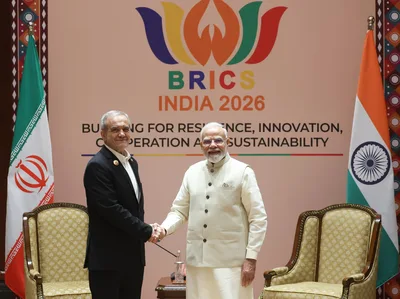
Read more Iran's President Vows No Surrender to US as India Calls for Peace →
From a policy standpoint, Trump's remarks suggest the administration does not anticipate a near-term diplomatic breakthrough or supply-side correction sufficient to meaningfully reduce prices before voters head to the polls. That framing could either dampen enthusiasm among cost-burdened constituents or, alternatively, serve as expectation management designed to minimize midterm blame by lowering the bar for what counts as progress.
The intersection of war, energy markets, and electoral politics has historically been treacherous terrain for incumbents. Sustained high fuel prices tend to function as a stealth tax on middle- and working-class households, eroding real purchasing power in ways that polling consistently shows translate into voter dissatisfaction with the party in power. Whether Trump's unusual candor proves a liability or a shrewd form of preemptive messaging remains an open question as the midterm campaign season intensifies.
Continue reading at US Top News and Analysis.