Trump Threatens 100% Wine Tariffs to Force France to Drop Tech Tax
President Trump is pressuring France to scrap its digital services tax on U.S. tech firms by threatening steep tariffs on French wine ahead of the G7.
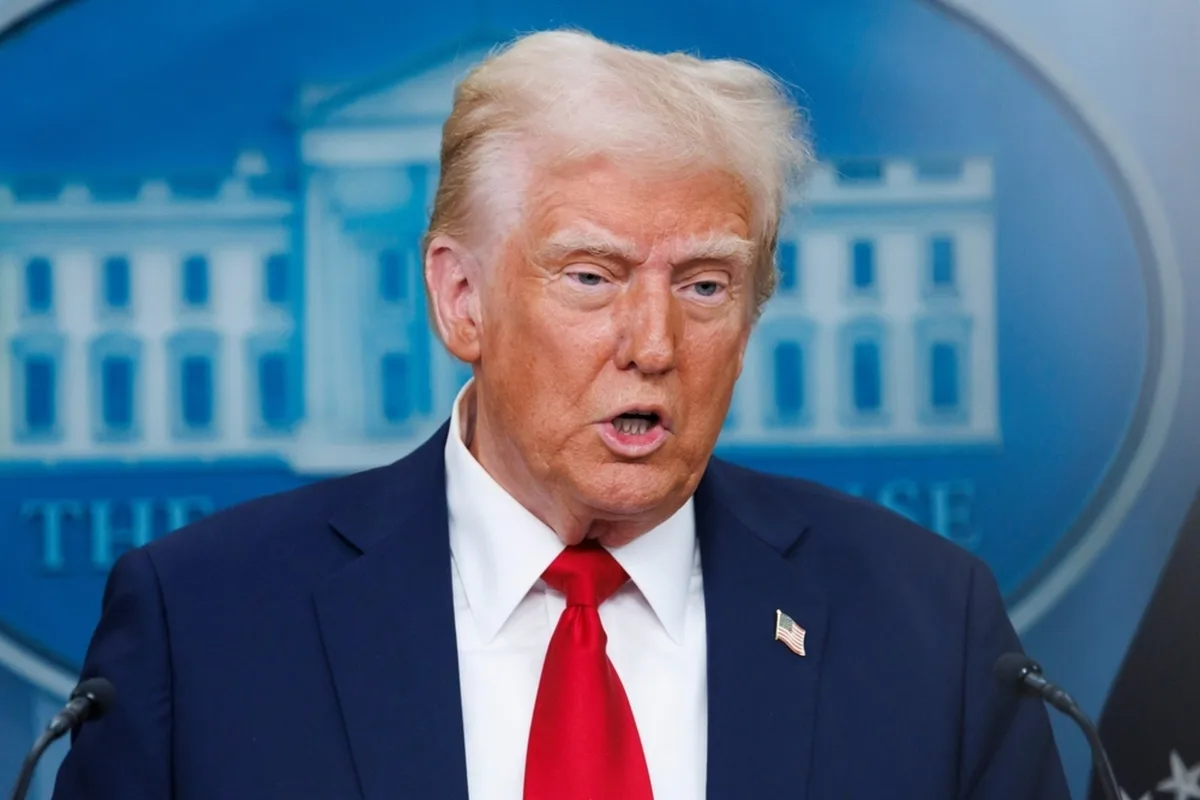
President Donald Trump has escalated trade pressure on France by threatening to impose 100% tariffs on French wine if the Macron government refuses to eliminate its digital services tax targeting major American technology companies, including Amazon, Apple, and Meta. The ultimatum arrives as world leaders prepare to convene at the G7 summit, injecting fresh tension into what is already a fraught moment in transatlantic economic relations.
France's digital services tax — a levy designed to capture revenue from large technology platforms operating in the country — has long been a flashpoint between Washington and Paris. American officials have consistently argued that the tax unfairly singles out U.S. companies, effectively functioning as a discriminatory trade barrier dressed up in the language of fiscal policy. Trump's latest threat signals that the White House views the issue as unresolved and is willing to weaponize access to the American consumer market to force a resolution.
Read more Iran Peace Deal Unlikely to Alter BOJ Rate-Hike Path, Expert Says →
The choice of wine as the targeted commodity is not incidental. French wine exports to the United States represent a significant slice of the bilateral trade relationship, and a 100% tariff would effectively double the price of those products for American importers and consumers. The move mirrors a negotiating playbook Trump has deployed elsewhere — identifying a high-profile, symbolically resonant export from a trading partner and threatening to make it economically unviable unless concessions are made.
What makes this standoff analytically interesting is the timing. G7 summits are typically choreographed to project unity among Western allies, and an open tariff confrontation between the U.S. and France would complicate that optic considerably. It also places European leaders in a difficult position: backing down on the tech tax could be read domestically as capitulating to American corporate interests, while holding firm risks genuine economic damage to French exporters.
The broader pattern here is one of the United States using market access as leverage in disputes that extend well beyond conventional trade — reaching into tax policy, regulatory sovereignty, and the governance of the digital economy. Whether this pressure campaign produces a negotiated outcome or hardens French resistance remains to be seen. Continue reading at Benzinga.