U.S.-Iran Talks Lift Stocks and Ease Oil Prices, Crypto Holds Back
Diplomatic progress between Washington and Tehran boosted equities and pushed oil lower, but crypto markets remained cautious.
A fresh wave of diplomatic signaling between the United States and Iran moved traditional financial markets in opposite directions on Monday, with equity indexes climbing on reduced geopolitical risk while crude oil prices retreated on the prospect of eased supply constraints. The divergence reflects how sensitive energy markets remain to any shift in Middle East tensions, where Iranian export capacity sits as a constant variable in global supply calculations.
For stock markets, the optics of de-escalation were enough to nudge sentiment higher. Investors have grown accustomed to reading diplomatic headlines as short-term risk-off releases, and the reported progress in U.S.-Iran discussions fit that pattern neatly. Lower oil prices simultaneously reduce input costs across industries, compounding the bullish read for equities even if the underlying deal details remain fluid.
Read more How a U.S.-Iran Deal Could Push Gas Prices Lower →
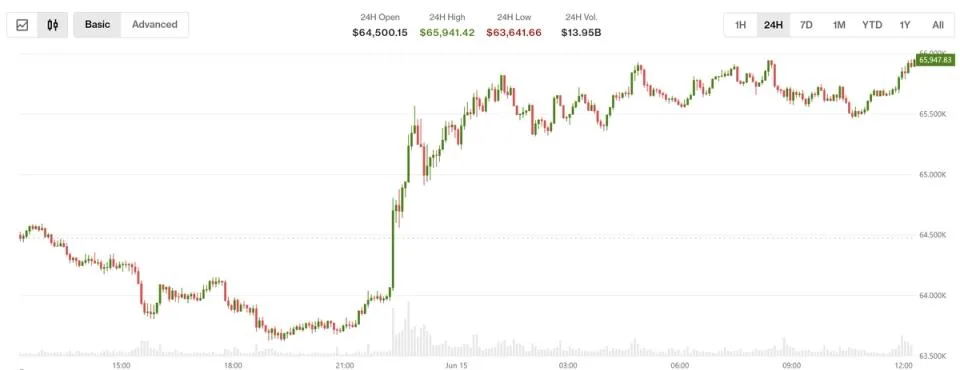
Cryptocurrency markets, however, did not follow the optimistic script. Bitcoin and the broader digital asset space held largely flat, signaling that crypto traders are either discounting the geopolitical narrative entirely or remain focused on distinct macro pressures — including persistent uncertainty around Federal Reserve policy and lingering regulatory overhang in the United States. This behavioral split is analytically meaningful: it suggests crypto has not yet cemented its identity as a pure risk-on asset that moves in lockstep with equities during periods of easing tension.
The episode is a useful case study in how different asset classes interpret the same headline. Oil markets price physical scarcity and real-world supply routes; equities price corporate earnings potential and aggregate demand; and crypto, still maturing as an asset class, appears to price something else — a mix of liquidity conditions, retail sentiment, and regulatory expectations that geopolitical calm does not automatically improve. Whether that independence is a feature or a sign of crypto's continued disconnection from macro fundamentals remains an open question for institutional allocators watching cross-asset correlations in real time.
Continue reading at CoinDesk.