U.S. Plays Down Iran's Seizure of Unmanned Sub in Hormuz Strait
Washington and Tehran exchanged fresh provocations near the Strait of Hormuz as Trump predicted a swift oil price drop once hostilities end.
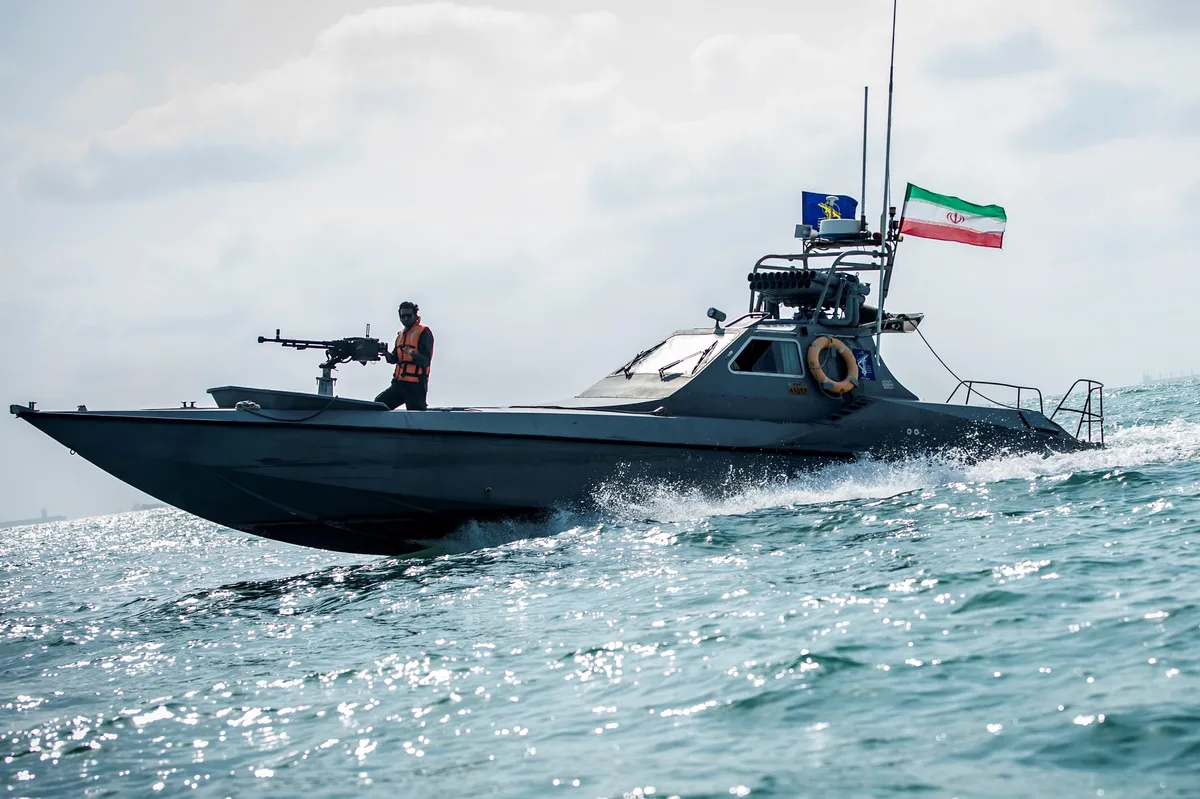
Tensions in one of the world's most strategically consequential waterways escalated again as the United States and Iran exchanged new hostile actions around the Strait of Hormuz, the narrow chokepoint through which roughly a fifth of global oil supply passes. Iran's seizure of an unmanned American submarine marked a notable escalation in the ongoing confrontation, though Washington moved quickly to minimize the incident's significance — a posture that reflects both the diplomatic complexity of the moment and the administration's broader effort to control the narrative around the conflict.
President Donald Trump sought to shift attention toward economic outcomes, asserting that oil prices would fall sharply once the Iran conflict concludes. The claim carries political weight at a time when energy costs remain a sensitive domestic issue, but it also telegraphs the administration's calculation that a swift resolution — on American terms — would deliver tangible relief to consumers. Whether markets would respond as definitively as Trump suggests is far from certain, given the structural factors that influence crude pricing well beyond any single geopolitical flashpoint.
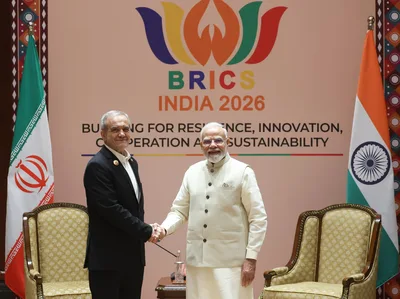
Read more Iran's President Vows No Surrender to US as India Calls for Peace →
The Strait of Hormuz has long functioned as a pressure valve in U.S.-Iran relations, with both sides using incidents there to signal resolve without necessarily triggering full-scale confrontation. Iran's decision to seize an unmanned vessel rather than a crewed one suggests a carefully calibrated provocation — aggressive enough to assert territorial leverage, restrained enough to avoid crossing thresholds that could compel a more forceful American response. Washington's decision to downplay the seizure follows a similar logic of managed escalation.
The broader pattern points to a conflict that neither side appears willing to fully de-escalate or dramatically intensify, leaving the region — and global energy markets — in a state of prolonged uncertainty. For investors and policymakers alike, the Hormuz corridor remains a live variable with the capacity to move oil prices, shipping insurance rates, and regional security calculations simultaneously. Continue reading at US Top News and Analysis.