What Markets Do When the Fed Chair Speaks at Jackson Hole
Kevin Warsh will deliver his first Jackson Hole address as Fed chair. History offers clues on how stocks typically react.
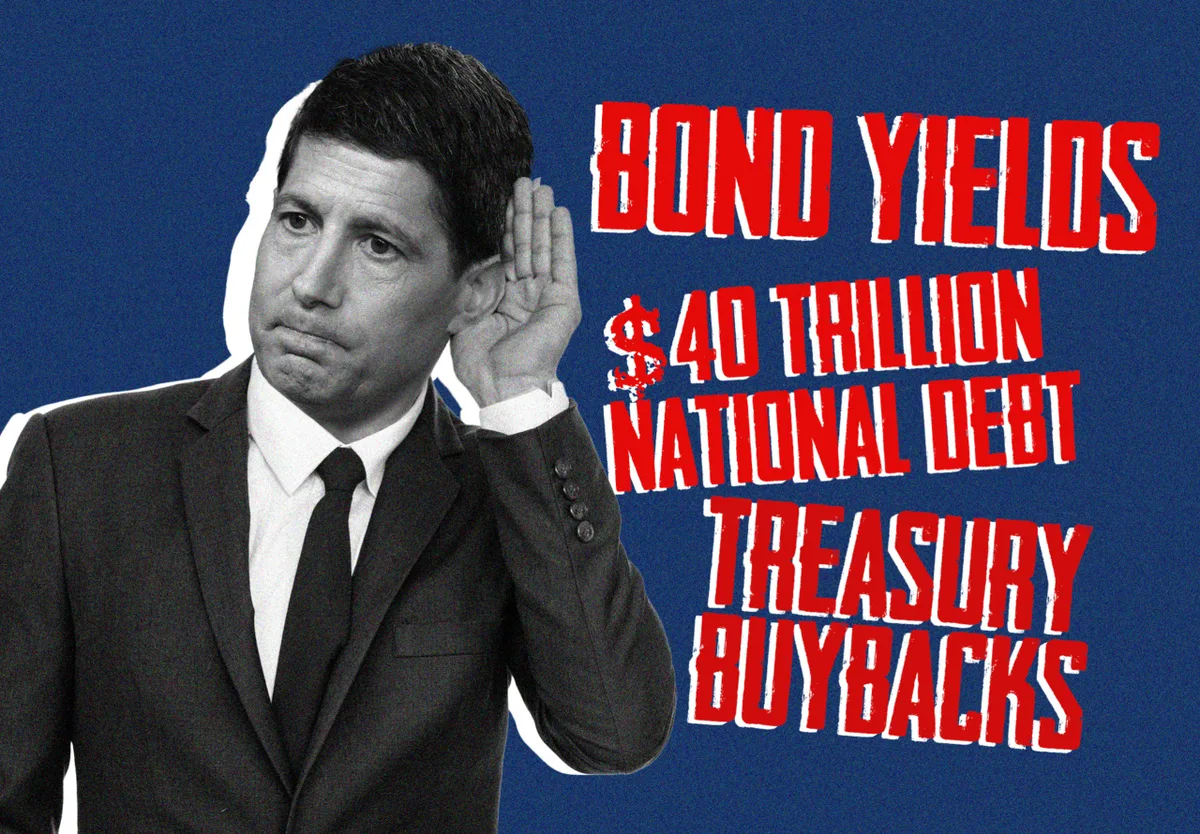
Every August, the Federal Reserve's annual economic symposium in Jackson Hole, Wyoming becomes one of the most closely watched events on Wall Street's calendar. This year carries extra weight: Kevin Warsh, newly installed as Fed chair, is set to deliver his first major public address in that role, and investors are parsing every historical precedent they can find to anticipate how equities might move in response.
Historically, Jackson Hole speeches by sitting Fed chairs have produced outsized market volatility — both to the upside and downside — depending on whether the tone surprises relative to prevailing expectations. When a chair uses the platform to signal a pivot or reinforce an existing policy path more firmly than anticipated, markets tend to react sharply within hours of the remarks. The symposium has functioned less as a venue for announcing specific rate decisions and more as a place where the intellectual framework guiding future policy gets telegraphed to a global audience.
Read more Apple's September Event and AI Stock Rally: What to Watch →
Warsh's debut on this stage is particularly consequential because markets remain uncertain about his policy instincts relative to his predecessor. A new Fed chair speaking at Jackson Hole for the first time introduces a layer of interpretive risk that veteran watchers say is distinct from any single data release. Investors will be listening not just for what he says about the current rate path, but for the underlying philosophy he brings to the central bank's dual mandate on inflation and employment.
The broader analytical challenge for traders is that Jackson Hole reactions are rarely uniform across asset classes. Equity indexes, bond yields, and the dollar can move in conflicting directions simultaneously as market participants weigh short-term rate implications against longer-term growth signals. That complexity makes positioning ahead of the speech a high-stakes exercise, particularly in an environment where monetary policy expectations have shifted repeatedly in recent quarters.
With so much institutional and retail attention focused on a single speech, the risk of a sharp misread — and a subsequent correction — is elevated. Whether Warsh delivers a hawkish, dovish, or deliberately ambiguous message, the market's first reaction may not be its last. Continue reading at MarketWatch.com