10 Stocks Both Nancy Pelosi and Donald Trump Own
The portfolios of two of America's most powerful political figures share at least 10 common stock holdings, revealing unexpected investment overlap.
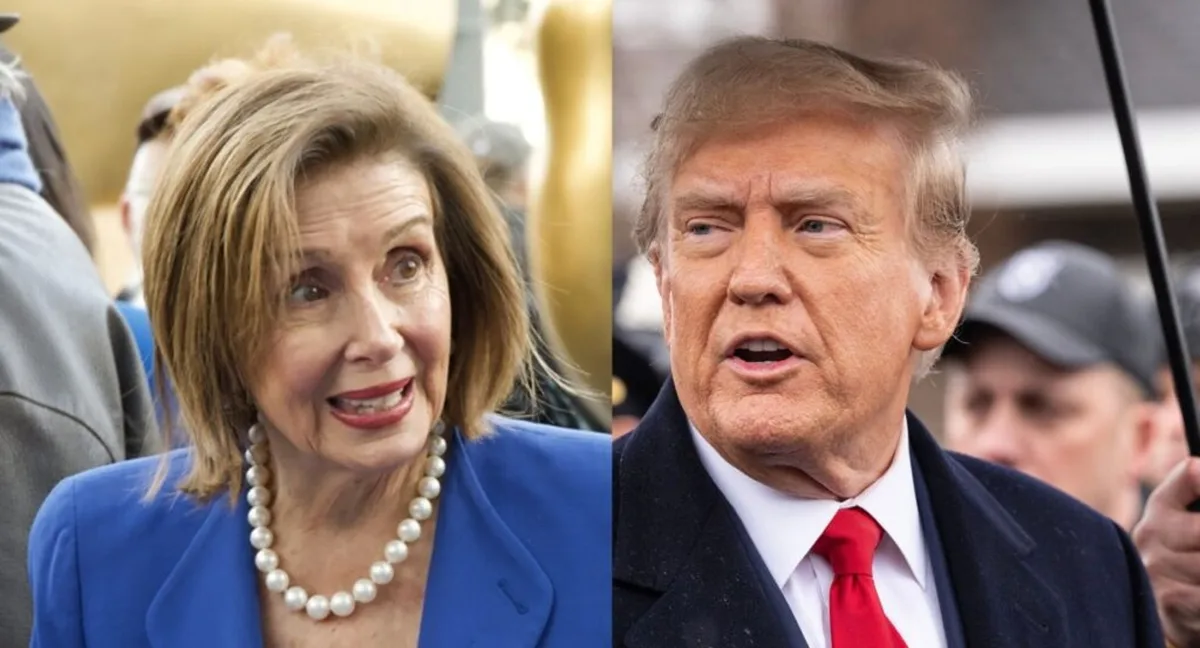
When two figures as politically opposed as Nancy Pelosi and Donald Trump agree on something, it tends to draw attention. That's precisely the situation unfolding in their disclosed investment portfolios, which share at least 10 stocks in common — a convergence that offers a rare window into how America's political elite allocates personal wealth regardless of party affiliation.
The overlap is notable not simply as political trivia but as a potential signal about where influential insiders see durable value. Both Pelosi and Trump have access to high-level economic briefings, industry relationships, and policy intelligence that most retail investors lack. When their independent investment decisions land on the same names, it raises legitimate questions about what those shared bets might reflect about market sentiment at the top of the political ladder.
Read more Binance Expands Into Gold and Silver Options Trading →
Pelosi's trading activity has been scrutinized for years, largely because congressional disclosure rules require lawmakers to report stock transactions — though critics argue the reporting window remains too wide to be truly transparent. Trump, as a former and current president, discloses holdings through separate federal ethics requirements. The fact that their portfolios intersect across at least ten positions suggests either shared conviction about certain sectors or the gravitational pull of the same blue-chip and technology names that dominate institutional portfolios broadly.
The political dynamics surrounding elite stock ownership have intensified in recent years, with repeated — and so far unsuccessful — legislative efforts to ban members of Congress from trading individual equities. Pelosi has consistently opposed such bans, while the Trump administration has shown little appetite for restricting executive branch financial activity. Their shared holdings are unlikely to quiet those debates. If anything, the convergence may reinvigorate calls for stricter disclosure timelines and outright trading restrictions for officials whose decisions can materially move markets.
For individual investors, the practical takeaway is nuanced: following political portfolios can be informative context, but disclosed trades often lag the actual transaction by weeks, limiting their utility as real-time signals. Continue reading at Benzinga.