Ford's Big-Truck Strategy Earns Fresh Respect From Wall Street
Ford's heavy bet on large trucks is showing results, narrowing the credibility gap the automaker has long faced compared to GM.
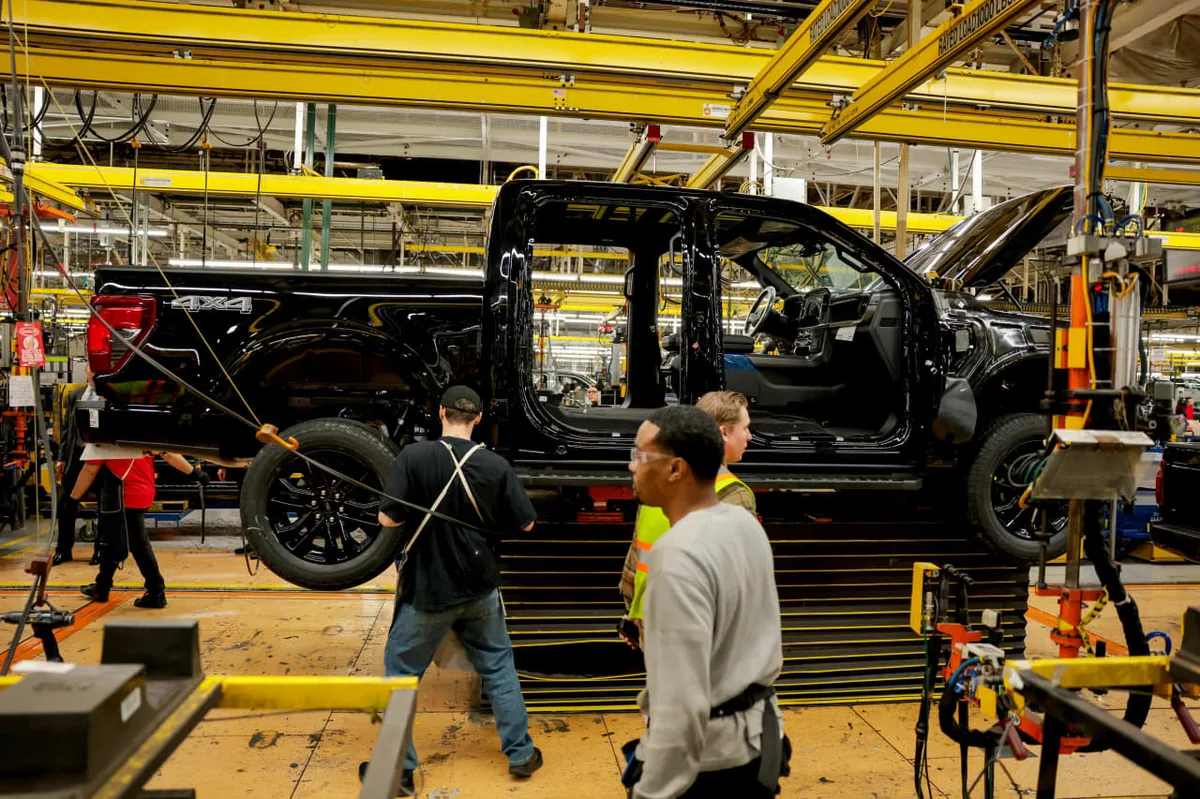
For years, Ford has occupied an uncomfortable position in the automotive investment landscape — a storied American brand that Wall Street has consistently valued less generously than crosstown rival General Motors. That gap in market confidence has frustrated Ford bulls, but the company's sustained focus on high-margin truck models may finally be shifting the narrative.
The logic behind Ford's truck-centric strategy has always been straightforward: full-size pickups and large SUVs carry fatter profit margins than sedans or even many crossovers, and American consumers have demonstrated a durable appetite for them regardless of economic cycles. Executing on that logic, however, requires disciplined production, supply-chain management, and the ability to defend market share against both Detroit competitors and an increasingly capable field of challengers.
Read more Binance Expands Into Gold and Silver Options Trading →
What appears to be changing now is Wall Street's willingness to credit Ford for delivering on that execution. Investor skepticism has historically discounted Ford's earnings potential relative to GM's, partly due to Ford's more turbulent restructuring history and its slower pivot away from less profitable vehicle segments. A turnaround narrative, if it takes hold, would represent a meaningful re-rating opportunity for the stock.
The broader implication for the auto sector is worth watching. If Ford can demonstrate that its truck franchise generates consistent, predictable cash flows, it strengthens the case that legacy automakers can thrive without fully sacrificing their traditional lineups at the altar of EV transition timelines. The tension between near-term combustion-engine profitability and long-term electrification investment remains one of the defining strategic dilemmas across the entire industry.
Whether this moment marks a genuine inflection point or merely a brief reprieve will depend on Ford's ability to sustain momentum amid ongoing macroeconomic uncertainty and shifting consumer demand. Continue reading at MarketWatch.com.